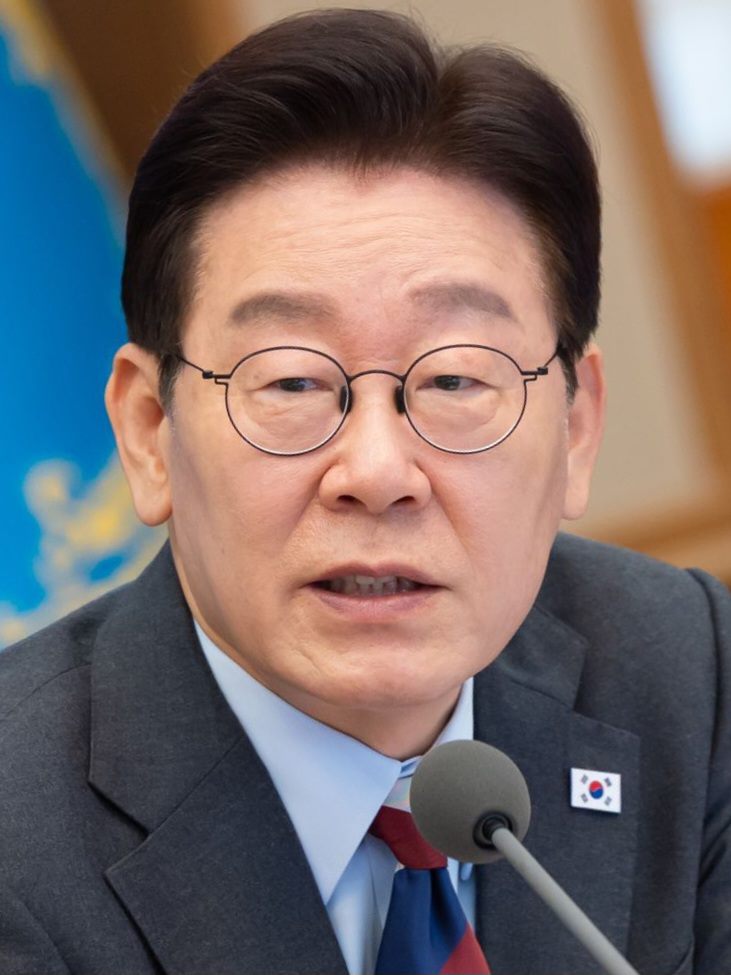
In his address to the 81st General Assembly, President Lee Jae-myung said Seoul would lay the groundwork for stalled US-North Korea talks to resume quickly and develop into dialogue among the parties on ending the Korean War and moving to a peace regime. He also set out a phased approach: halting nuclear and missile advances, then reducing them step by step towards a nuclear-free peninsula.
President Lee Jae-myung delivered a roughly 17-minute address to the general debate of the 81st UN General Assembly in New York on the 22nd, local time. Its centrepiece was a peace regime on the Korean Peninsula.
광고 문의 · 300×250Mr Lee stressed that a peace regime is a core task whose necessity both Koreas and related countries including the United States and China have recognized and discussed. He said Seoul would lay the groundwork for long-stalled US-North Korea dialogue to resume soon and develop into talks among the parties on ending the war and transitioning to a peace regime.
Freeze, Reduce, Eliminate
On the nuclear issue he proposed a phased approach: first freeze nuclear and missile advances, then reduce them in stages, and move towards a nuclear-free peninsula. He also cited the principle that the two Koreas should respect each other's systems.
He said the government would do its utmost, as a party to and pacemaker of peace on the peninsula, to open and sustain the path of dialogue, which is read as Seoul keeping the initiative while acting as a facilitator of US-North Korea talks.
The speech also questioned the role of international institutions. Mr Lee asked whether the UN was truly saving humanity and argued that multilateralism must function in the face of conflict and climate crisis.
Reactions and Tasks
President Trump, speaking the same day, did not mention North Korea, leaving open how much weight Seoul's peace-regime vision will carry among Washington's priorities. Pyongyang has yet to respond.
Who counts as a party to peace-regime talks is a long-standing question: a three-way format of the two Koreas and the United States, or four-way with China, changes the structure of negotiations. Commentators noted that by calling it a task related countries have shared, the speech left room for a Chinese role.