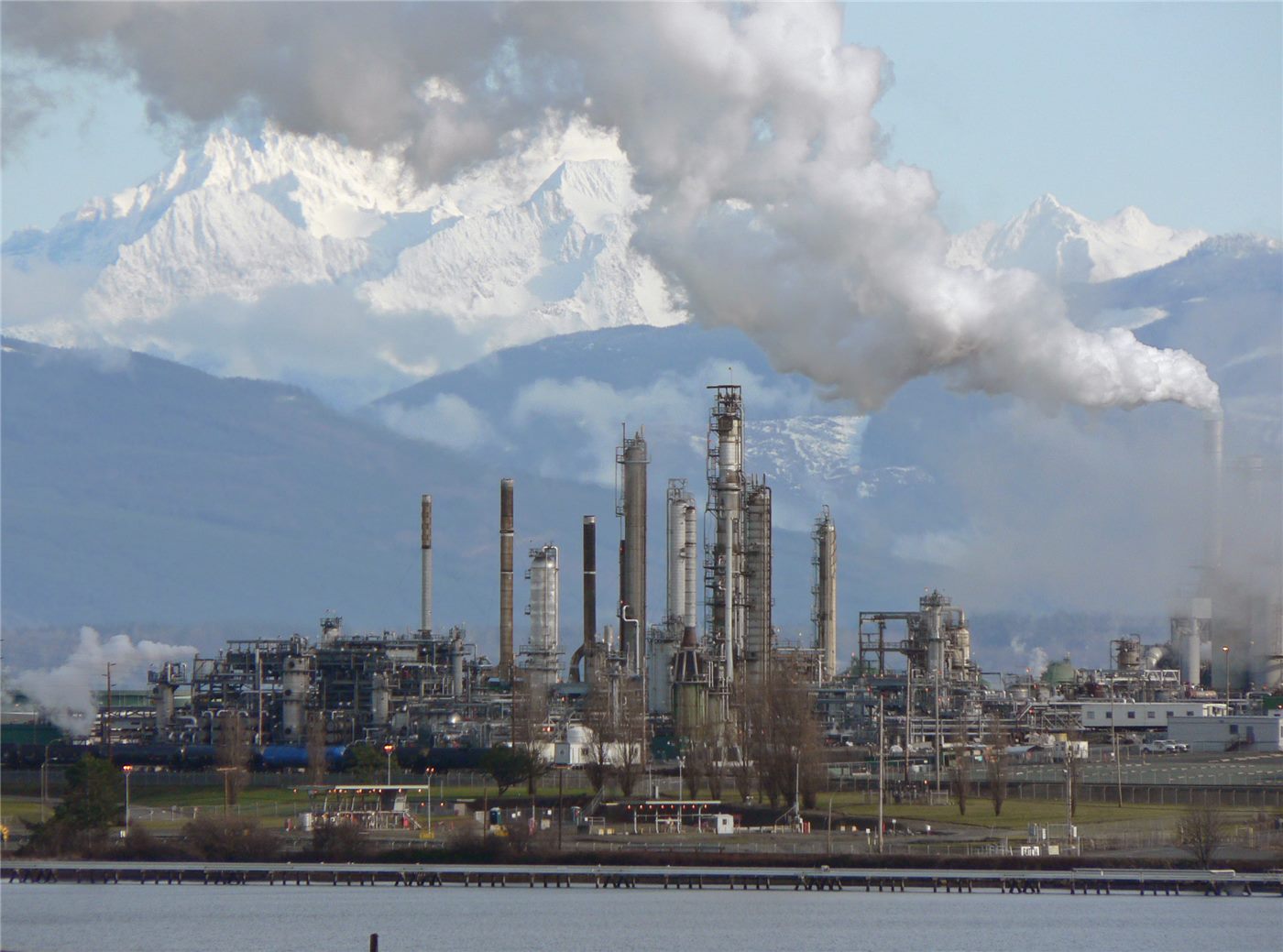
Russian authorities said air defenses intercepted more than 1,600 Ukrainian drones overnight, some 450 of them heading for Moscow. A refinery that supplies a large share of the capital region's fuel was hit and caught fire, in the biggest strike aimed at the capital since the war began.
Russia's defense ministry said about 1,100 Ukrainian drones were shot down over Russian territory, Crimea and the Black Sea between the night of the 20th and the early hours of the 21st. Moscow Mayor Sergei Sobyanin said air defenses downed more than 1,600 drones, of which roughly 450 approached the direction of Moscow.
광고 문의 · 300×250The Gazprom Neft Moscow refinery in Kapotnya, in the city's southeast, was struck and a large fire broke out. The plant is understood to supply about 40 percent of the fuel used in Moscow and the surrounding region. Firefighters worked through the night.
Authorities in the Moscow region said several homes were damaged, two people were killed and six injured. Several airports serving the capital briefly suspended operations and some flights turned back.
What the scale says
Until now, attacks aimed at Moscow have typically been counted in dozens. Hundreds of drones tripping the capital's air defenses in a single night suggests Ukraine's production and deployment capacity has moved to a different order of magnitude.
A single drone costs far less than a cruise missile. Flooding the sky with cheap airframes to drain air-defense stocks, so that a few can slip through to the target, is a tactic both sides have used on each other for two years.
Even taking Russian interception figures at face value, damage cannot be reduced to arithmetic once the few that get through reach large infrastructure such as a refinery. This time the announcement of shoot-downs and the report of a fire arrived together.
A front line that runs into fuel and prices
Ukraine has repeatedly targeted Russian refining and pipeline facilities this year, on the calculation that cutting rear-area refining capacity bears on the cost of waging war more directly than shelling at the front.
When refining capacity falls, it is Russia's domestic gasoline and diesel supply that wobbles first. Crude exports themselves continue, so analysts generally expect upward pressure on global oil prices to be psychological rather than a physical supply shock. The fallout from this fire is likely to be observed within that range.
Asian markets are not bystanders. South Korea and Taiwan import nearly all of their crude, and China is among the largest buyers of Russian oil. A scene from the front is transmitted to East Asian households through refining margins and jet fuel prices.
A third view: facts side by side
Moscow is expected to frame the attack as terrorism against civilian infrastructure and to promise retaliation. Kyiv has consistently argued that military-industrial and energy facilities sustaining the war effort are legitimate targets. Parts of Europe weigh the risk of escalation first; Washington looks at leverage in negotiations.
This paper does not adopt either framing wholesale. What is confirmed is limited to the intercept counts, the fire and the casualties as announced by the two sides and local authorities, and even those announcements face verification limits in wartime. We set the facts side by side and leave the judgment to readers.