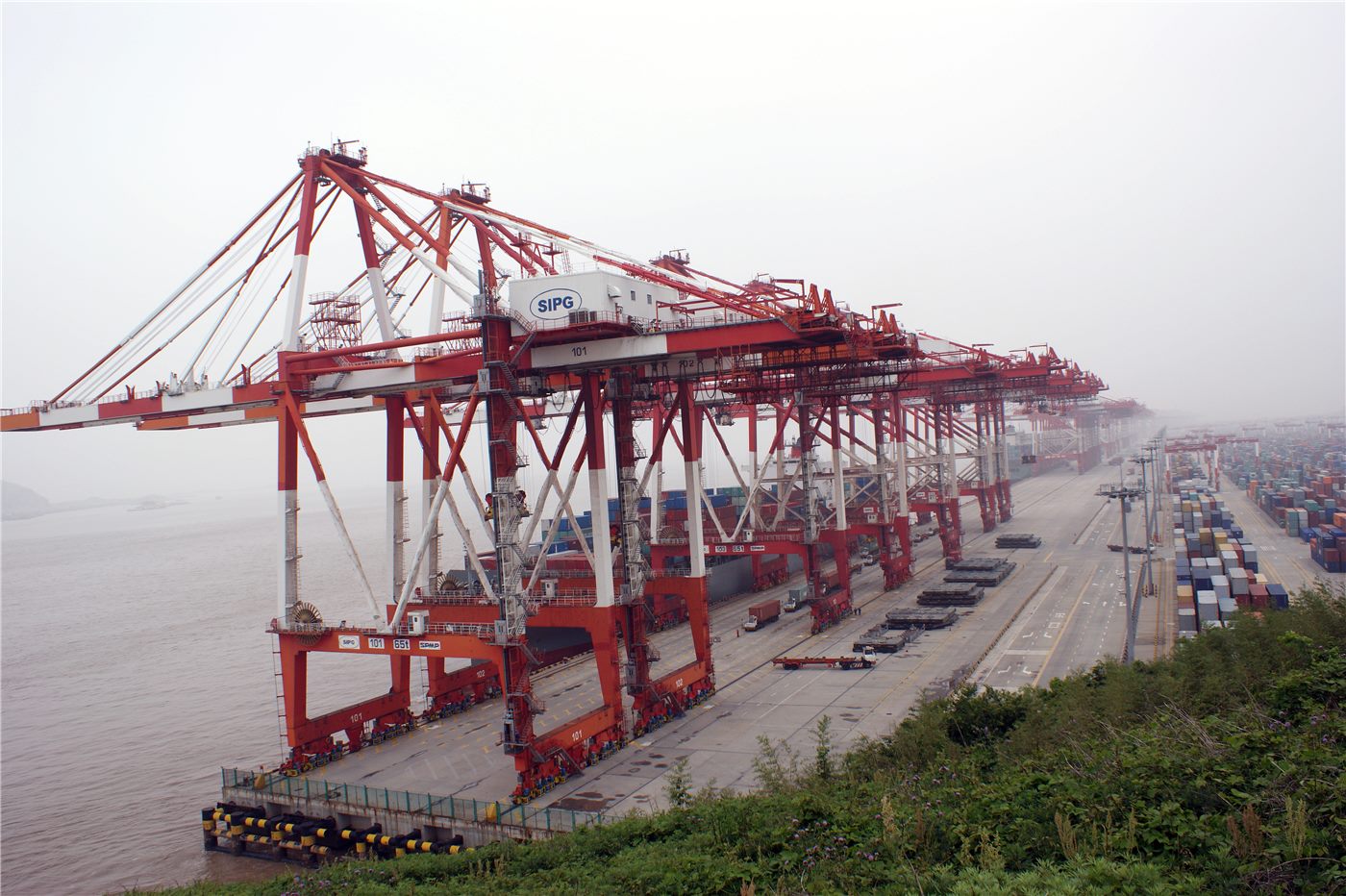
China said the two countries will hold a new round of economic and trade consultations. With the possibility of a leaders' meeting in the background, whether some tariffs will be adjusted has become a focus for markets.
The agenda is expected to cover the scope of tariffs, purchases of agricultural goods and energy, export controls and corporate sanctions lists, and investment screening procedures. Working-level negotiations typically proceed in several rounds.
광고 문의 · 300×250Taiwanese media reported that some tariffs could be eased if a summit takes place, while noting that U.S. export controls on advanced technology items are unlikely to be loosened.
Beijing has framed mutual respect and reciprocity as its principles, demanding the withdrawal of unilateral measures while remaining open to dialogue. Washington has emphasized reducing the trade imbalance and addressing industrial subsidies.
Korean and Taiwanese firms face a two-sided calculation. Lower tariffs would change the terms for intermediate goods exports and rerouted production, while continued technology controls would leave constraints on equipment and materials supply chains intact.
Outcomes are hard to predict. Experience suggests, however, that simply setting a date for talks has tended to reduce market uncertainty in the short run.