Special envoy Steve Witkoff and senior adviser Jared Kushner are reported to depart on the 5th, meet Russian President Vladimir Putin at the Kremlin on the 6th, and meet Ukrainian President Volodymyr Zelensky in Kyiv on the 7th. It is their first visit to Kyiv since President Trump returned to office. The gaps over territory and NATO membership remain wide.
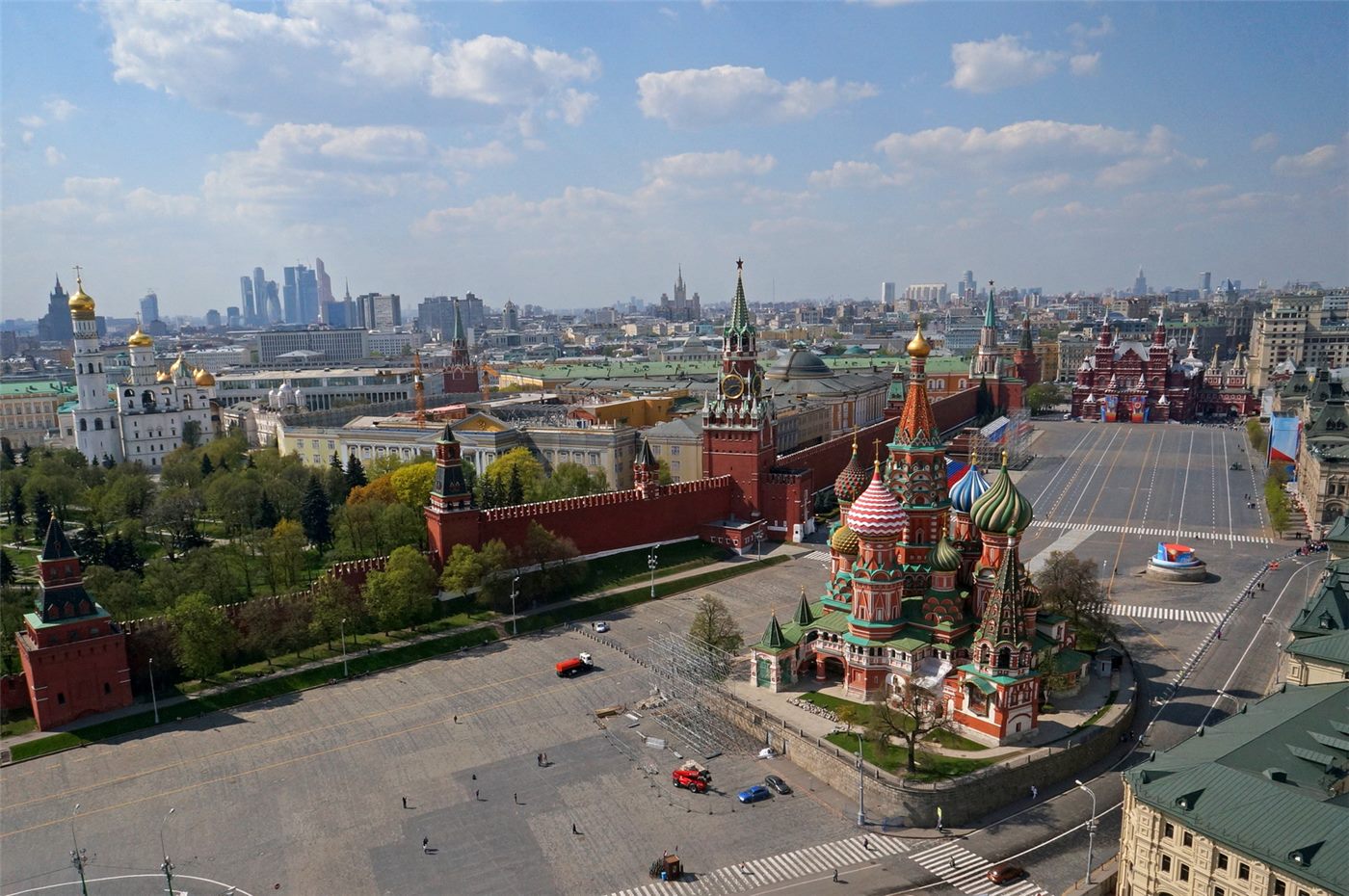
CNN and Axios reported on the 4th, local time, that Middle East envoy Steve Witkoff and senior adviser Jared Kushner will travel to Moscow and Kyiv in succession this weekend. They are said to depart on the 5th, hold talks with President Putin at the Kremlin on the 6th, and move on to Kyiv to meet President Zelensky on the 7th.
광고 문의 · 300×250It is the first time the two envoys will visit Kyiv in person since President Trump returned to the White House. Their contacts had been concentrated in Moscow and third countries, with working-level talks with the Ukrainian side mostly held in European cities. That Kyiv appears on the itinerary at all is read as a measure of the effort's weight.
Three gaps that have not narrowed
The obstacles fall into three groups. The first is territory. Russia has demanded Ukraine relinquish the entirety of four regions it declared annexed. Ukraine holds that signing away land beyond the actual line of control is indistinguishable from surrender.
The second is security guarantees. Ukraine wants binding assurances against renewed invasion after any ceasefire, while Russia treats abandoning NATO membership as a precondition. The third is verification. With a front line exceeding a thousand kilometres, there is no agreement on who would monitor a ceasefire, or how.
Ukrainian officials have been openly sceptical of President Putin's intentions. Even amid negotiations, Russian missile and drone attacks have continued against cities including Kyiv, and Kyiv has cited intelligence assessments suggesting a large offensive is being prepared.
Why now
Several factors explain the timing. Debate over aid budgets recurs in the United States, and in Europe calls for an early end to the war have grown louder on grounds of fiscal strain and energy prices. On the Russian side, analysts point to the accumulating economic cost of a long war.
Such pressure does not guarantee agreement. Over the past eighteen months there have been repeated envoy visits and phone calls, each followed by statements of 'progress' that never produced a documented result.
President Putin recently said that with help from the United States and China, Russia and Ukraine have a chance of reaching a peace agreement, according to Taiwan's United Daily News and others. Placing China within the mediating framework is both a condition that raises the threshold and a signal of widening the negotiating stage.
Where it reaches Asia
The outcome touches Asian markets directly. Energy prices are the first channel. Rising expectations of a ceasefire push oil and gas prices down, an immediate cushion for economies such as Korea, China and Taiwan that import most of their energy.
The second channel is reconstruction demand. If fighting stops, large orders are expected in construction, heavy equipment and power plant sectors, and Korean and Chinese firms have already been studying them. Yet without clarity on the scope and pace of sanctions relief, little converts into contracts.
The third is diplomatic knock-on. If US-Russia relations are recalibrated over Ukraine, the shape of East Asian security discussion is affected with a lag, and calculations around the Korean Peninsula and the Taiwan Strait sit inside that.
A third view: a visit is not a result
This paper treats the itinerary as procedure rather than achievement. Two envoys visiting two capitals within two days signals that negotiation is alive, but being alive and being concluded are different matters. What matters more than the temperature of the statements is whether any clause was actually agreed.
Readers should watch three things: what language Russia and Ukraine each use after the talks, whether the intensity of attacks genuinely changes, and whether a date is set for the next meeting. Talks that end without a date have usually been another name for breakdown.