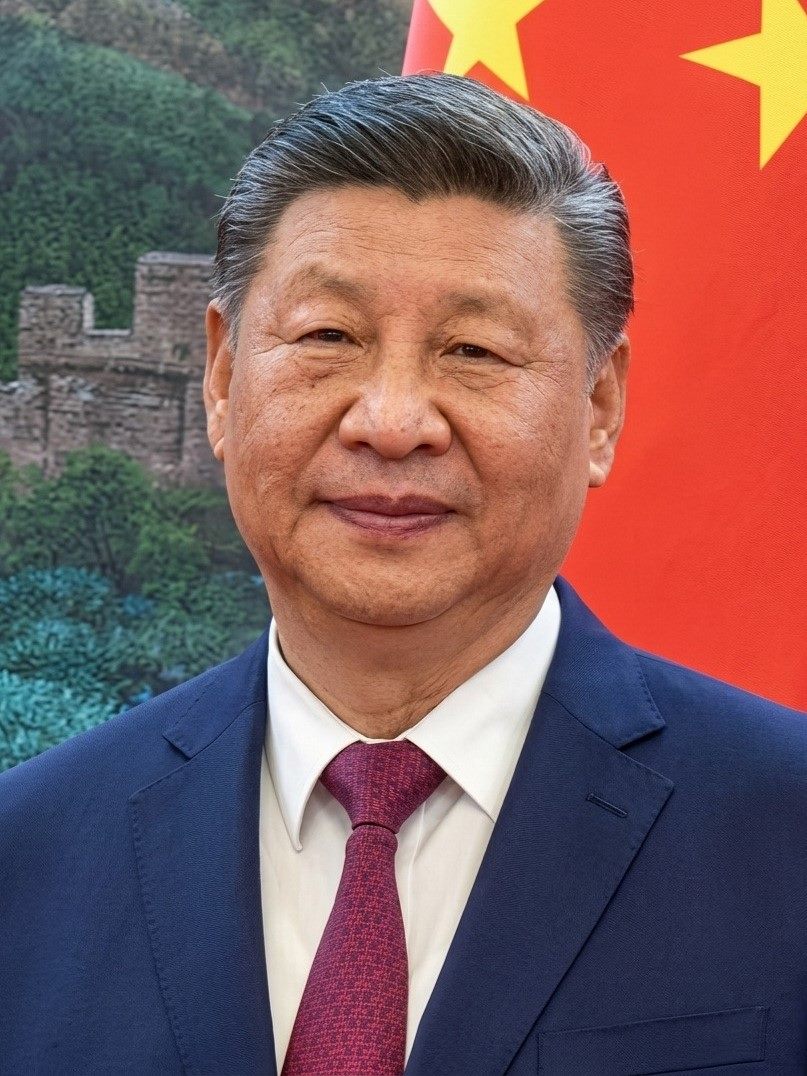
The Shanghai Cooperation Organisation summit opened in Bishkek, Kyrgyzstan, marking the bloc's 25th anniversary. China's Xi Jinping, Russia's Vladimir Putin and India's Narendra Modi are among those attending; the main heads-of-state session and adoption of a Bishkek Declaration are set for Sept. 1.
The 2026 Shanghai Cooperation Organisation summit moved into its substantive phase in Bishkek on Aug. 31. The three-day gathering, running from Aug. 30 to Sept. 1, marks 25 years since the bloc's founding.
광고 문의 · 300×250Chinese President Xi Jinping arrived at Bishkek's Manas International Airport on the afternoon of Aug. 30 and was met at the airport by Kyrgyz President Sadyr Japarov. Alongside the summit, Xi is conducting a state visit to Kyrgyzstan.
Who is there, and when
Taken together, announcements from the host and participating governments point to roughly a dozen heads of state in Bishkek. Putin, Modi, Pakistani Prime Minister Shehbaz Sharif and Iranian President Masoud Pezeshkian are among them.
The Council of Heads of State session, where leaders deliver formal remarks and adopt a joint declaration, is scheduled for Sept. 1. Organisers say the outcome document will be titled the Bishkek Declaration.
Twenty-five years
The SCO was founded in Shanghai in 2001 with six members. Its predecessor was the Shanghai Five, a mechanism for border confidence-building and troop reductions; membership later expanded, widening the bloc across Central and South Asia.
The agenda shifted over those years. Commentary ahead of this summit converges on one observation: the centre of gravity has moved from border and security cooperation toward trade and investment, transport links and energy.
On the table
Regional security, area conflicts and economic connectivity are the announced themes. Transport and logistics corridors, trade settlement and energy cooperation are flagged as the principal economic items.
Bilateral meetings on the margins are also expected. Putin is reported to be holding separate talks with Xi, Modi and Pezeshkian, among others. What comes of each meeting can only be confirmed after the summit closes.
Settled and unsettled
What can be verified now is the venue and schedule, the roster of attending leaders, and the name of the outcome document. What language the declaration will carry, and whether new cooperation projects will be announced, has not been made public.
Pre-summit assessments rest largely on host and participant announcements. This paper refrains from predicting outcomes before the meeting ends.
What it means for Chinese-heritage communities in Korea
Discussion of Central Asian logistics corridors reaches, indirectly, the entrepot trade that runs through Korea. For Chinese-heritage traders in Incheon and Seoul handling China and Central Asia business, changes to customs handling and shipping routes are a practical concern.
Summit declarations rarely translate directly into customs procedure. Actual change tends to appear later, in working-level agreements and national implementing rules.
A third perspective: how to read 25 years
A multilateral summit is less a conclusion than a scene in which each government's priorities become visible. Some emphasise security; others foreground trade settlement and transport. The more participants, the broader the communique's sentences and the thinner their binding force — a general tendency of multilateral diplomacy.
This paper does not read the meeting as a win or loss for any camp. The more useful approach is to check, in the documents, what a bloc that has grown for 25 years can agree on and where it cannot. The material for that judgment will be the full text released on Sept. 1.