The Legislative Yuan approved a special statute on Aug. 27 to strengthen defense self-reliance and build an unmanned systems industry. Funding runs at NT$40 billion a year for six years, NT$240 billion in total. The vote was 60 to 50.
Taiwan's Legislative Yuan gave third reading on Aug. 27 to the Act for Strengthening Defense Self-Reliance and Developing the Unmanned Vehicle Industry. Funding is set at NT$40 billion annually over six years — NT$240 billion in principle, with room to add if needed. The measure passed 60 votes to 50.
광고 문의 · 300×250Money will come through the annual budget rather than a separate special budget. The Executive Yuan had pressed for a special budget and opposition parties for annual appropriations; the annual route prevailed.
Sorting out who is in charge
The Ministry of Economic Affairs is the competent authority, while matters involving defense and military procurement fall to the Ministry of National Defense — a split that follows from packing industrial policy and arms buying into one statute.
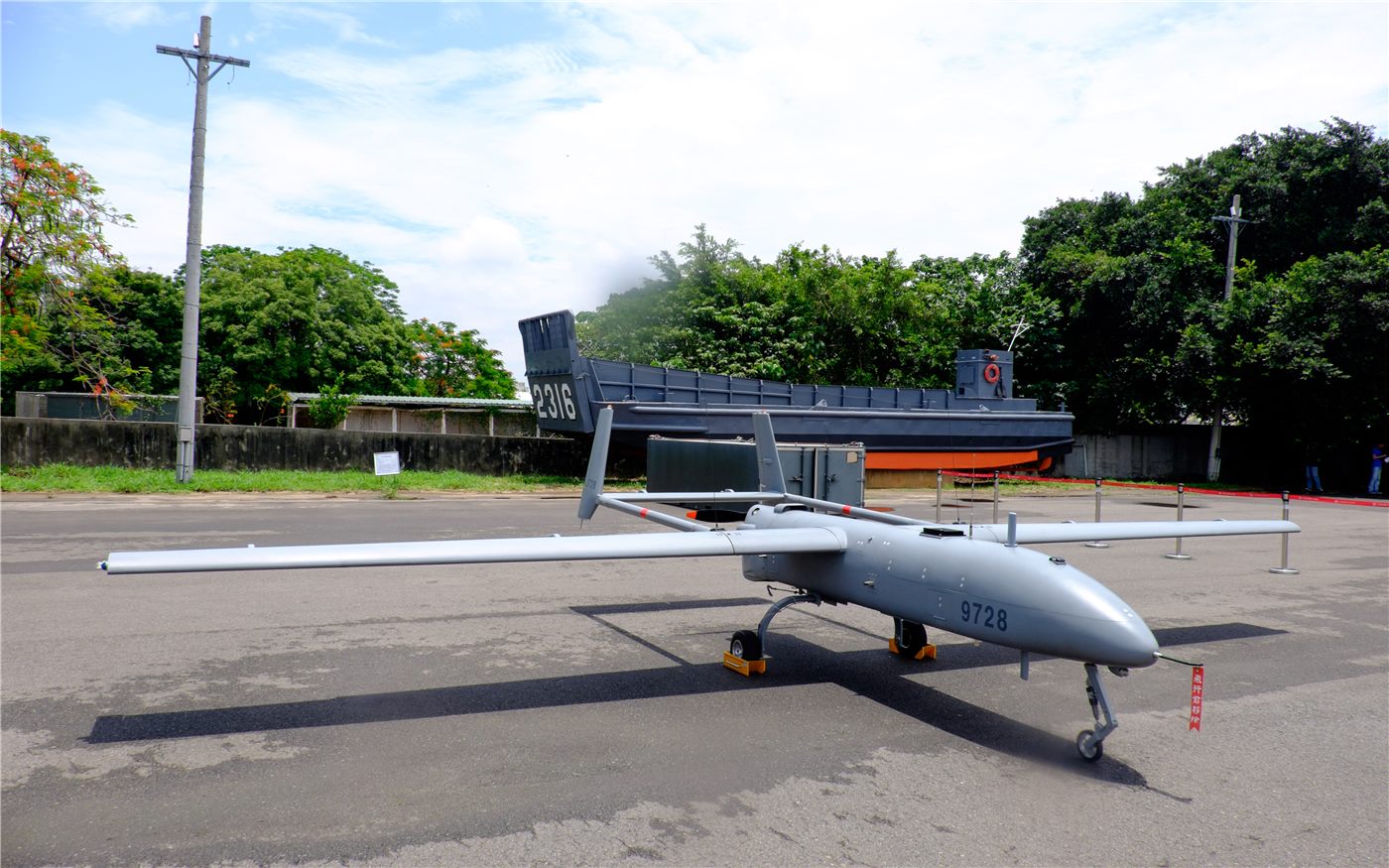
The act directs the defense ministry to give priority to Taiwan-made low-cost, high-performance unmanned systems and to integrate them into training. Three categories are named: littoral surveillance drones, littoral attack drones and small one-way attack unmanned boats.
From the industry side
Taiwan's drone sector is generally described as having the component supply chain but thin volume production. Industry hopes six years of assured demand will give parts and software firms room to invest in capacity.
Others note that annual appropriations leave actual spending exposed to shifts in government and legislature. There is also concern that frequently changing procurement specifications would be hard for smaller manufacturers to absorb.
The regional picture
Unmanned systems have climbed rapidly up defense plans everywhere in recent years. How large numbers of cheap platforms combine with traditional big-ticket systems remains an open question in every country weighing it.
Korea and Japan are working through comparable debates, and Taiwan's statute may be cited as a reference for its procurement design and budget structure.