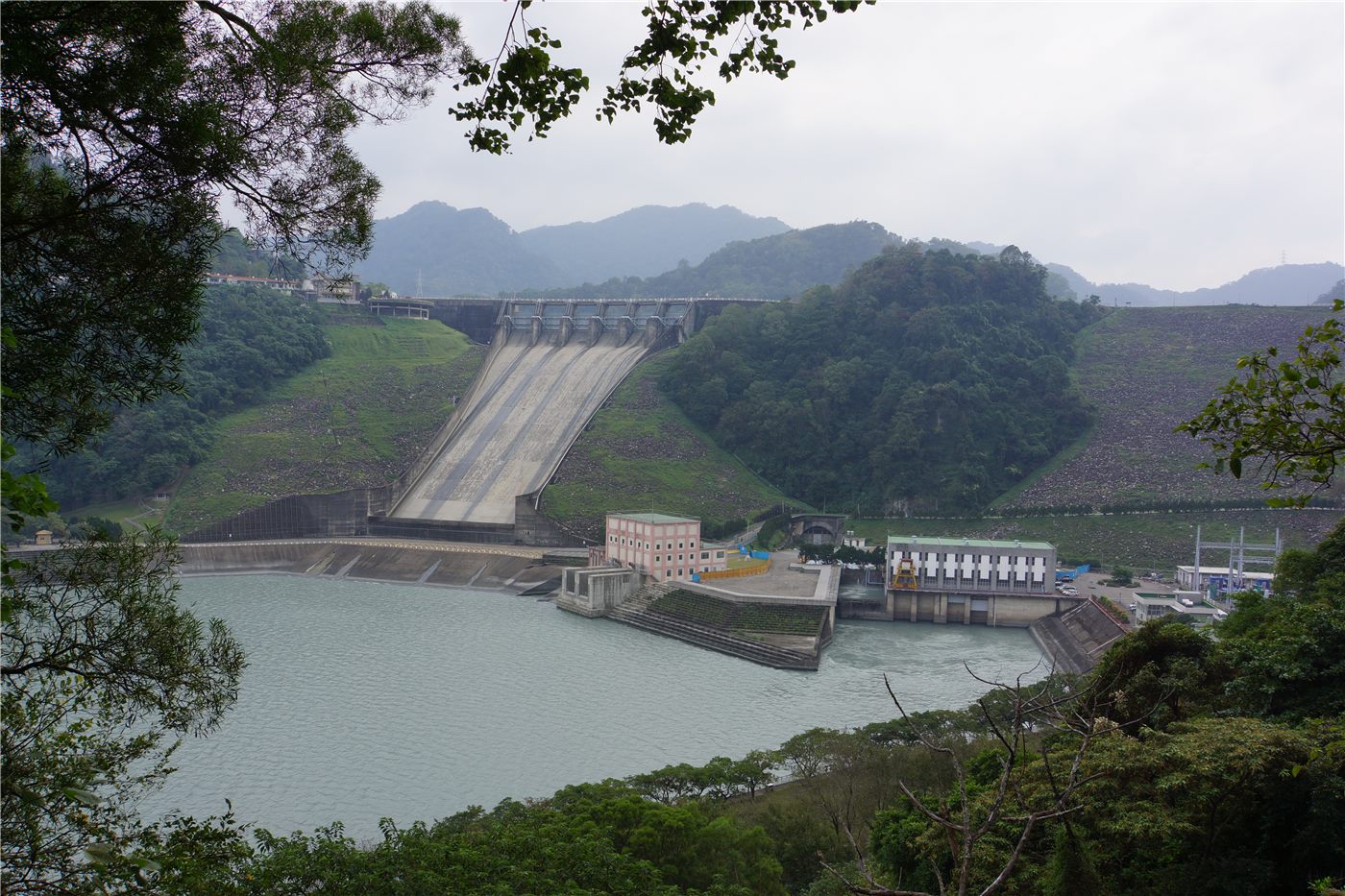
The climate and environment ministry pared a 14-dam plan inherited from the previous government down to five projects, halting seven and converting two into alternative schemes. Costs fall by more than 3 trillion won as policy shifts from building to selective building.
The government said on Aug. 27 it would proceed with five new dams: Jicheon in Cheongyang-Buyeo, Amicheon in Yeoncheon, Byeongyeongcheon in Gangjin, Hoeyagang in Ulsan and Gohyeoncheon in Geoje. Of the 14 candidate sites previously listed, seven are dropped, while Gamcheon in Gimcheon and Garyecheon in Uiryeong shift to alternatives such as making better use of existing dams and river improvement works.
광고 문의 · 300×250Total project cost falls from roughly 4.75 trillion won to about 1.67 trillion, a reduction of more than 3 trillion. The ministry said sites were selected with a focus on reducing flood damage from extreme rainfall.
Why Jicheon survived
The Jicheon dam, which drew the fiercest local opposition, was confirmed. The deciding factor was surging industrial and municipal water demand from large industrial complexes now planned in the Chungcheong region. The government will build it as a multipurpose dam supplying 180,000 tons of water a day alongside flood control.
Because the decision rests on projected demand, some questioned locking in a dam before the scale of associated plant investment is fixed. The ministry says it will publish demand forecasts and supply plans in stages.
What comes next
The five projects now move through basic planning, feasibility study and environmental impact assessment. Places that have long sought a dam, such as Yeoncheon, welcomed the news, but debate over compensation for residents in areas to be submerged and over ecological damage is expected to continue.
Dam policy is where flood defense, water supply and conservation collide. Depending on which is weighted, the same data can support different conclusions — which makes reading the documents released at each stage worthwhile.