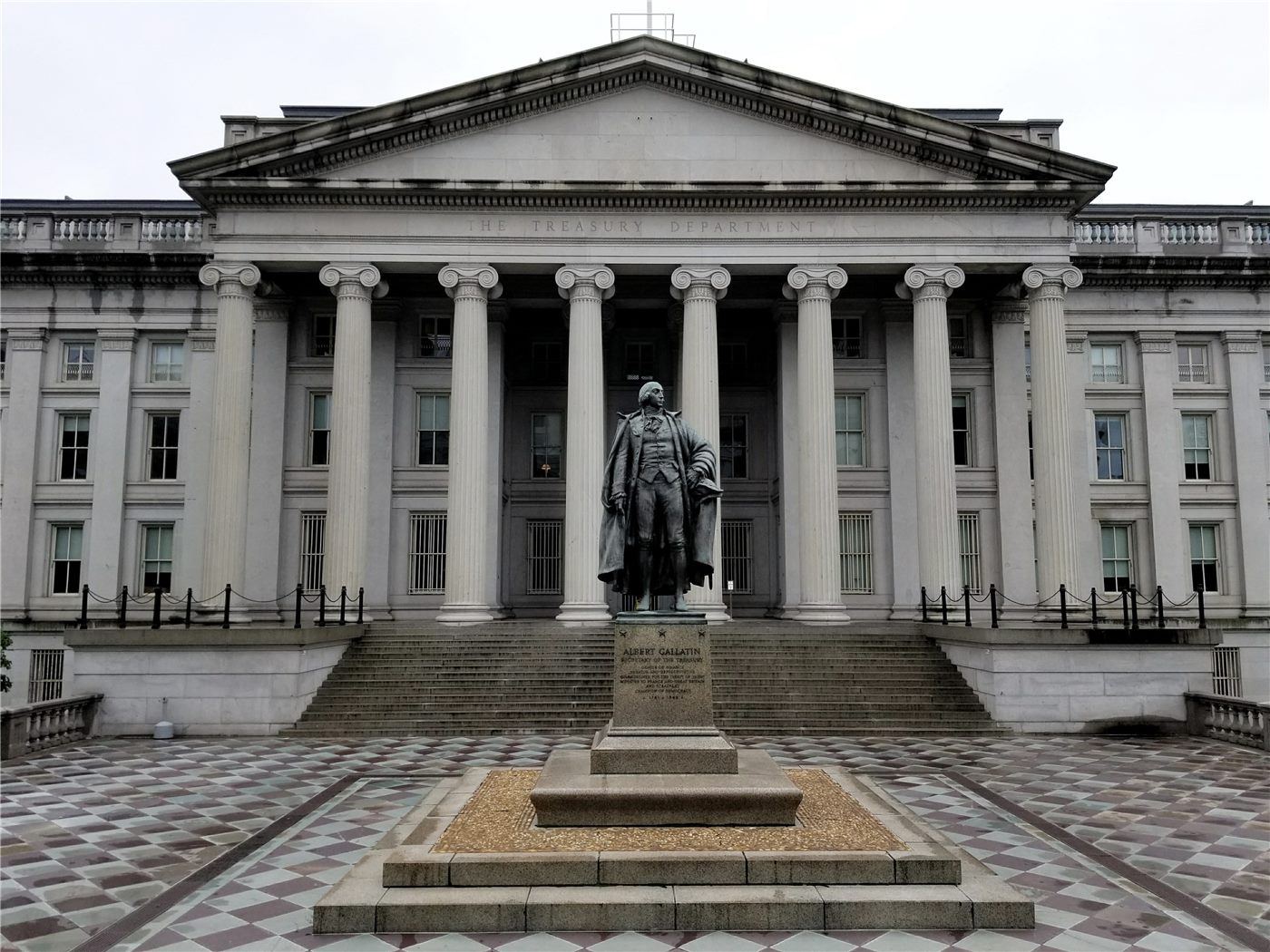
Analysts increasingly point to demand for capital from artificial intelligence investment, rather than inflation, as the force behind rising U.S. Treasury yields. Large-scale financing for data centres and power infrastructure is reshaping supply and demand in bond markets.
A growing body of analysis argues that the reason U.S. Treasury yields are rising has more to do with the supply of and demand for capital than with prices, as the sums required for AI-related capital expenditure climb sharply.
광고 문의 · 300×250The mechanism runs as follows. When capital spending on data centres, power supply infrastructure and chip fabrication rises at once, companies issue more corporate debt. As supply crowds the bond market, Treasuries and corporates compete for the same pool of money, and the general level of yields is pushed higher.
Treasury issuance itself sits on top of that. With deficits persisting, continued new supply raises the yield buyers demand. Together, the two can lift long-term rates even while inflation indicators are steady.
The distinction matters because the policy response differs. If prices are driving yields, monetary policy is the instrument; if capital demand is, rate cuts alone will not change direction.
Equity markets show the opposite face. The scale of AI capital spending supports demand within that industry, while higher yields lower the present value of future cash flows. The same news works in opposite directions across sectors.
Semiconductor and power-equipment companies in Korea and Taiwan sit on the demand side of this flow. But as funding rates rise, their own investment costs rise too — orders and financing costs increasing at once.
The direction of long-term yields is set jointly by the fiscal calendar, capital spending plans and monetary policy. The market's general read is that this is a stretch where no single one of them settles the question.