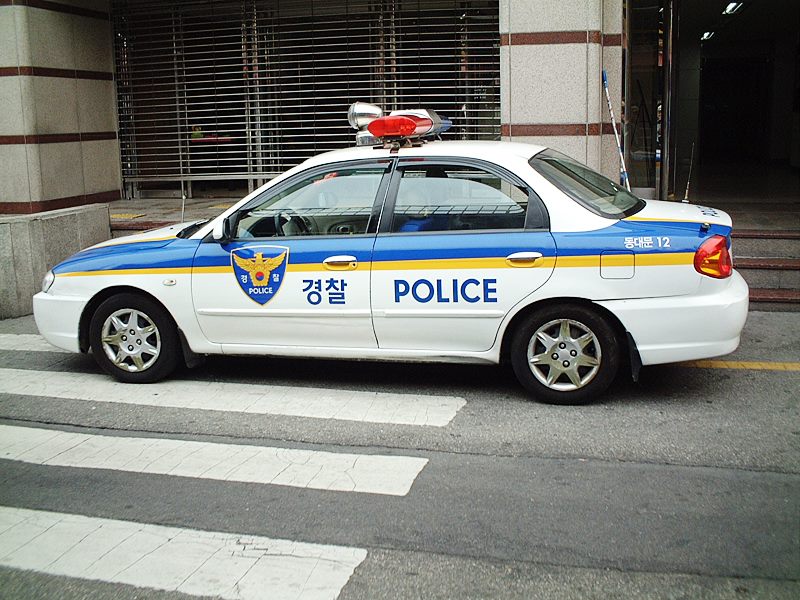
President Lee Jae-myung approved the appointment of Kim Jong-cheol as National Police Commissioner on the 20th, two days after the National Assembly adopted its hearing report. The acting leadership in place since the martial law crisis comes to an end.
President Lee Jae-myung approved the appointment of Kim Jong-cheol as Commissioner General of the Korean National Police Agency on November 20. According to the Segye Ilbo and News1, presidential spokesperson Kang Yu-jung announced the decision in a notice that day. The National Assembly’s Public Administration and Security Committee held Kim’s confirmation hearing on the 18th and adopted the hearing report by bipartisan agreement. Kim thus becomes the first police chief of the Lee administration.
광고 문의 · 300×250The post had been effectively vacant for about one year and 11 months since former commissioner Cho Ji-ho was impeached and suspended in December 2024 over his role in the December 3 martial law declaration. Cho was later removed by the Constitutional Court, and the police have been run by acting heads in the meantime. With major issues such as reorganization under the revised Criminal Procedure Act piling up, concern had grown over the prolonged gap in command.
Neutrality and property at the hearing
The hearing report recorded both favorable and unfavorable views. According to the Segye Ilbo, the Democratic Party judged him fit, while the People Power Party did not state a position and instead listed the problems raised during the hearing. The opposition pressed him on political neutrality and possible erosion of police independence, while the ruling party called for stronger professional expertise. His occupancy right in a redevelopment zone in Seongnam, Gyeonggi Province, also drew scrutiny, and Kim pledged to sell it as soon as possible.
According to the Kyunghyang Shinmun, Kim hails from Hamyang, South Gyeongsang Province, and joined the police in 1997 through the officer candidate program. He has served as head of the South Gyeongsang Provincial Police Agency and of the Seoul police’s community safety and traffic division, and is regarded as a security intelligence specialist. He was promoted to Police Superintendent General in September, became deputy commissioner and served about two months as acting chief. He also worked in the presidential situation room under the Moon Jae-in government and was seconded to the National Planning Committee early in the Lee administration.
The commissioner holds vice-ministerial rank and is appointed by the president after consent from the National Police Commission, a recommendation by the interior minister and review by the prime minister. Kim faces the tasks of restoring trust in a force shaken by the martial law episode and settling the criminal justice system reshaped by the redistribution of investigative powers. How he answers the opposition’s concerns about neutrality will also be watched. Public safety policy in areas with large foreign populations is another point of interest for the overseas Chinese community.