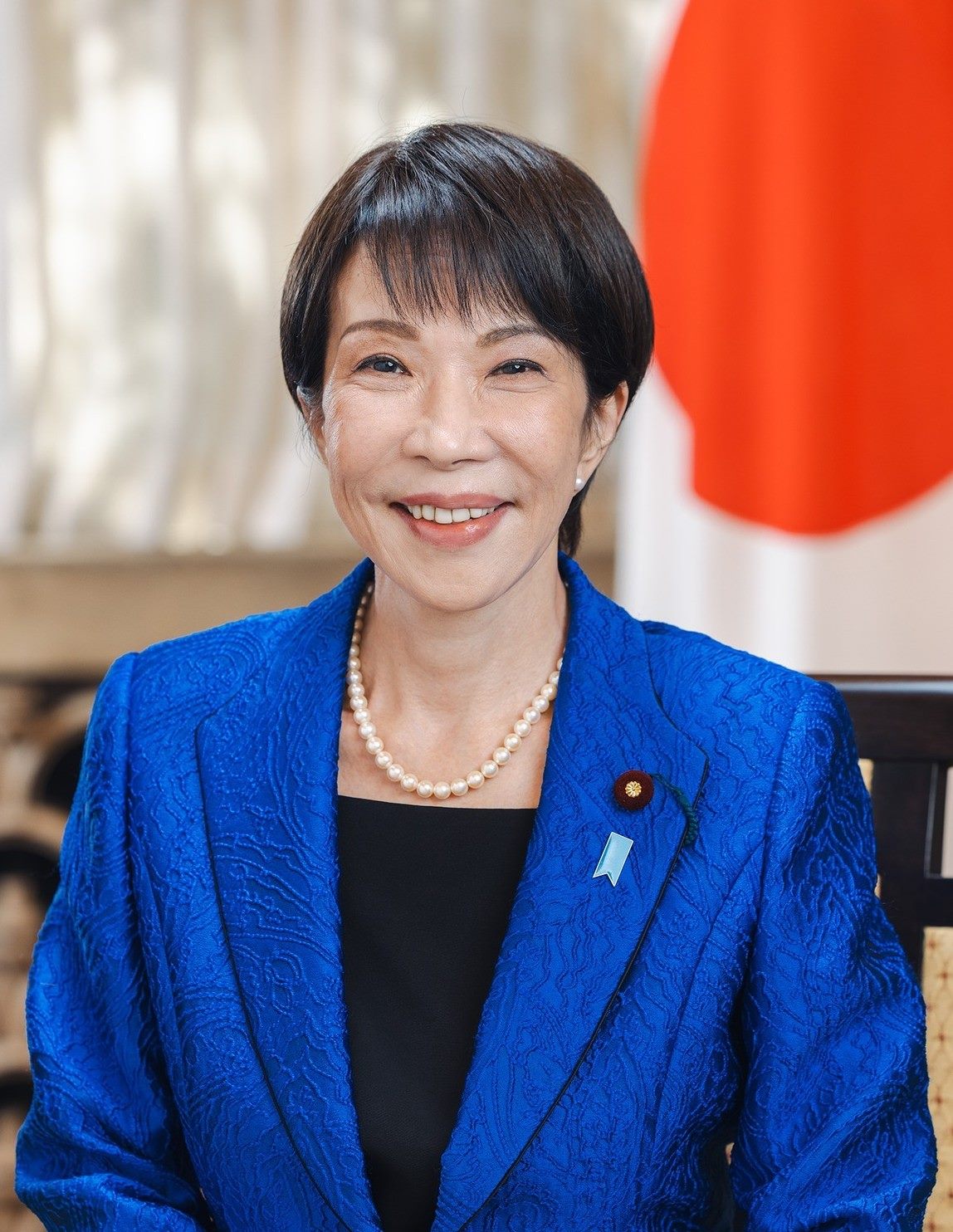
U.S. President Donald Trump personally briefed Japanese Prime Minister Sanae Takaichi on the outcome of the U.S.-China-Russia summit in Shenzhen. After the call, Takaichi said Japan's position on the International Criminal Court differs from Washington's.
According to the United Daily News, Jiji Press and nippon.com, Takaichi and Trump spoke by phone on the night of Nov. 19. Trump directly briefed Takaichi on the results of the series of summits held in Shenzhen, China. The two leaders also discussed the situation in the Asia-Pacific and Ukraine, though details were not disclosed.
광고 문의 · 300×250The call had been under consideration by the Japanese government before the summit. Officials had said Takaichi expected to be briefed on the outcome after the trilateral meeting and that the two leaders would reaffirm cooperation. A similar call took place after Trump's bilateral summit with Chinese President Xi Jinping in September.
Takaichi: 'Japan supports the ICC' — distancing Tokyo from a summit view
Speaking to reporters in Tokyo after the call, Takaichi said: 'Our country supports the ICC, so the positions of Japan and the United States are different.' The remark was seen as a response to a view shared at the U.S.-China-Russia summit that the ICC must not abuse its authority. In effect, Tokyo spelled out its own principles on international judicial bodies even after a call meant to affirm alliance unity.
Nippon.com described the trilateral summit as unprecedented, and the Shenzhen meeting was also the third U.S.-China summit of the year. As Washington widens direct dialogue with Beijing and Moscow, Tokyo faces the task of confirming the strength of the U.S.-Japan alliance while clearly stating its own position on international norms.
The United States, China, Russia and Japan all have a direct stake in East Asian security and economics, so the course of great-power summitry could also affect the Korean Peninsula and the Taiwan Strait. The trilateral summit widened channels of communication among the major powers, while for neighbouring countries it has become more important to confirm the results through alliance channels and make their own positions heard. Attention now turns to how the two allies coordinate in follow-up talks.