Chinese President Xi Jinping chaired the 33rd APEC Economic Leaders’ Meeting in Shenzhen on Nov. 19, setting out four principles and four pillars for an Asia-Pacific community. Leaders unanimously adopted the 2026 APEC Leaders’ Declaration, and Vietnam takes over as host next year.
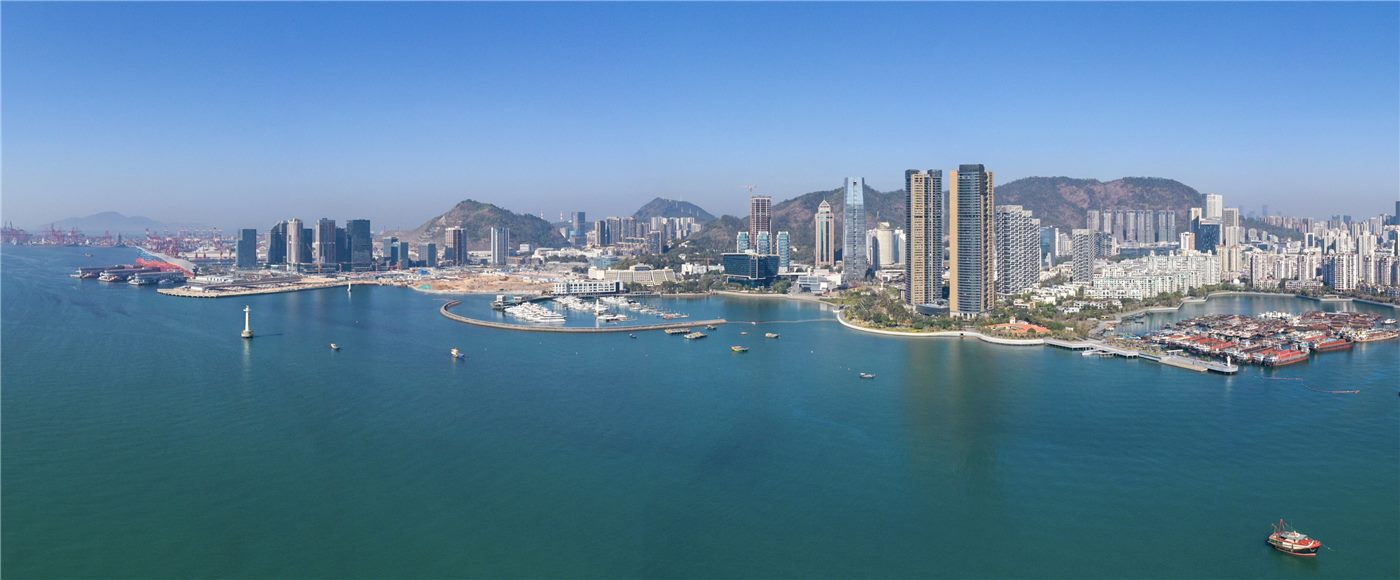
According to Xinhua and China’s Foreign Ministry, President Xi Jinping chaired the 33rd APEC Economic Leaders’ Meeting on the morning of Nov. 19 at the Shenzhen International Exchange Center in Guangdong. This year’s theme is “Building an Asia-Pacific Community to Prosper Together.” Xi delivered a speech titled “Building an Asia-Pacific Community and Writing a New Chapter of the ‘Asia-Pacific Miracle.’” It was the formal session of member economies’ leaders, separate from his keynote at the APEC CEO Summit the day before.
광고 문의 · 300×250Xi said that over more than 30 years since APEC’s founding, regional cooperation has produced an “Asia-Pacific miracle.” Facing a new international situation, he said, Asia-Pacific cooperation must adapt to change and take new steps. He proposed four principles for building the community: solidarity in meeting challenges, openness and connectivity, pioneering innovation, and inclusive development. The aim, he said, is to strengthen bonds of shared interest and foster a sense of community.
Four pillars: trade, connectivity, innovation and development
Xi also laid out four pillars for the community. On trade, he called for steadily advancing the Free Trade Area of the Asia-Pacific (FTAAP) and reducing barriers through trade and investment facilitation and digitalization. On connectivity, he proposed advancing “hard connectivity” in infrastructure, “soft connectivity” in policy and regulatory coordination, and “people-to-people connectivity” through exchanges. On innovation, he stressed digital infrastructure, data governance, the application of artificial intelligence and cross-border data flows.
The development pillar covers capacity building, energy and food security cooperation, tackling cross-border corruption, green and low-carbon cooperation, better livelihoods and talent exchanges. China announced $20 million to fund practical APEC cooperation and said it would set up an Asia-Pacific Community Research Center in Shenzhen. It also pledged cooperation bodies in digital technology, cross-border data flows, clean energy and small and medium-sized enterprises. IMF Managing Director Kristalina Georgieva was invited to brief leaders on the global economy.
‘Shenzhen Vision’ and declaration adopted; Vietnam hosts next
The meeting unanimously adopted the 2026 APEC Leaders’ Declaration. It also put forward a “Shenzhen Vision” for building the Asia-Pacific community and approved outcome documents on trade, connectivity and innovation. In closing remarks, Xi urged members to turn consensus into action, hold to the overall direction and deliver tangible results. Chinese media reported that participants praised the outcomes of China’s APEC host year.
Differences among member economies remain, however. Some members, including the United States, emphasize supply-chain security and controls on advanced technology, while China has stressed openness and defense of the multilateral trading system. Observers say turning the FTAAP vision into actual negotiations will depend on reconciling these interests. The unanimous adoption of the declaration can be read as confirmation of a baseline consensus.
Vietnam will host APEC in 2027, and Vietnamese President To Lam invited leaders to next year’s meeting. For South Korea and other regional economies, talks on Asia-Pacific trade and digital rules bear directly on exports and supply chains. For ethnic Chinese business people working in Korea-China trade and investment, follow-up steps on data flows and SME cooperation are also worth watching.