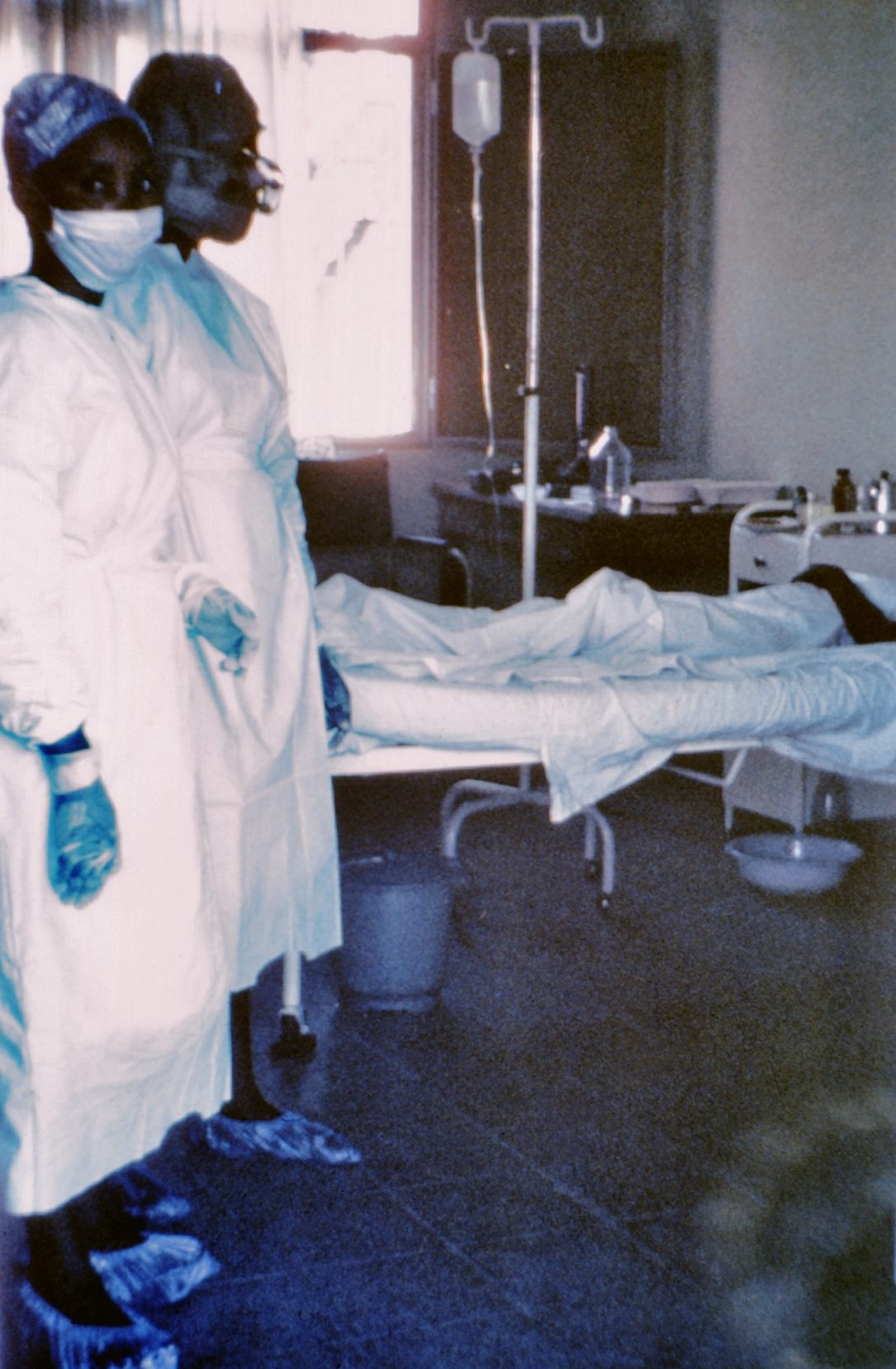
Africa CDC warned that the Ebola outbreak in the Democratic Republic of Congo remains out of control six months after it was declared. It is driven by the Bundibugyo strain, for which there is no vaccine or treatment, and is the second-largest Ebola outbreak on record.
According to Al Jazeera, government data show more than 11,200 cases and 5,500 deaths since the outbreak was declared on 15 May. It is the second-largest and second-deadliest Ebola outbreak recorded, behind the 2014–2016 West African epidemic. Eight of the DRC’s 26 provinces are affected, and cases have been reported in East, Central and West Africa, the widest geographic spread of any Ebola outbreak on the continent.
광고 문의 · 300×250The outbreak is caused by the rare Bundibugyo strain, which kills about half of those infected. No vaccine or treatment has been developed specifically for it. The World Health Organization has approved clinical trials of two new Ebola vaccines, with results expected in early 2027, and says at least 3,000 people have recovered and returned home.
Africa CDC Director-General Jean Kaseya said more than 80 percent of new cases emerge outside known contact lists and over 65 percent of deaths occur in the community rather than in health facilities. ‘If we don’t stop this outbreak now, it would be the worst Ebola outbreak that the world will have,’ he warned, calling coordination between the DRC and donors ‘a collective failure.’ AllAfrica reported that Kaseya cited insecurity, attacks on health workers and staff shortages, and warned of spread to the Central African Republic and South Sudan.
Funding is a major gap. Of the $2.9 billion pledged by donors, only $1.3 billion has been released. Kaseya said health workers in the DRC have gone unpaid for months and urged donors to release the money, while the government works to digitise its payroll.
WHO Director-General Tedros Adhanom Ghebreyesus said transmission is slowing in several early epicentres, offering a more mixed picture. But in Ituri province and other areas with ongoing armed activity, restricted access is hampering surveillance and contact tracing, making international funding and personnel critical to halting the spread.