華橋時報
광고 문의 · 728×90
화교소식

‘학교 앞 200m 혐오 집회 제한’ 내달 16일 시행…화교학교 주변 달라질까

출신 국가를 이유로 차별·모욕·비하하는 집회를 학교 경계 200m 안에서 제한할 수 있도록 한 개정 교육환경법이 다음 달 16일 시행된다. 지난 9월 인천 차이나타운 반중 시위로 불안을 겪은 화교학교와 화교 주민들은 시행을 한 달 앞두고 실제 효과에 관심을 기울이고 있다.
주유민 기자 · 2026.11.22
橋화인소식
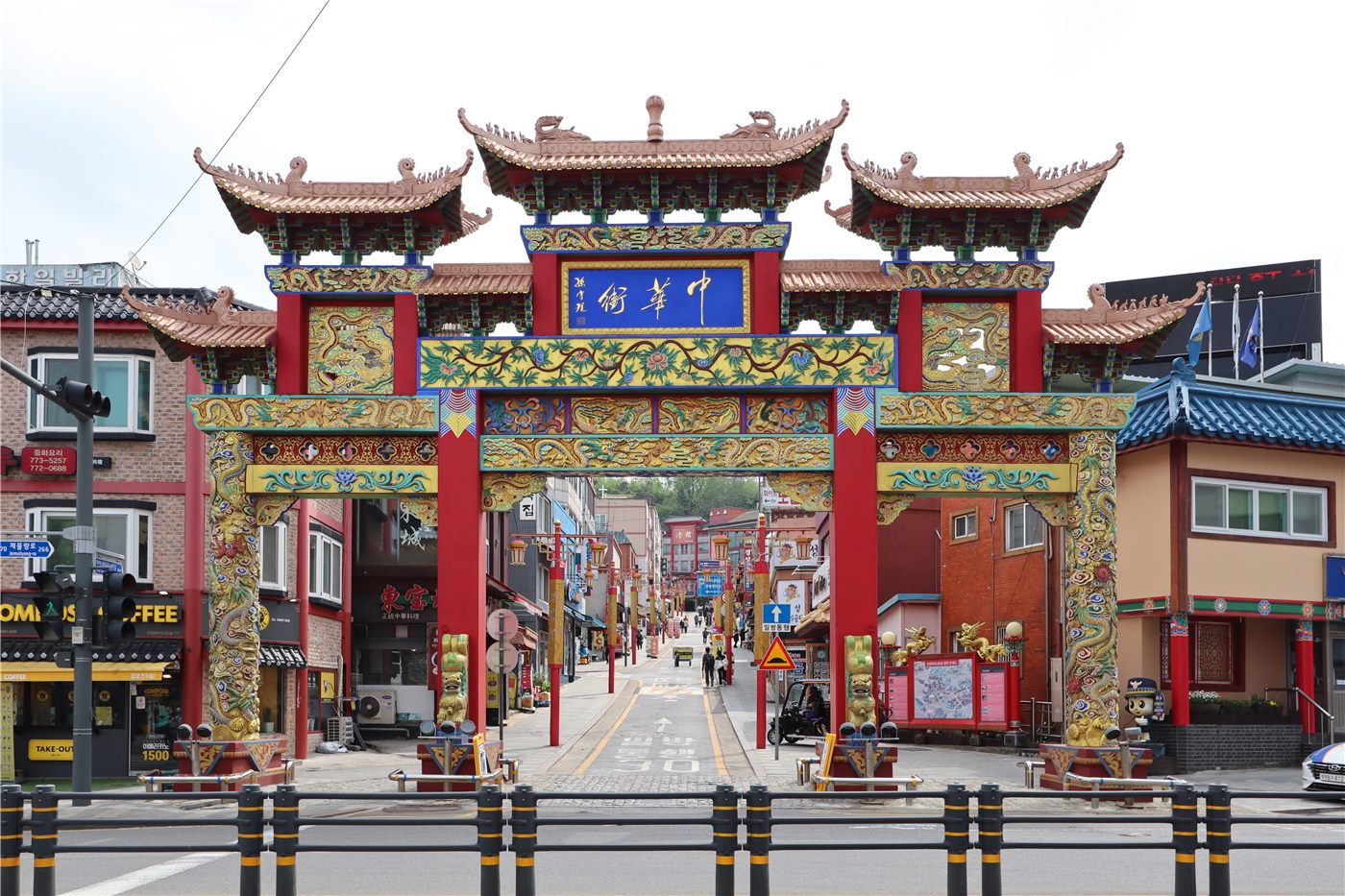
사진=Wikimedia Commons (자유 라이선스) · 기사 주제 관련 이미지

국회는 지난 8월 20일 본회의에서 ‘교육환경 보호에 관한 법률’ 일부개정안을 의결했다. 디지털타임스와 교육언론[창]의 당시 보도에 따르면, 개정안은 학교 경계선에서 200m 이내인 교육환경보호구역에서 학생의 학습권을 침해할 우려가 있는 옥외 집회·시위를 제한할 수 있도록 경찰과 학교 사이의 협조 절차를 새로 마련했다. 법은 공포 후 3개월이 지나 시행되며, 경인일보는 시행일을 12월 16일로 전했다.

광고 문의 · 300×250

개정 법에 따르면 경찰관서장은 보호구역 안에서 열리는 옥외 집회·시위 신고가 들어오면 이를 학교장에게 지체 없이 알려야 한다. 학교장이 학습권을 뚜렷이 침해할 우려가 있다고 판단하면 경찰에 금지·제한 통고 등 질서 유지 조치를 요청해야 한다. 학습권 침해로 보는 사유로는 출신 국가 등을 이유로 차별·모욕·비하하려는 목적, 심각한 소음 발생 우려, 욕설·폭언·비속어의 반복적 사용이 명시됐다.

인천 차이나타운 시위가 남긴 불안

화교 사회가 이 법에 주목하는 데에는 이유가 있다. 경인일보 보도에 따르면 지난 9월 13일 인천자유연대는 인천상륙작전 76주년을 기린다는 명분으로 인천역 광장과 자유공원 입구 등 차이나타운 일대에서 집회를 열었다. 참가자들은 차이나타운을 행진하며 중국 공산당을 비판하는 구호를 외쳤고, 인천역 광장에서는 북한과 중국 국기를 찢었다.

차이나타운 인근에는 화교 학생들이 다니는 인천화교소학·중산중고등학교가 있다. 경인일보는 모사량 교장이 학생들이 과격한 표현에 상처받지 않을지 걱정된다고 말했다고 전했다. 주희풍 인천화교협회 부회장도 화교들은 반중 시위와 직접 관련이 없지만, 시위 참가자들의 적개심을 보고 두려워하거나 당황한 주민들이 있었다고 했다. 차이나타운의 화교 상당수는 1884년 이후 1992년 한중 수교 이전에 정착한 이들의 후손으로, 대만 국적을 지닌 경우가 많다.

서울에서도 비슷한 일이 이어졌다. 디지털타임스는 연합뉴스를 인용해 지난해 서울 일부 학교 주변의 반중 집회가 논란이 됐고, 지난해 7월과 9월 명동 중국대사관 앞 집회가 금지되자 단체가 조선족 밀집 지역인 대림동으로 장소를 옮겼다고 전했다. 교육언론[창]은 지난해 9월 서울의 한 중학교 앞에서 중국인 혐오 시위가 예고되자 교장이 관할 경찰서장과 구청장에게 집회를 막아 달라는 편지를 보낸 사례도 소개했다.

여야 공방과 남은 과제

입법 과정은 순탄하지 않았다. 대표 발의한 더불어민주당 고민정 의원은 법이 학교 주변 혐오 집회에 대한 ‘최소한의 안전장치’가 될 것이라고 밝혔다. 반면 국민의힘은 학습권 보호라는 취지에는 공감하면서도 법의 근본 목표가 ‘반중 집회 금지법’이라고 반발했다. 당초 법안은 ‘차별·혐오’를 겨냥했으나, ‘혐오’ 개념이 모호하다는 지적에 따라 ‘차별·모욕·비하’로 문구가 바뀌었다. 법안은 지난 3월 24일 교육위원회를 여당 단독으로 통과한 뒤 본회의에서 한동안 멈춰 있었다.

교육부는 법 통과 당시 학생들의 학습권을 두텁게 보호하고 안전한 교육 환경을 조성하는 데 도움이 될 것이라고 기대했다. 다만 실제로는 학교장이 침해 우려를 판단하고 경찰이 이를 받아들여야 하는 구조인 만큼, 현장 판단 기준을 어떻게 마련하느냐가 관건으로 꼽힌다. 표현의 자유와의 균형을 두고도 논쟁이 이어질 전망이다.

윤영도 성공회대 동아시아연구소장은 경인일보 인터뷰에서 2016년 사드 배치 이후 한중 교류가 끊긴 10년 동안 중국을 간접적으로만 접한 청년들이 근거 없는 오해와 악감정을 갖기 쉽다고 분석했다. 그는 정치권이 반중 정서를 이용하지 말고 시민들도 중국을 객관적으로 바라볼 필요가 있다고 강조했다. 한성·인천·부산 등 전국 화교학교가 모두 도심 한가운데 있다는 점에서, 다음 달 시행되는 법이 화교 학생들의 등굣길을 얼마나 지켜 줄지 지켜볼 대목이다.

「校園200公尺內限制仇恨集會」下月16日施行 韓國華僑學校周邊將有改變?

南韓修正《教育環境保護法》,允許在校界200公尺內限制以出身國家為由進行歧視、侮辱、貶低的集會,將於下月16日施行。今年9月曾因仁川中國城反中示威而感到不安的華僑學校與僑胞,在施行前一個月密切關注實際成效。
本報記者 周裕民 · 2026.11.22
橋화인소식
圖=Wikimedia Commons(自由授權)· 與報導主題相關

南韓國會於8月20日在全體會議通過《教育環境保護法》部分修正案。據《數位時報》(Digital Times)與教育媒體「教育言論[窗]」當時報導,修正案在校界200公尺內的「教育環境保護區」新增警方與學校的協調程序,可限制恐侵害學生學習權的戶外集會與示威。該法於公布3個月後施行,《京仁日報》報導施行日為12月16日。

광고 문의 · 300×250

依修正法規定,警察機關首長接獲保護區內戶外集會或示威的申報後,須立即通知校長。校長若判斷有明顯侵害學習權之虞,應請警方採取禁止、限制通告等維持秩序措施。法條明列的學習權侵害事由包括:以出身國家等為由進行歧視、侮辱、貶低的目的;可能產生嚴重噪音;以及反覆使用髒話、辱罵或粗俗用語。

仁川中國城示威留下的不安

僑界關注此法並非沒有原因。據《京仁日報》報導,9月13日「仁川自由連帶」以紀念仁川登陸作戰76週年為名,在仁川站廣場與自由公園入口等中國城一帶集會。參與者遊行穿越中國城,高喊批評中國共產黨的口號,並在仁川站廣場撕毀北韓與中國國旗。

中國城附近設有華僑學生就讀的仁川華僑小學及中山中學。《京仁日報》引述該校校長表示,擔心學生因過激言論而受到傷害。仁川華僑協會一名副會長也說,僑胞與反中示威並無直接關係,但看到示威者的敵意,有居民感到害怕或不知所措。中國城的華僑多為1884年後至1992年韓中建交前定居者的後代,不少人持有中華民國國籍。

首爾也發生類似情況。《數位時報》引述韓聯社指出,去年首爾部分學校周邊的反中集會引發爭議;去年7月與9月明洞中國大使館前的集會遭禁止後,相關團體將地點移往朝鮮族聚居的大林洞。「教育言論[窗]」也介紹,去年9月首爾一所國中門前被預告將舉行仇中示威,校長隨即致函轄區警察局長與區廳長,請求阻止集會。

朝野攻防與待解課題

立法過程並不平順。領銜提案的共同民主黨議員高旼廷表示,此法將成為防範校園周邊仇恨集會的「最低限度安全裝置」。國民力量黨雖認同保護學習權的宗旨,卻批評該法的根本目標是「反中集會禁止法」。原始法案針對「歧視、仇恨」,但因「仇恨」概念模糊遭批評,文字改為「歧視、侮辱、貶低」。法案於3月24日由執政黨在教育委員會單獨通過後,一度在全體會議停擺。

南韓教育部在法案通過時表示,期待此法能更周全保護學生學習權、營造安全的教育環境。不過,由於須由校長判斷侵害之虞、再由警方採納,如何建立現場判斷標準被視為關鍵。與言論自由之間如何取得平衡,預料也將持續引發討論。

聖公會大學東亞研究所所長尹泳都接受《京仁日報》訪問時分析,2016年部署薩德後韓中交流中斷的十年間,只能間接接觸中國的年輕人容易產生毫無根據的誤解與反感。他強調政界應停止利用反中情緒,民眾也需客觀看待中國。漢城、仁川、釜山等地華僑學校多位於市中心,下月施行的新法能在多大程度上守護華僑學生的上學路,值得持續觀察。

「校园200公尺内限制仇恨集会」下月16日施行 韩国华侨学校周边将有改变?

南韩修正《教育环境保护法》,允许在校界200公尺内限制以出身国家为由进行歧视、侮辱、贬低的集会,将于下月16日施行。今年9月曾因仁川中国城反中示威而感到不安的华侨学校与侨胞,在施行前一个月密切关注实际成效。
本报记者 周裕民 · 2026.11.22
橋화인소식
图=Wikimedia Commons(自由授权)· 与报导主题相关

南韩国会于8月20日在全体会议通过《教育环境保护法》部分修正案。据《数位时报》(Digital Times)与教育媒体「教育言论[窗]」当时报导,修正案在校界200公尺内的「教育环境保护区」新增警方与学校的协调程序,可限制恐侵害学生学习权的户外集会与示威。该法于公布3个月后施行,《京仁日报》报导施行日为12月16日。

광고 문의 · 300×250

依修正法规定,警察机关首长接获保护区内户外集会或示威的申报后,须立即通知校长。校长若判断有明显侵害学习权之虞,应请警方采取禁止、限制通告等维持秩序措施。法条明列的学习权侵害事由包括:以出身国家等为由进行歧视、侮辱、贬低的目的;可能产生严重噪音;以及反复使用脏话、辱骂或粗俗用语。

仁川中国城示威留下的不安

侨界关注此法并非没有原因。据《京仁日报》报导,9月13日「仁川自由连带」以纪念仁川登陆作战76周年为名,在仁川站广场与自由公园入口等中国城一带集会。参与者游行穿越中国城,高喊批评中国共产党的口号,并在仁川站广场撕毁北韩与中国国旗。

中国城附近设有华侨学生就读的仁川华侨小学及中山中学。《京仁日报》引述该校校长表示,担心学生因过激言论而受到伤害。仁川华侨协会一名副会长也说,侨胞与反中示威并无直接关系,但看到示威者的敌意,有居民感到害怕或不知所措。中国城的华侨多为1884年后至1992年韩中建交前定居者的后代,不少人持有中华民国国籍。

首尔也发生类似情况。《数位时报》引述韩联社指出,去年首尔部分学校周边的反中集会引发争议;去年7月与9月明洞中国大使馆前的集会遭禁止后,相关团体将地点移往朝鲜族聚居的大林洞。「教育言论[窗]」也介绍,去年9月首尔一所国中门前被预告将举行仇中示威,校长随即致函辖区警察局长与区厅长,请求阻止集会。

朝野攻防与待解课题

立法过程并不平顺。领衔提案的共同民主党议员高旼廷表示,此法将成为防范校园周边仇恨集会的「最低限度安全装置」。国民力量党虽认同保护学习权的宗旨,却批评该法的根本目标是「反中集会禁止法」。原始法案针对「歧视、仇恨」,但因「仇恨」概念模糊遭批评,文字改为「歧视、侮辱、贬低」。法案于3月24日由执政党在教育委员会单独通过后,一度在全体会议停摆。

南韩教育部在法案通过时表示,期待此法能更周全保护学生学习权、营造安全的教育环境。不过,由于须由校长判断侵害之虞、再由警方采纳,如何建立现场判断标准被视为关键。与言论自由之间如何取得平衡,预料也将持续引发讨论。

圣公会大学东亚研究所所长尹泳都接受《京仁日报》访问时分析,2016年部署萨德后韩中交流中断的十年间,只能间接接触中国的年轻人容易产生毫无根据的误解与反感。他强调政界应停止利用反中情绪,民众也需客观看待中国。汉城、仁川、釜山等地华侨学校多位于市中心,下月施行的新法能在多大程度上守护华侨学生的上学路,值得持续观察。

Curbs on Hate Rallies Within 200m of Schools Take Effect Next Month — Relief for Chinese Schools in Korea?

Korea’s revised School Health and Education Environment Protection Act, which allows rallies aimed at discriminating against, insulting or denigrating people over national origin to be restricted within 200 meters of a school, takes effect on December 16. Chinese schools and ethnic Chinese residents, unsettled by an anti-China rally in Incheon’s Chinatown in September, are watching how it will work in practice.
By Ju Yu-min · 2026.11.22
橋화인소식
Photo: Wikimedia Commons (free license), related to the topic

The National Assembly passed the amendment at a plenary session on August 20. According to reports at the time by the Digital Times and the education outlet Educhang, the amendment creates a cooperation procedure between police and schools to restrict outdoor rallies and demonstrations that threaten students’ right to learn within ‘education environment protection zones’, which extend 200 meters from a school’s boundary. The law takes effect three months after promulgation, and the Kyeongin Ilbo put the date at December 16.

광고 문의 · 300×250

Under the revised law, police chiefs must notify the school principal without delay when a rally or demonstration is filed within a protection zone. If the principal judges that it clearly threatens the right to learn, the principal must ask police to take order-keeping measures such as a notice of prohibition or restriction. The grounds listed include a purpose of discriminating against, insulting or denigrating people because of national origin, expected serious noise, and repeated use of profanity, verbal abuse or slurs.

Unease Left by the Incheon Chinatown Rally

The ethnic Chinese community has its reasons for paying attention. According to the Kyeongin Ilbo, on September 13 the group Incheon Freedom Solidarity held a rally around Chinatown, including Incheon Station plaza and the entrance to Jayu Park, nominally to mark the 76th anniversary of the Incheon Landing. Participants marched through Chinatown chanting slogans against the Chinese Communist Party and tore up North Korean and Chinese flags in the station plaza.

Near Chinatown stands the Incheon Overseas Chinese Elementary School and Zhongshan Middle and High School, attended by ethnic Chinese students. The Kyeongin Ilbo quoted its principal as worrying that students could be hurt by the harsh rhetoric. A vice president of the Incheon Overseas Chinese Association said local ethnic Chinese have no direct connection to anti-China protests, but that some residents were frightened or shaken by the hostility they saw. Most ethnic Chinese in the area descend from those who settled between 1884 and the 1992 normalization of Korea-China ties, and many hold Republic of China (Taiwan) nationality.

Similar episodes occurred in Seoul. Citing Yonhap, the Digital Times said anti-China rallies near some Seoul schools caused controversy last year, and that after rallies in front of the Chinese Embassy in Myeong-dong were banned in July and September last year, the group moved to Daerim-dong, an area with many ethnic Korean Chinese residents. Educhang also recounted how, when an anti-Chinese protest was announced outside a Seoul middle school last September, the principal wrote to the local police chief and district head asking them to stop it.

Partisan Clash and Open Questions

The legislative path was rocky. Lead sponsor Ko Min-jung of the Democratic Party said the law would serve as a ‘minimum safety device’ against hate rallies near schools. The People Power Party agreed with protecting the right to learn but argued that the law’s fundamental aim was to ban anti-China rallies. The original bill targeted ‘discrimination and hate’, but after criticism that ‘hate’ was legally vague, the wording became ‘discrimination, insult and denigration’. The ruling party pushed the bill through the Education Committee alone on March 24, after which it stalled for a time before the plenary.

When the bill passed, the Education Ministry said it expected the law to protect students’ right to learn more fully and help create a safe school environment. Because the system depends on principals judging the risk and police accepting their requests, however, how on-the-ground criteria are set is seen as the key. Debate over balancing the measure against freedom of expression is also likely to continue.

Yoon Young-do, head of the East Asian Research Institute at Sungkonghoe University, told the Kyeongin Ilbo that young people who encountered China only indirectly during the decade of severed exchanges after the 2016 THAAD deployment are prone to unfounded misunderstandings and hostility. He urged politicians to stop exploiting anti-China sentiment and citizens to view China objectively. With Chinese schools in Seoul, Incheon, Busan and elsewhere located in the heart of their cities, how far the law will protect ethnic Chinese students on their way to class is worth watching.

출처·참고 (사실 확인용 — 본문은 직접 재작성)
· 디지털타임스
· 교육언론[창]
· 경인일보
광고 문의 · 970×90