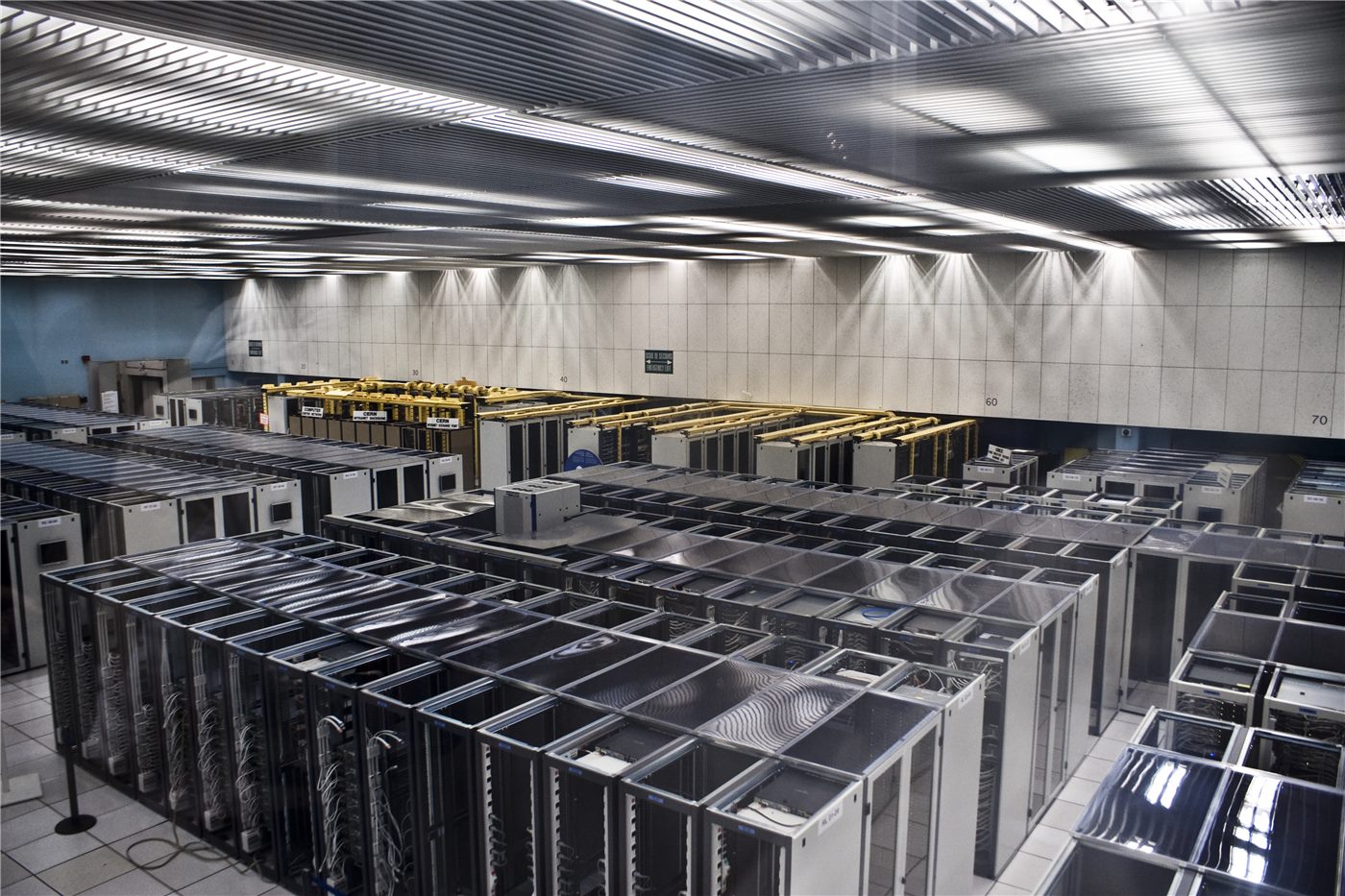
After Nvidia CEO Jensen Huang abruptly resigned, South Korea's science ministry held a review meeting with Nvidia and received confirmation that the supply of 260,000 advanced GPUs and joint projects will proceed. The government says it will keep monitoring public and private GPU supply.
Deputy Prime Minister and Science and ICT Minister Bae Kyung-hoon said on social media on Thursday that Nvidia's plan to supply 260,000 advanced GPUs to Korea remains unchanged. According to the Kyunghyang Shinmun and the Financial News, the ministry's second vice minister chaired an issue-review meeting with Nvidia that morning, where the company reaffirmed the volumes and its partnerships with Korean firms. Nvidia announced on Wednesday, local time, that Huang was stepping down and that Chief Financial Officer Colette Kress would serve as interim CEO.
광고 문의 · 300×250Bae said inquiries had poured in after the news about whether GPU supply and joint projects would continue. He said Nvidia had “reconfirmed at the company level that it will proceed as previously announced,” adding that the government would work closely with domestic and foreign companies and institutions and keep checking GPU supply for both the public and private sectors. The message is widely read as an effort to separate one executive's departure from a supply commitment between the company and the country, and to calm the market early.
Where the 260,000 GPUs go
The 260,000 figure was announced last October on the sidelines of the APEC summit in Gyeongju. According to Econovill and other outlets, the government, Samsung Electronics, Hyundai Motor and SK Telecom were each to secure 50,000 units, and Naver 60,000. All figures are expressed in Nvidia B200-equivalent computing power. Because much of Korea's AI compute base effectively rests on this volume, the check carried weight beyond a routine confirmation.
Progress on the government's 50,000-unit share was also disclosed. Of the roughly 35,000 units the government is procuring directly, about 21,000 have arrived and the remaining 14,000 or so are due in early 2027. Separately, 15,000 units are being secured through the National AI Computing Center. The government plans to deploy the GPUs as needed for AI research at companies, universities and institutes, for sovereign AI foundation-model development, and for public programs such as AI for Everyone.
Technical cooperation also stays on track. The two sides will continue work on linking Korean AI chips to Nvidia's platform via its NVLink high-speed interconnect, building AI computing infrastructure, joint physical-AI research and talent development, and will keep discussing a GTC developer conference in Korea. Bae also thanked Huang for his support of Korea's AI development.
The real issue: single-source dependence
The episode showed how heavily Korea's AI infrastructure strategy leans on one company, and even on one executive. Because the 260,000-unit deal was struck and announced through summit-level diplomacy and CEO meetings, news of a leadership change alone was enough to unsettle the industry. The Financial News reported concerns that the resignation could shake domestic AI infrastructure supply, and said the government was moving to quell them early.
Still, Nvidia's commitment is a corporate business plan, and actual delivery will be judged by shipment schedules and contract terms. The government's early-2027 target for its remaining 14,000 directly procured units may serve as a benchmark for future checks. If efforts to connect Korean AI chips to Nvidia's ecosystem progress smoothly, they could also become a stepping stone toward diversifying supply over the long run.
Many young ethnic Chinese working and studying in Korea are employed or doing research in AI and semiconductors. The timing of government GPU resources earmarked for universities and research institutes bears directly on their research environment, making the coming delivery schedule and allocation method worth watching.