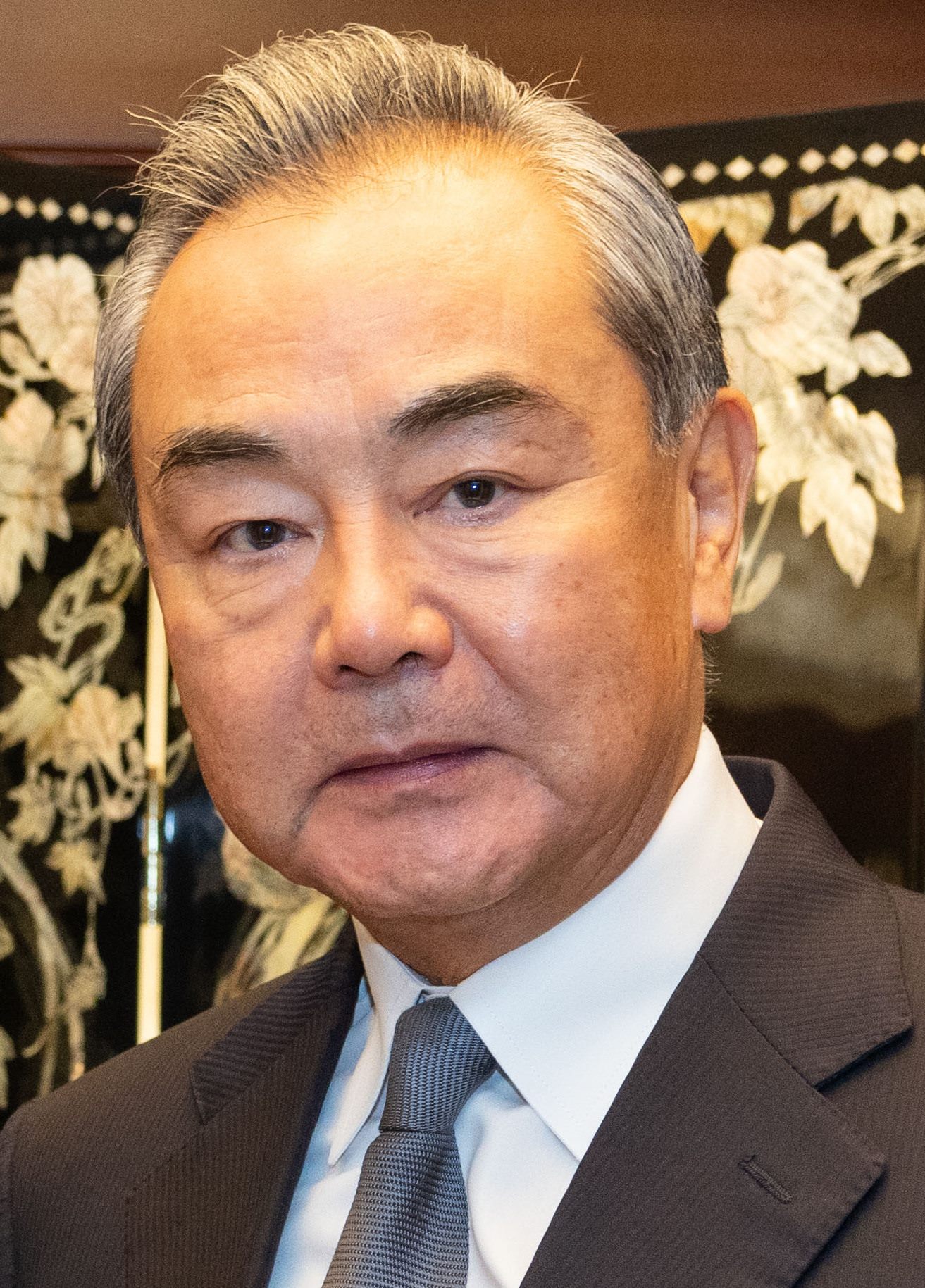
Chinese Foreign Minister Wang Yi stressed stable relations in a Nov. 11 call with U.S. Secretary of State Marco Rubio. In Congress, however, Democrats and Republicans are pushing to attach three bills tightening chip export controls on China to the defence authorisation act, signalling a renewed hard line.
According to Kyunghyang Shinmun and China’s Global Times, Wang spoke by phone with Rubio on Nov. 11. He said the recent stabilising trend in China-US relations was hard-won and a rational choice by the two major countries based on their interests. He said China’s policy towards the U.S. remains stable and consistent, and proposed stronger communication and cooperation and proper handling of differences and sensitive issues.
광고 문의 · 300×250Wang also called for each side to support the other’s hosting of the 2026 APEC leaders’ meeting and the G20 summit, and for turning the vision of a ‘constructive China-US relationship of strategic stability’ into action. China’s foreign ministry described the call as positive and constructive. Hankook Ilbo reported that the APEC summit will be held next week in Shenzhen, China, and the G20 in December in Miami.
Three House-passed chip bills eyed for the NDAA
Citing The Wall Street Journal, Kyunghyang reported that three bills passed the House earlier this year and are pending in the Senate. The AI Overwatch Act would let Congress review and, if needed, block advanced chip exports to China; the Chip Security Act would require technical location verification of chips to prevent smuggling via third countries; and the MATCH Act would press allies such as South Korea, Japan and the Netherlands to align their controls on chip-equipment exports to China with U.S. rules.
Senior lawmakers from both parties are seeking to fold the bills into the annual National Defense Authorization Act and pass them this year. Democratic Senator Elizabeth Warren and Republican Senator Jim Banks issued a joint statement urging swift passage of the AI Overwatch Act, and Warren and Chris Coons wrote to the commerce and state secretaries and others on Nov. 11 asking them to preserve records on Nvidia’s China exports. Nvidia has opposed the bills, and disagreements among lawmakers leave final passage uncertain.
Chinese concern over stirring opinion; Busan truce tested
AFP attributed the hardening mood to the scandal surrounding Nvidia chief executive Jensen Huang and to President Trump’s weakened political clout after the midterm elections. Trump and Chinese President Xi Jinping agreed a trade truce at their October 2025 summit in Busan, and observers say passage of the bills could unsettle that ‘tactical truce’. Zhu Feng, a professor at Nanjing University, likened the affair to ‘a second spy balloon incident’, arguing that the investigation process itself, rather than its findings, would fuel anti-China sentiment.
Beijing emphasises stability through dialogue and cooperation, while Congress seeks tighter technology controls on security grounds. Analysts say the MATCH Act, if passed, could affect Samsung Electronics and SK hynix, which operate production facilities in China. For ethnic Chinese in Korea working in Korea-China trade and industry, the direction of China-US ties around next week’s APEC summit is worth watching.