The leaders' segment of the COP31 UN climate conference in Antalya, Turkey, opened on Wednesday without the presidents of the United States and China. A new analysis found less than four years remain in the carbon budget for 1.5 degrees, and Iran's president demanded compensation for wartime environmental damage.
COP31, running from November 9 to 20 in Antalya, entered a two-day high-level segment of leaders' speeches on November 11, according to the United Daily News. President Donald Trump did not attend and no U.S. administration officials took part, with only a congressional delegation present. China was represented by Vice President Han Zheng instead of President Xi Jinping.
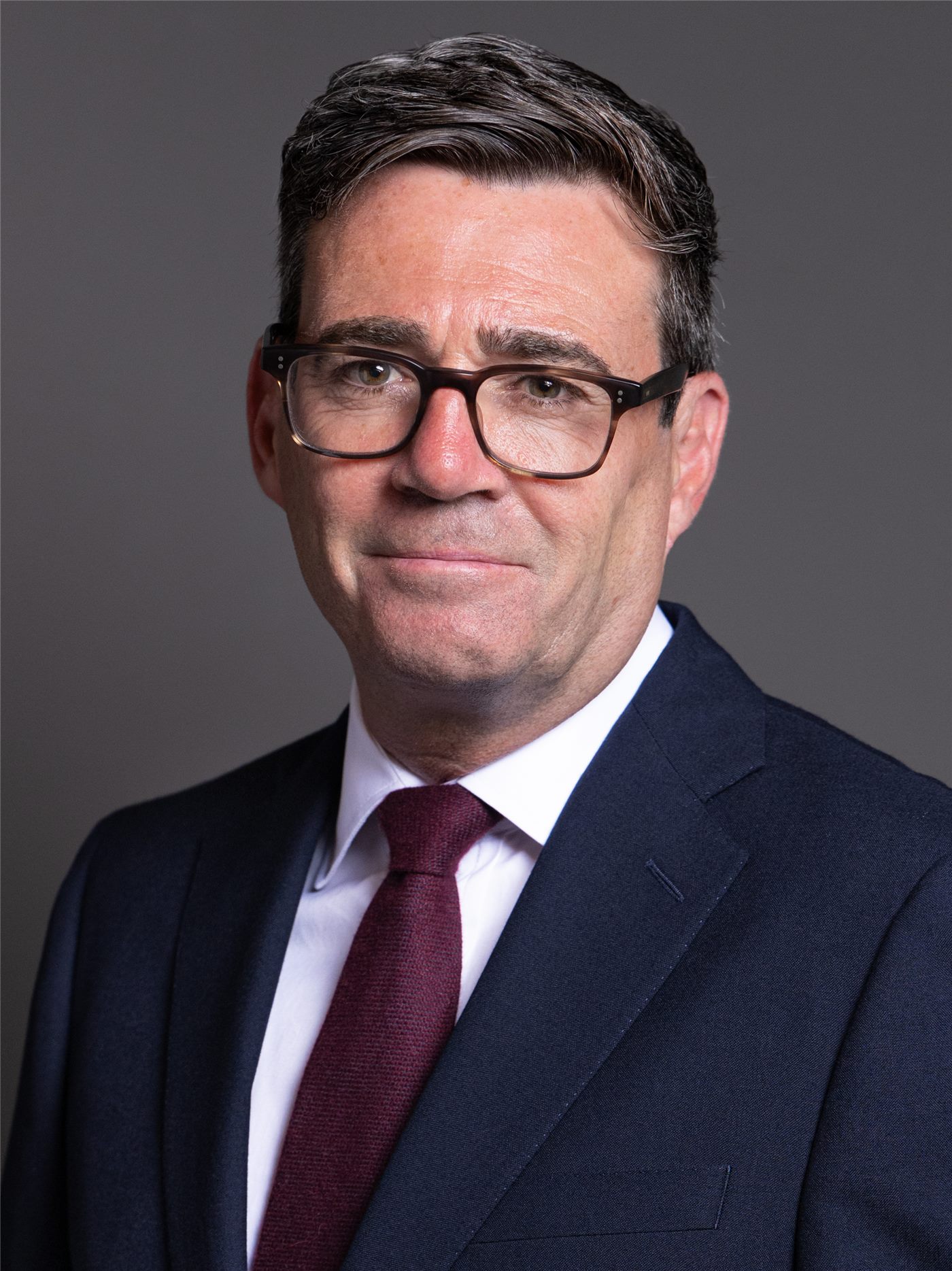
광고 문의 · 300×250Among G7 leaders, only British Prime Minister Andy Burnham was on the speakers' list. The French government said President Emmanuel Macron would be absent because November 11 is the World War I Armistice commemoration and he must attend an EU summit in Ireland on November 12. German Chancellor Friedrich Merz, Italian Prime Minister Giorgia Meloni, Canadian Prime Minister Mark Carney and Japanese Prime Minister Sanae Takaichi also stayed away, while European Commission President Ursula von der Leyen attended in person.
Climate experts voiced disappointment. According to the United Daily News, a representative of the think tank E3G said it was regrettable that some major European leaders were not coming and that Europe needed a strong presence at the summit, while Climate Action Network Europe said attending in person was the most basic starting point for leaders who want to shape the global energy transition. EU climate commissioner Wopke Hoekstra said leaders' absences were not unusual and that expectations should not be set too high.
Less than four years left in the 1.5-degree carbon budget
Outside the venue, the warnings are growing louder. The Global Carbon Budget 2026 report released on November 10 by the Global Carbon Project, an international scientific consortium, projects fossil carbon dioxide emissions of 38.2 billion tonnes this year, down 0.4 percent from last year, with declines in China (-0.9 percent), the United States (-1.3 percent) and the EU (-1.5 percent) and a rise in India (+4.4 percent). But total emissions including land-use change are projected at 43.3 billion tonnes, up from 42.8 billion in 2025. The report warns that the remaining carbon budget for limiting warming to 1.5 degrees is 150 billion tonnes, less than four years of emissions at the current rate. The researchers attribute this year's dip in fossil emissions to both high oil prices caused by the Iran war and the expansion of renewable energy.
Speakers on the first day of the summit included Turkish President Recep Tayyip Erdoğan, Brazilian President Luiz Inácio Lula da Silva and Iranian President Masoud Pezeshkian. Pezeshkian said U.S. and Israeli strikes had caused severe environmental damage, claiming that attacks on fuel facilities at a major gas field in southern Iran released about 500,000 tonnes of carbon dioxide and a strike on fuel depots near Tehran another one million tonnes. He called for environmental damage from military attacks to be documented and assessed and for compensation mechanisms to be developed. His figures have not been independently verified, and current climate agreements contain no provision for environmental harm from military strikes.
COP31 is being run under an unusual shared arrangement, with Turkey holding the presidency and Australia leading the negotiations. With leaders of major powers absent, the key question is whether the remaining days can deliver progress on climate finance and stronger emissions targets. As Korea, mainland China and Taiwan all rely heavily on export manufacturing and are sensitive to carbon rules and the energy transition, the outcome also matters to overseas Chinese business people in Korea who work across these economies.