Defence ministers of the six Gulf Cooperation Council states agreed in Bahrain on Tuesday to place a forward headquarters of their Unified Military Command in Kuwait. The move is meant to give the bloc a permanent command presence at its northern edge as Iranian missile and drone strikes continue.
According to Korea’s Kyunghyang Shinmun, Al Jazeera and Kuwaiti media, defence ministers from Saudi Arabia, the UAE, Qatar, Kuwait, Bahrain and Oman held the 23rd meeting of the GCC Joint Defence Council in Manama on November 10. The session was chaired by Bahrain’s Minister of Defence Affairs, Lieutenant General Abdullah bin Hassan Al-Nuaimi. Members agreed to establish a forward headquarters of the Unified Military Command in Kuwait and to assign “appropriate” forces to it.
광고 문의 · 300×250GCC Secretary-General Jasem Mohamed Albudaiwi announced the decision after the meeting. He said it reflected the leaders’ continued commitment to joint military cooperation and stressed that the security of Gulf states is a shared responsibility. The exact location of the headquarters, the number of troops and the types of forces involved have not been disclosed.
Albudaiwi strongly condemned Iranian attacks that he said had damaged civilian facilities and infrastructure in member states. He also condemned Houthi attacks on Saudi Arabia, saying the kingdom’s security is inseparable from that of every GCC member. He linked the decision to directives issued at an extraordinary GCC leaders’ meeting in Jeddah in April.
Nine months into the war, the whole Gulf is within range
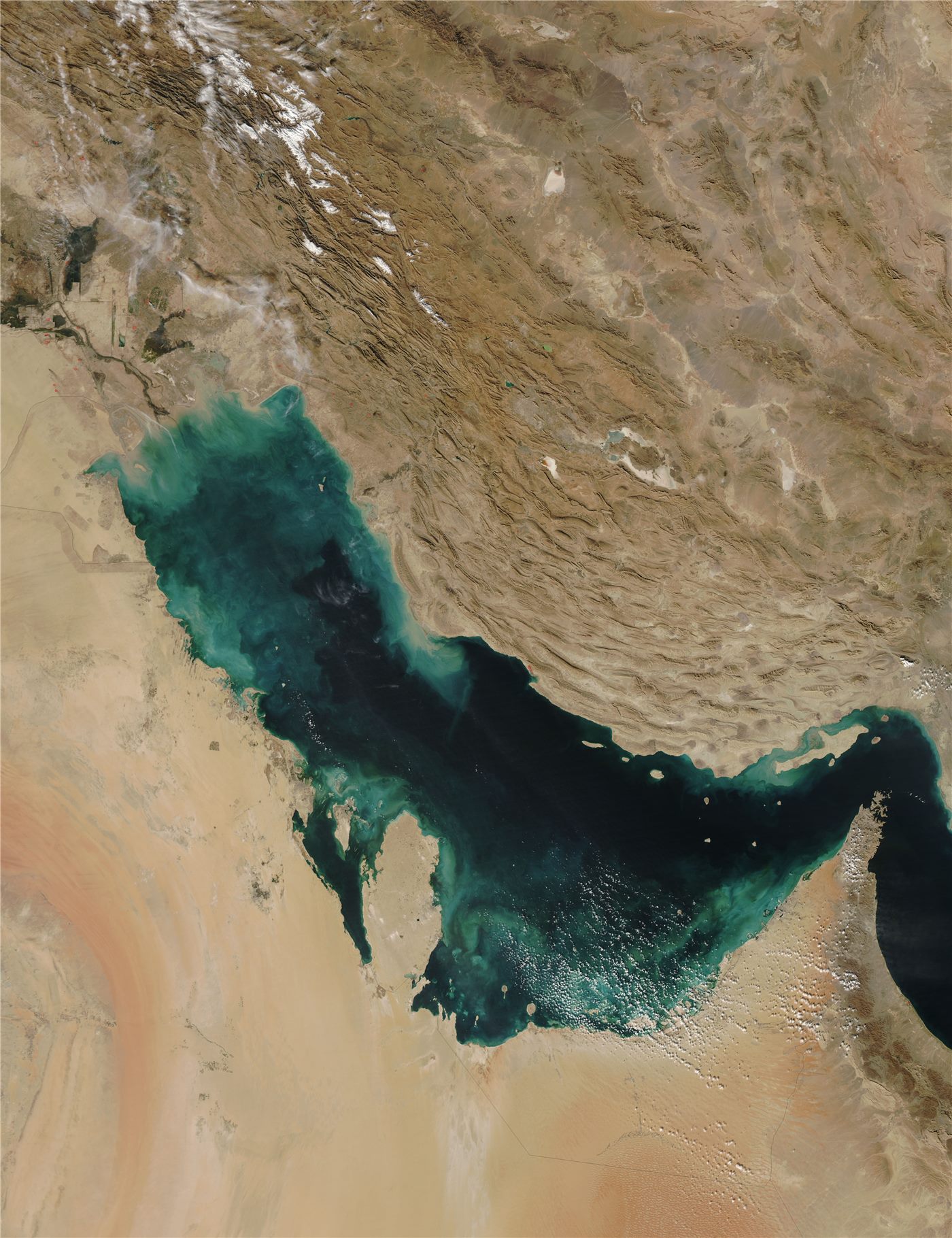
The tougher joint posture reflects a war that has dragged on since the United States and Israel attacked Iran on February 28. Gulf states hosting US bases have since been struck repeatedly by Iranian missiles and drones. Flights, shipping and oil and gas exports have been disrupted, and traffic through the Strait of Hormuz has not returned to normal.
Kuwait has tried to keep a relatively moderate stance toward Tehran despite the strikes, but it is also exposed to drone attacks from Iran-aligned groups in Iraq. Saudi Arabia, meanwhile, suffered a Houthi attack on Riyadh’s King Khalid International Airport on October 10 that killed 14 people and injured more than 300. Threats are rising at both the northern and southern ends of the Gulf.
Building its own deterrent, without breaking with Washington
The Unified Military Command was created in 2013, and its headquarters in Riyadh opened in 2021. Muhanad Seloom of the Middle East Council on Global Affairs told Al Jazeera the decision puts a unified command at the top of the Gulf, in Kuwait in particular, and sends a message to Iran and Iraq. He described it as part of a long-term deterrence strategy rather than a reaction to an imminent strike, and as a wake-up call for the GCC to take its security into its own hands.
Albert Vidal of the International Institute for Strategic Studies said the announcement does not signal a shift away from the United States, adding that Washington would likely welcome closer Gulf coordination. Multilateral security ties are widening in the region: in August, Saudi Arabia, Pakistan and Türkiye signed the Mecca Joint Defence Agreement. US President Donald Trump said on Monday that further military action against Iran was unnecessary for now, but the US naval blockade remains in place, leaving the prospects for de-escalation uncertain.