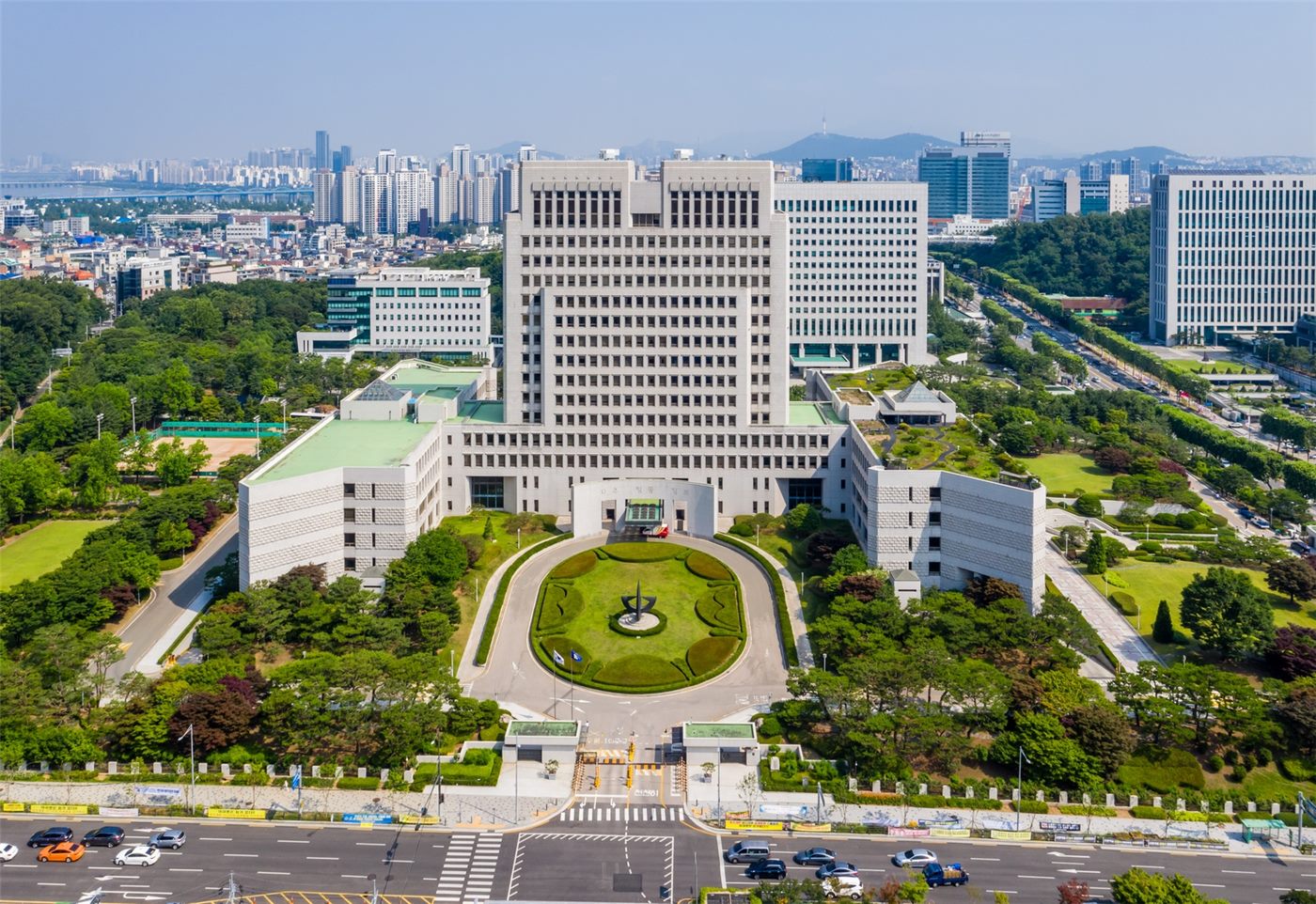
South Korean courts are rejecting a growing share of requests for interim measures that keep stalking suspects away from victims, yet the Supreme Court does not keep statistics on requests, approvals and rejections by type of measure, leaving no basic data to assess gaps in victim protection.
According to the Kyunghyang Shinmun on November 10, when the office of Democratic Party lawmaker Seo Young-kyo asked the Supreme Court for data on interim measures under the Stalking Punishment Act, the court replied that case data by type “is not managed as separate statistics.” The court also said it does not separately track sentences or conviction and acquittal outcomes in cases involving violations of interim measures.
광고 문의 · 300×250Under the act, investigators can ask a court to impose interim measures on a stalking suspect. There are four types: a written warning; a ban on coming within 100 meters of the victim; a ban on contact through telecommunications combined with an electronic location-tracking device; and confinement in a police lockup or detention center. The last is effectively detention and the strongest option.
Rejection rate climbs from 6.4% to 9%
The only figure the Supreme Court provided was the overall rejection rate. It was 6.4% in 2022, when the law took effect, 7.6% in 2024, 8.4% in 2025 and about 9% in the first half of this year. Without a breakdown by type, however, it is impossible to tell how often strong measures such as detention or electronic monitoring are actually granted.
A presiding judge at a court in the capital region told the Kyunghyang Shinmun that as rejection rates rise, investigators may grow reluctant to request interim measures at all. Asia Today and others reported earlier, citing parliamentary audit data, that requests for strong measures such as detention and electronic anklets have surged while courts have granted only around 20 to 30 percent of them.
Tragedies continue as victims sue the state
Complaints persist that protection is not arriving in time or in sufficient strength. The Kyunghyang Shinmun reported that a woman who had endured more than five years of stalking and threats was fatally stabbed in an apartment underground car park; two months earlier, police had found the suspect loitering nearby and sent him off with a warning. Her family has sued the state, arguing police failed to request an interim measure in time. In another case, a suspect already under a no-contact order went to the victim armed, and that victim is also suing, saying a stronger measure was needed.
The government is moving as well. Police are reviewing 44,540 relationship-related crime cases, including stalking murders and dating violence, and have sought arrest warrants in some, while the Justice Ministry said on November 3 it will seek to broaden the legal definition of stalking. Rep. Seo urged the Supreme Court to systematically track requests, approvals and rejections by type and to analyze the reasons for rejection and whether victims are adequately protected.