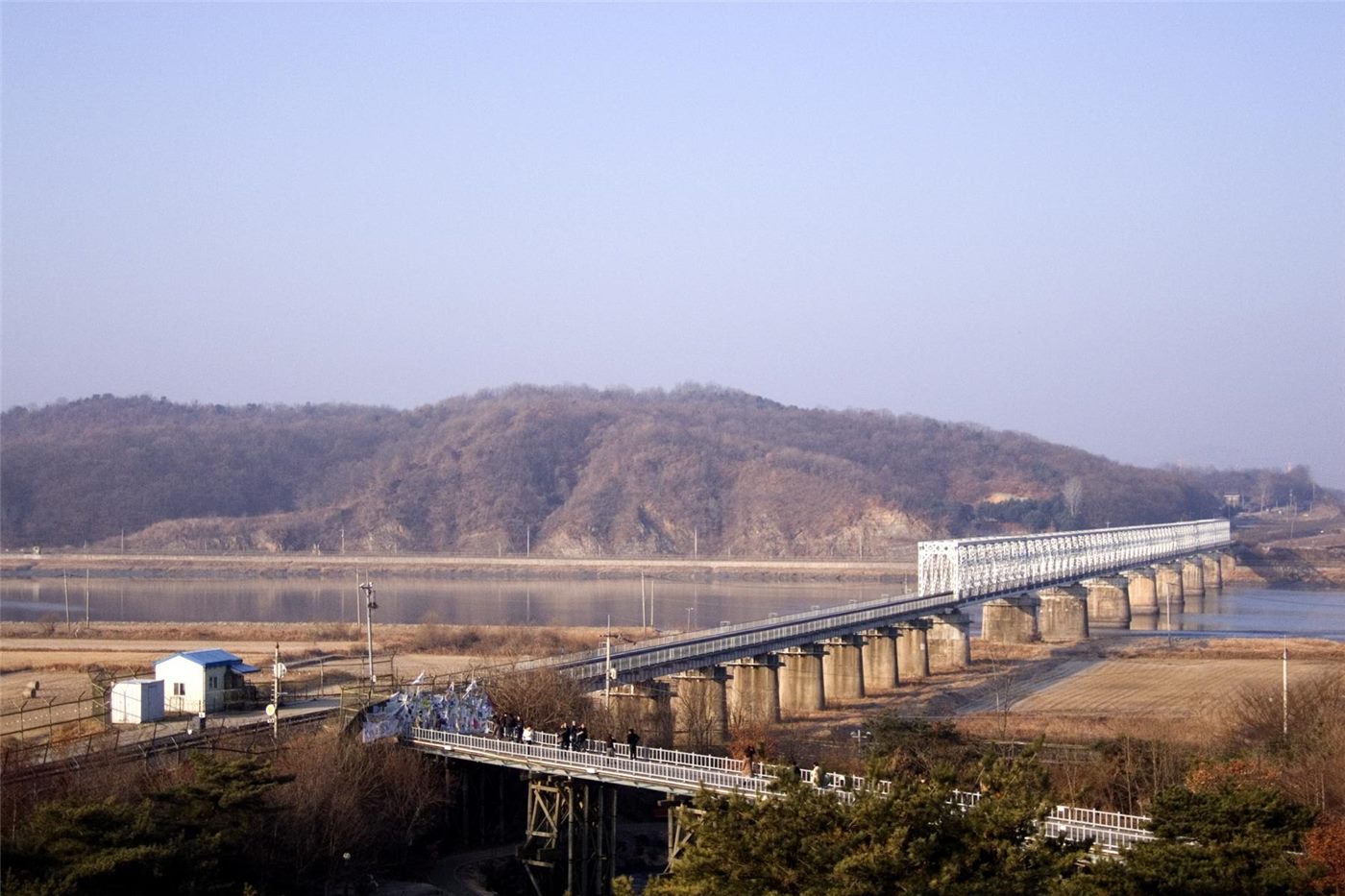
Gen. Jin Yeong-seung visited the Army's 25th Division, where a suspected mine explosion occurred in the western DMZ, on Chuseok, Sept. 25, to check preparations for a joint on-site investigation with the UN Command. The presidential office said there was 'not the slightest cover-up,' while rival parties traded barbs.
Chairman of the Joint Chiefs of Staff Jin Yeong-seung on Sept. 25, Chuseok day, visited the Army's 25th Division, where a suspected landmine explosion occurred in the Demilitarized Zone on the western front, to review preparations ahead of an on-site investigation.
광고 문의 · 300×250Jin was briefed by commanders including Ground Operations Command chief Lee Sang-ryul, the acting commander of I Corps and the 25th Division commander, as well as by the joint investigation task force with the UN Command, on the probe's progress and operational readiness.
'Safety before speed'
Jin ordered thorough safety measures before the site investigation, including command and control, communications and rehearsals, and stressed that the probe must be thorough while ensuring the safety of troops. Mine locations in much of the DMZ are uncertain, making it dangerous even to send investigators in.
The JCS rebutted claims that the military dragged its feet on the UN Command's request, saying both sides agreed from the outset that safety measures had to be secured before a joint site investigation. It also said reports that an injured officer was evacuated by a US military helicopter were inaccurate. There are also concerns that rain could wash away evidence.
Presidential office: 'no cover-up'; parties clash
The presidential office said there was 'not the slightest cover-up or hidden agenda' in the investigation and that it was proceeding carefully because of the high risk. According to Kyunghyang Shinmun, the ruling party accused the opposition of politicizing troop safety, while the opposition charged that the government was 'minding Kim Jong Un's mood.'
Whether the blast was caused by a mine newly laid by North Korea or one buried long ago could greatly shape inter-Korean relations and the military response, drawing close attention to the joint investigation's findings.