Chinese President Xi Jinping left Beijing by special aircraft on the afternoon of the 23rd for a state visit to the United States. President Trump is to greet him at Joint Base Andrews in Maryland, and a White House welcome ceremony on the morning of the 24th will be followed by summit talks. An extension of the tariff truce, AI guardrails and Taiwan are expected on the table.
Chinese President Xi Jinping departed Beijing by special aircraft on the afternoon of the 23rd to begin a state visit to the United States at the invitation of President Donald Trump. According to Chinese state media, he is accompanied by his wife Peng Liyuan, Cai Qi, director of the General Office, and Foreign Minister Wang Yi, among others.
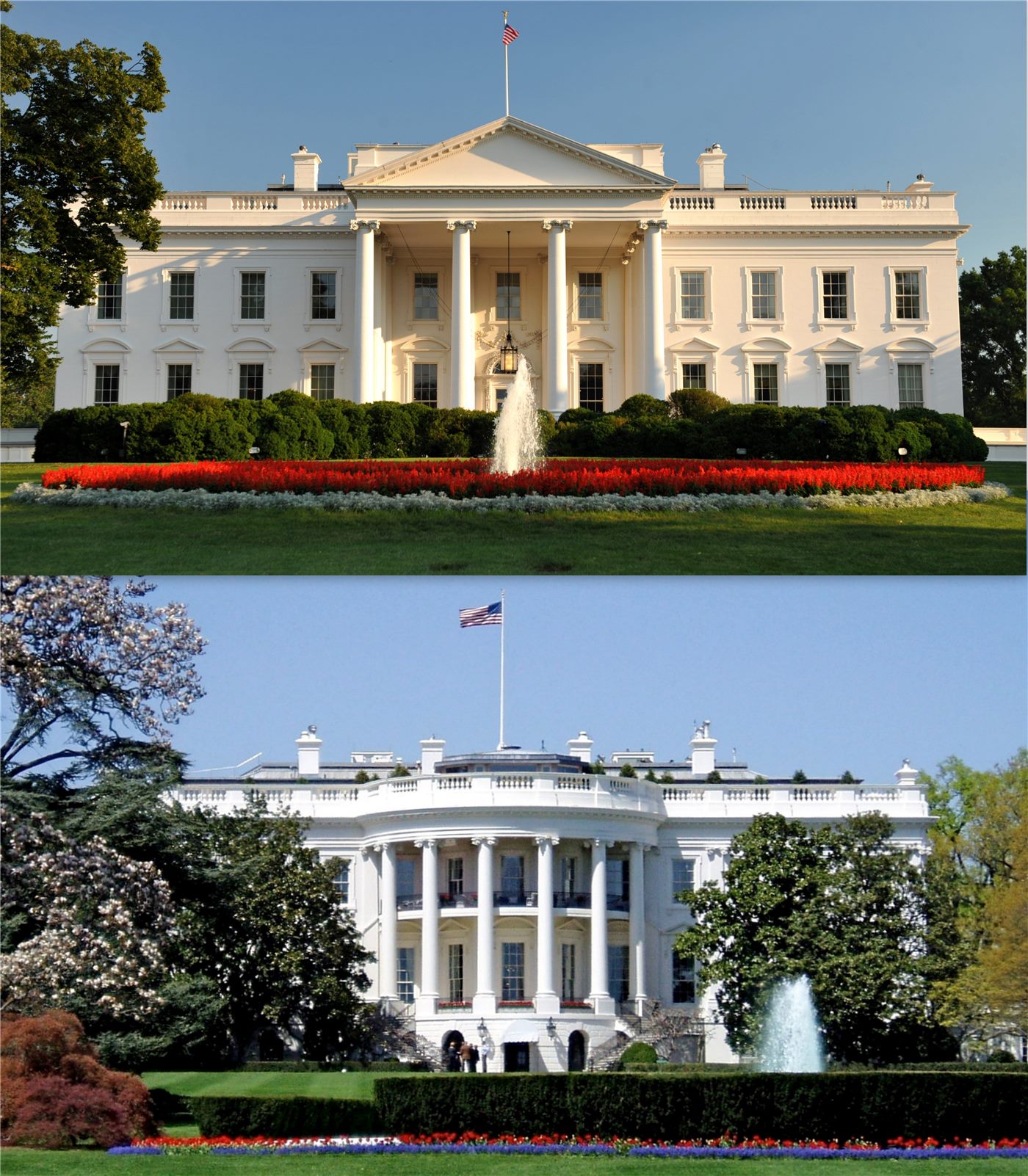
광고 문의 · 300×250Under the schedule released by the White House, President Trump will personally welcome Mr Xi at Joint Base Andrews in Maryland. On the morning of the 24th, the president and First Lady Melania Trump will hold a state welcome ceremony at the White House, with a military flyover planned. The formal talks follow the same day.
It has been several years since a Chinese head of state visited the United States with state-visit honours. The two countries prepared the trip through trade consultations and high-level contacts, and China's foreign ministry has recently described the direction of relations as constructive strategic stability.
Three Items on the Table
The first is trade. Treasury Secretary Scott Bessent said on the eve of the summit that he was open to extending the US-China trade truce, the Liberty Times reported. With the truce's expiry approaching, whether it is extended matters to companies in both countries and to supply chains in third countries.
The second is artificial intelligence. Taiwanese outlets cited analysis that the two sides are more likely to discuss guardrails and communication channels to prevent miscalculation, a so-called hotline, than any slowdown in development. The United Daily News quoted experts as saying that even two points of agreement on AI would count as success.
The third is Taiwan. Beijing has consistently described the Taiwan question as the most central issue in the relationship, while some members of the US Congress urged a clear stance ahead of the talks. The Liberty Times reported that Republican lawmakers pressed for the release of military assistance funds for Taiwan.
New York and Washington, Two Stages in One Week
The visit coincides with the high-level week of the UN General Assembly. New York has hosted direct US-Iran talks, a South Korea-US-Japan foreign ministers' meeting and a US-Japan summit, along with US-Russia contacts on a ceasefire in Ukraine. The Washington summit sits at the peak of that sequence.
Allies moved quickly. Japanese Prime Minister Sanae Takaichi met President Trump two days earlier to convey Tokyo's view on the Taiwan Strait and economic security, and President Lee Jae-myung discussed shipbuilding and defence-industry cooperation with him in New York. The order of consultations before a summit is itself read as a signal.
What Korea and the Chinese Community Will Watch
The temperature of US-China relations transmits directly to the South Korean economy, whose semiconductor, battery and shipbuilding industries straddle both markets and supply chains. An extended truce would reduce uncertainty for exporters; a breakdown would hit exchange rates and procurement costs first.
Nor is it remote from Korea's Chinese community. Trade, study and family visits flow constantly between China, Taiwan and Korea, so stability between the two powers is tied to stability in daily life. With Chuseok and the Mid-Autumn Festival falling this week, news from Washington will reach holiday tables too.
A Third View: One Summit, Different Expectations
Beijing presents the visit as an occasion for head-of-state diplomacy to steady the relationship; Huanqiu ran a commentary saying leaders' diplomacy guides constructive strategic stability. Washington has emphasized concrete results on trade balance, market access and fentanyl. Media in Taipei are watching whether Taiwan becomes a bargaining chip, while Tokyo and Seoul calculate the balance between alliance and economy. This paper will set the texts and both sides' statements side by side.