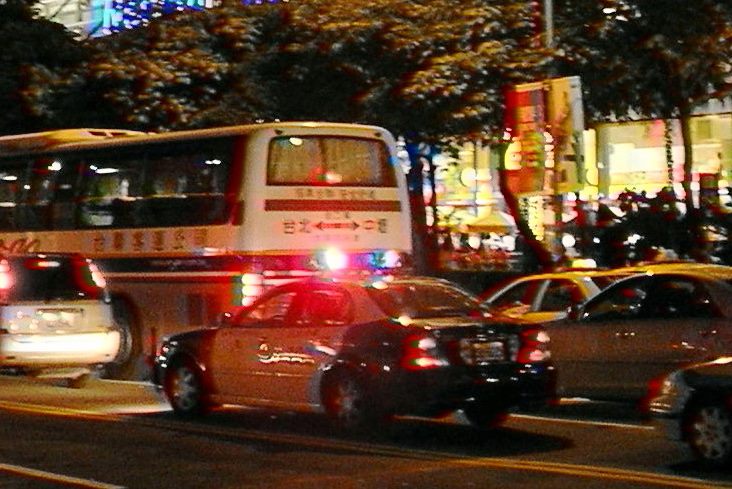
Taiwanese authorities are moving to strengthen penalties for driving under the influence of drugs, raising maximum fines, extending license suspensions and applying sanctions to refusal of testing itself.
The current system has been criticized as having looser grounds and procedures for enforcement than drink-driving rules. Unlike alcohol, which yields an immediate reading from a breath test, drugs are hard to identify at the roadside, placing a heavy burden of proof on enforcement.
광고 문의 · 300×250The amendment is designed to clarify the legal basis for roadside screening using saliva or urine, and to treat refusal without valid reason as equivalent to a positive finding for purposes of punishment.
Drug-impaired driving affects reaction time, attention and judgment of distance, and carries a high rate of serious injury when crashes occur. Because users of prescription medication can also be covered, guidance to avoid driving after taking drugs that cause drowsiness accompanies the change.
Korea has its own rules on drug-impaired driving, but enforcement numbers lag far behind those for alcohol. The spread of roadside testing equipment and linkage with medical records have been identified as shared challenges.
Ethnic Chinese drivers in Korea and travelers moving between the two places should take practical note. Where cold medicines, allergy drugs or sleep aids carry a driving warning, avoiding the wheel for a set period after taking them is the safer course.