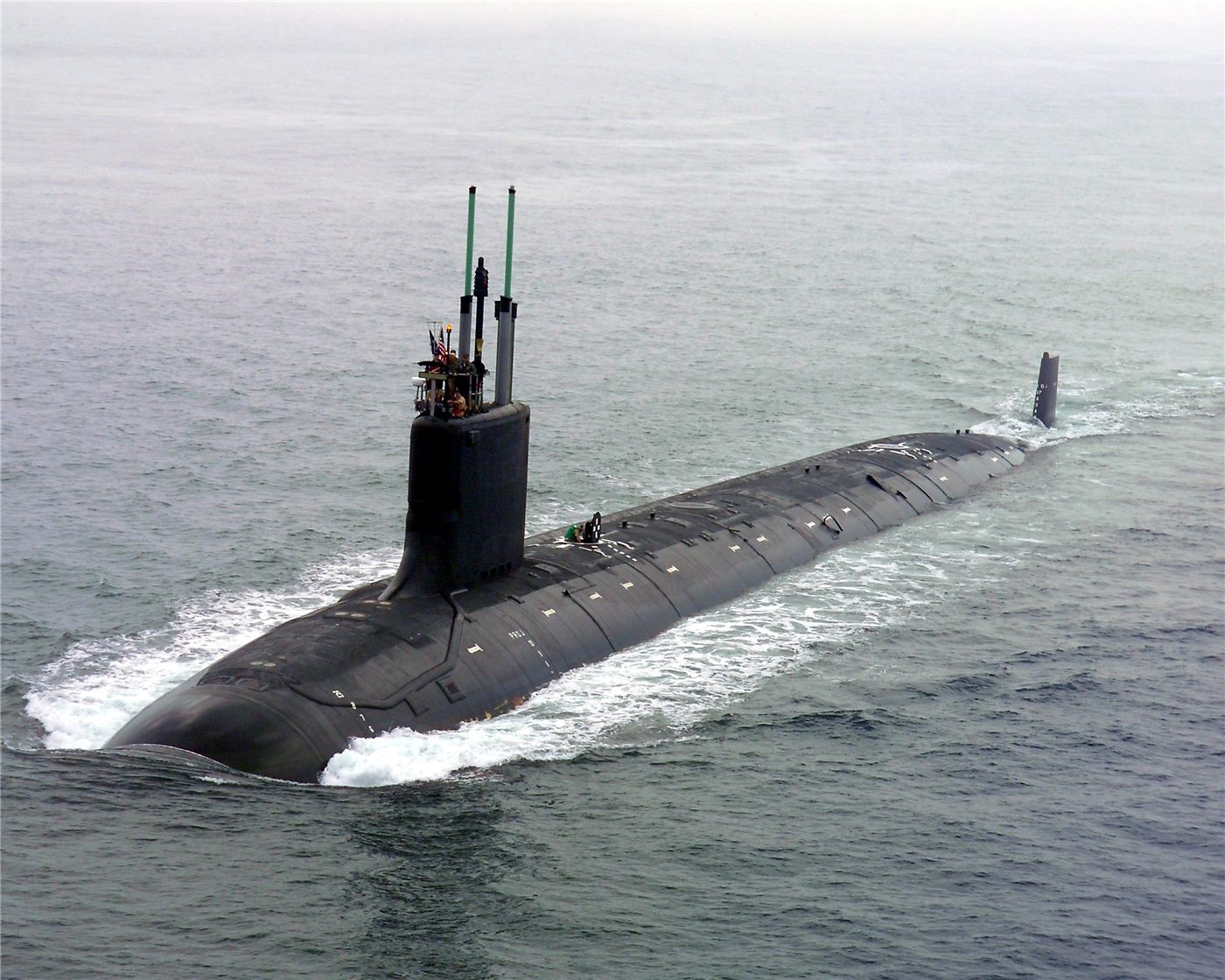
The domestic division of labor in naval shipbuilding, with HD Hyundai Heavy Industries in surface ships and Hanwha Ocean in submarines, is breaking down. The two are competing directly in a Philippine submarine program and a Thai frigate program, each pushing into the other's territory.
The Philippine Navy's plan to acquire two diesel-electric submarines is worth about $1.5 billion, roughly 1.6 trillion won. HD Hyundai Heavy Industries and Hanwha Ocean both entered, and France's Naval Group joined with a Scorpene-class offer and a financing package.
광고 문의 · 300×250Hanwha Ocean put forward a design descended from technology proven in Korean Navy service, displacing 2,800 to 3,000 tons with lithium-ion batteries and air-independent propulsion to extend submerged endurance. A plan to modernize the Subic Bay shipyard is seen as HD Hyundai's key play.
In Thailand, Hanwha Ocean was selected as the final contractor to build one frigate. The Thai Navy suspended signing under provisions of its procurement law, however, and the ceremony has been postponed after objections from unsuccessful bidders.
Some worry that competition between firms from the same country weakens bargaining power; others argue it sharpens technology and pricing. That tension is why calls for government-level coordination keep surfacing.
Naval exports are decided less by contract value than by follow-on logistics support and local industrial cooperation terms. Because these programs carry 30 years of maintenance and parts supply, buyers weigh a yard's durability and its willingness to transfer technology.