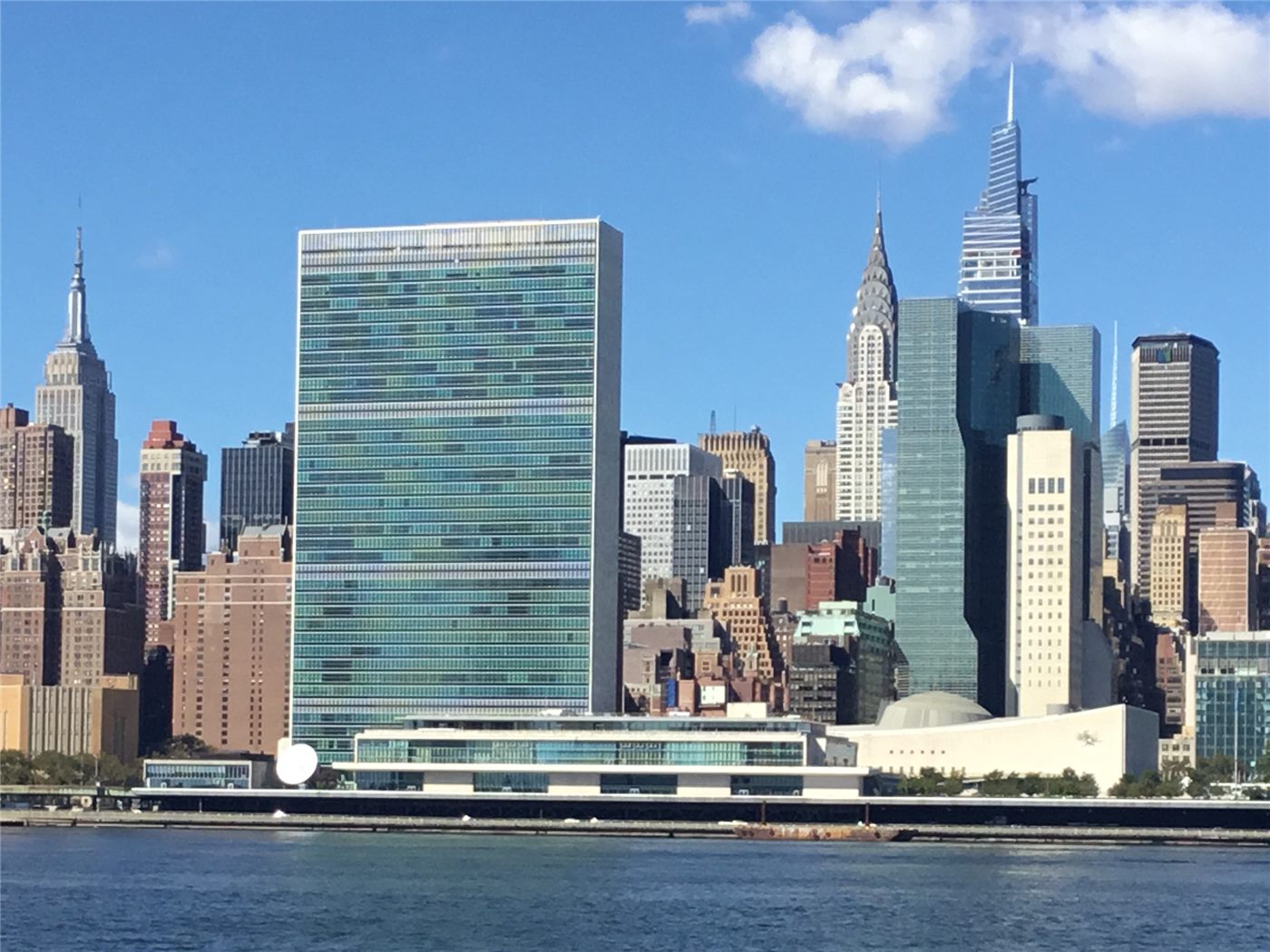
Japanese Prime Minister Takaichi will travel to the United States on Sept. 21 for the UN General Assembly, with a meeting with President Trump being finalized for Sept. 22 local time. Coming two days before the U.S.-China summit in Washington, the sequence lets Tokyo present its China policy first.
Japanese and American officials are finalizing arrangements for Prime Minister Takaichi to meet President Trump in New York on Sept. 22 local time. Takaichi is scheduled to arrive in the United States on Sept. 21 for the General Assembly.
광고 문의 · 300×250The order of the calendar defines the meeting. Trump holds a summit with Chinese President Xi Jinping in Washington on Sept. 24. Placing a Japan-U.S. meeting two days earlier is read as an effort to ensure Japanese interests are not left out of the U.S.-China agenda.
Items Tokyo is expected to raise include cooperation on export controls toward China, maritime activity in the East China Sea, supply chains covering semiconductors and rare earths, and North Korea. The meeting runs alongside separate multilateral engagements during the Assembly.
Why allied summits cluster around these meetings
Allies requesting their own meetings before or after a U.S.-China summit is not new practice. When a large negotiation produces agreement, the details can cut against allied industrial and security interests. Japan arranged leader-level contacts in a similar sequence in 2019 and 2025.
The pattern is familiar to Seoul as well. Foreign Minister Cho Hyun met the U.S. secretary of state in Washington on Sept. 18, with investment in the United States, Korean Peninsula issues and Hormuz consultations on the agenda. Allies are each securing a channel ahead of the summit.
What needs checking
Results from leader-level meetings emerge in follow-up working talks rather than in statements. Export control cooperation takes shape as product lists and review procedures; supply chain cooperation as investment approvals and subsidy conditions. The measures to watch come a month or two later.
This paper does not equate the imagery of summit diplomacy with results. The order and placement of meetings reveal intent, but outcomes are verified in official gazettes and implementing rules.