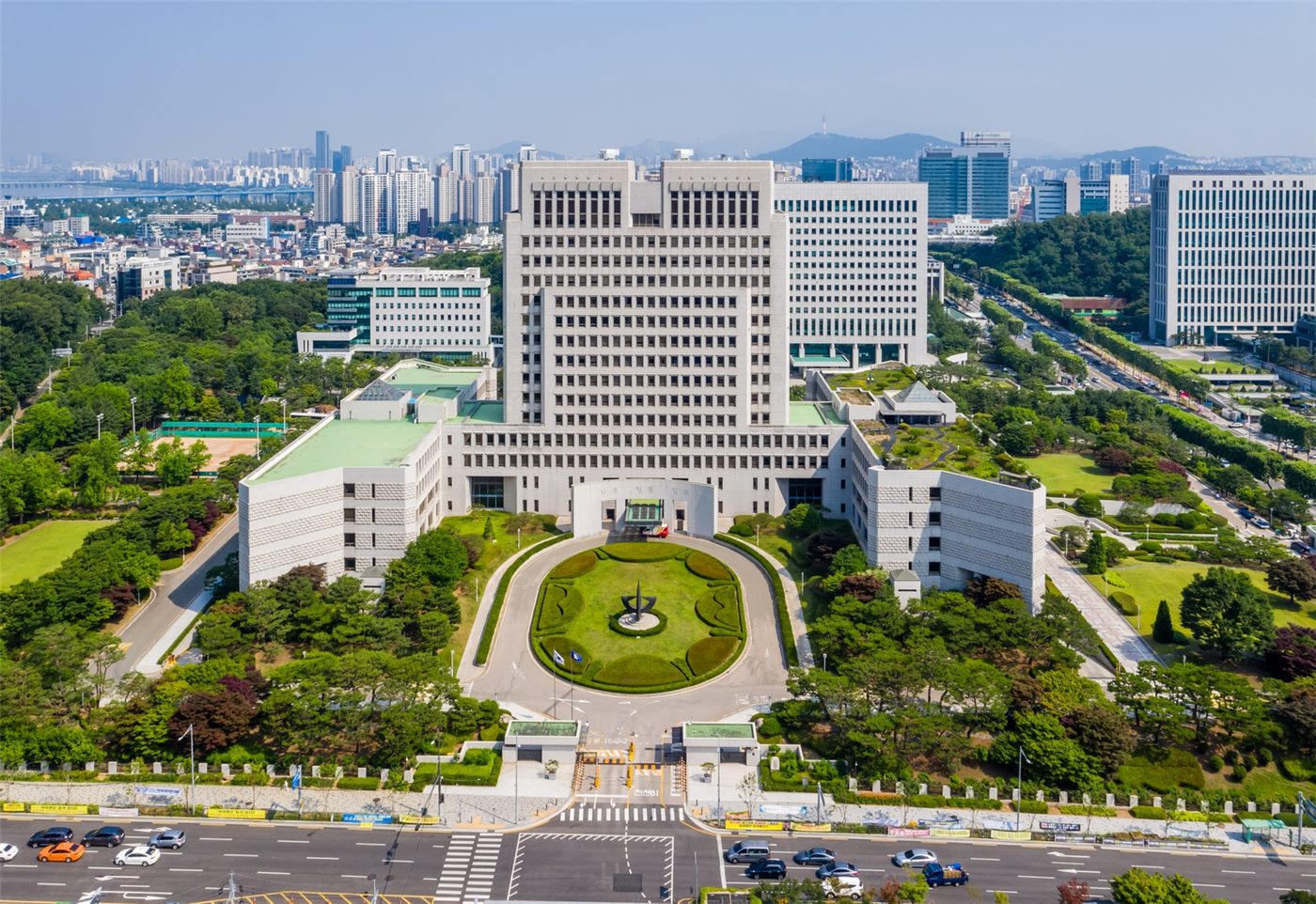
President Lee Jae-myung approved the appointment of Kim Seong-su to the Supreme Court on Sept. 18, the first justice named under the current government. His term runs six years. The National Assembly consented by 227 votes in favor of 268 members present.
The presidential office said on Sept. 18 that President Lee Jae-myung had approved the appointment of Supreme Court justice nominee Kim Seong-su. Kim is the first justice appointed by the current government, with a constitutional term of six years.
광고 문의 · 300×250The parliamentary process moved without major friction. A confirmation hearing was held on Sept. 14, and a special committee adopted its report by bipartisan agreement on Sept. 16. In the Sept. 17 floor vote, 227 of 268 members present voted yes, with 28 against and 13 abstentions.
Kim was born in 1968 in Hampyeong, Jeonnam. He graduated from Inseong High School and Hanyang University's law school, passed the 34th bar examination and completed the Judicial Research and Training Institute as a member of its 24th class.
The clock on the full bench
A vacancy on the court directly affects the schedule of the full bench, which convenes all justices for cases that change precedent or carry wide social consequences. Courts customarily defer such cases while a seat is empty. Observers expect deferred matters to be rescheduled now that the seat is filled.
It is hard to argue that a single justice decides outcomes. The full bench rules by majority, and individual positions vary by the issues in each case. Some caution that predicting a directional shift immediately after an appointment is premature.
What it means for ethnic Chinese residents
Supreme Court precedent bears directly on the lives of foreign residents. Lower courts follow it in disputes over residence status and permanent residency, nationality, inheritance and family relations, leases and employment contracts. Recurring problems in Chinese-Korean households, such as inheritance, property title and recognition of foreign schooling, turn on how precedent is read.
This paper notes that the process concluded by bipartisan agreement. That a judicial appointment did not become material for political confrontation is itself an indicator of institutional stability.