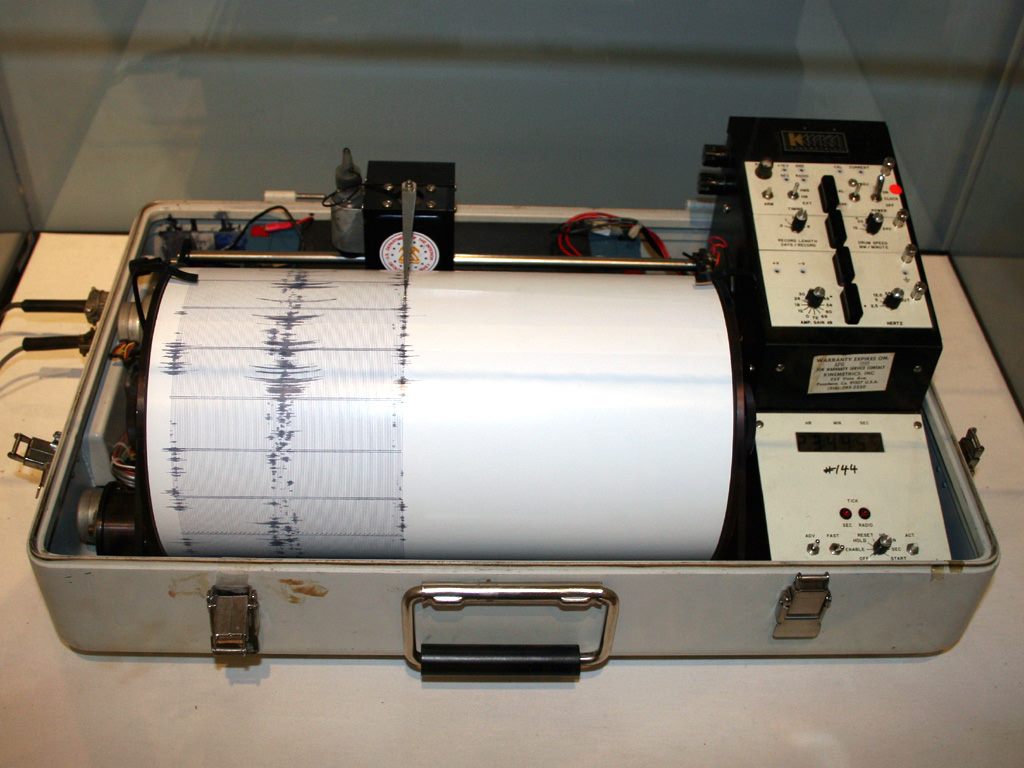
A study in the journal Science reports 1,399 local earthquakes detected around Mount Mantap in North Korea between 2008 and 2025. Both the frequency and the magnitude of events rose after the sixth nuclear test in 2017 and have continued for years.
A team led by Professor Kim Kwang-hee of Pusan National University, working with researchers at Chengdu University of Technology in China, published a joint paper in Science analyzing seismic activity around North Korea's Punggye-ri test site.
광고 문의 · 300×250The researchers reanalyzed seventeen years of seismic records gathered in South Korea and northeastern China. They identified 1,399 local earthquakes around Mount Mantap between 2008 and 2025, far more than existing catalogs listed.
The timing is distinct. Activity began rising roughly three weeks after the sixth nuclear test in 2017, and both the number and the size of events continued to increase through 2025.
The team attributes the pattern to the underground tests disturbing what they describe as dormant faults in the area, producing earthquakes that recur over a long period. The movement follows from a redistribution of stress rather than the shock of the blast itself.
What makes the case unusual is its persistence. At the Nevada site in the United States and the former Soviet site at Semipalatinsk, small quakes and collapses after tests subsided within days or weeks. At Punggye-ri the activity has carried across years.
The findings point to a need for long-term observation of residents, groundwater and geology around the site. The paper does not directly address whether radioactive material has escaped.
Seismic data can be collected from outside a country's borders, making it a rare window into conditions in a closed area. That is part of why the team combined observation-network records from both Korea and China.