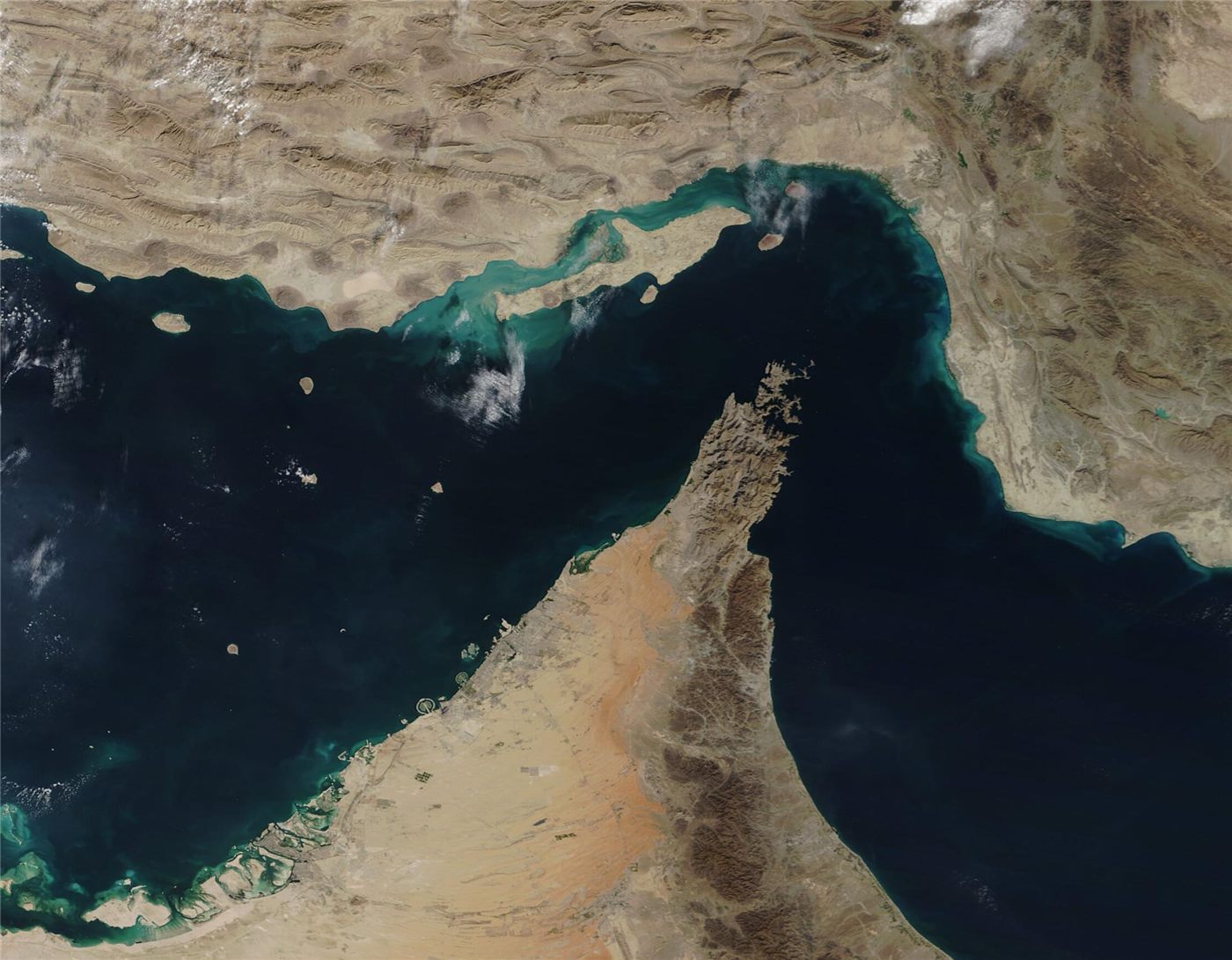
The first vice foreign minister told a National Assembly committee that measures related to the Strait of Hormuz remain under deliberation. The government is weighing contributions that include materiel support as well as personnel, and the foreign ministers of Korea and the United States are to meet on Sept. 18.
First Vice Foreign Minister Park Yoon-joo told a full session of the National Assembly's Foreign Affairs and Unification Committee on Sept. 17 that measures concerning the Strait of Hormuz were "still under deliberation," with internal review continuing on specific options.
광고 문의 · 300×250Park said that while the word "deployment" is commonly used at home, what the government discusses with the international community is in substance a "contribution," and that it has been reviewing what contribution is possible toward restoring regional stability.
Foreign Minister Cho Hyun said Korea would join international cooperation with national safety and freedom of navigation in the strait as priorities. The ministry used the phrasing that it weighs the stability of navigation over the bilateral relationship as such.
Options discussed inside the government include, besides sending vessels, support in fuel, medical care and maintenance, intelligence sharing, and cooperation in escorting commercial ships. The National Security Council converted its session that day to a written procedure.
There are differences of tone within the governing party as well, between those who want the scope framed as a contribution because of the political weight the word deployment carries, and those who argue an allied request deserves a clear answer.
Religious groups voiced opposition, arguing that even a non-combat mission carries risk to life. Debate in the Assembly has centered on how to define the nature, duration and rules of engagement of any mission.
Cho is scheduled to meet U.S. Secretary of State Marco Rubio on Sept. 18. The Hormuz question is expected to appear alongside the broader diplomatic and security agenda.
A substantial share of Korean shipping passes through the Strait of Hormuz. Crude oil and liquefied natural gas imports are concentrated on that route, which ties navigational safety directly to domestic energy prices.