Korea and Central Asian states are discussing expanded cooperation that pairs technology with resources, against a backdrop of efforts to diversify critical-mineral supply chains.
Discussion continues between Korea and Central Asian states on expanding cooperation that combines technology and resources — an idea that links Korean manufacturing and construction capacity with Central Asian minerals and energy.
광고 문의 · 300×250The five Central Asian states hold mineral resources including lithium, uranium and rare earths. Kazakhstan accounts for a significant share of world uranium output, and Uzbekistan of gold and copper.
For Korea the question bears directly on broadening sources of raw material for battery and semiconductor inputs. The need for alternative supply chains is cited most strongly for items heavily dependent on a single country.
Central Asian governments, for their part, are seeking to move beyond exporting resources as raw ore. The policy direction of attracting local processing and smelting to retain added value is clear.
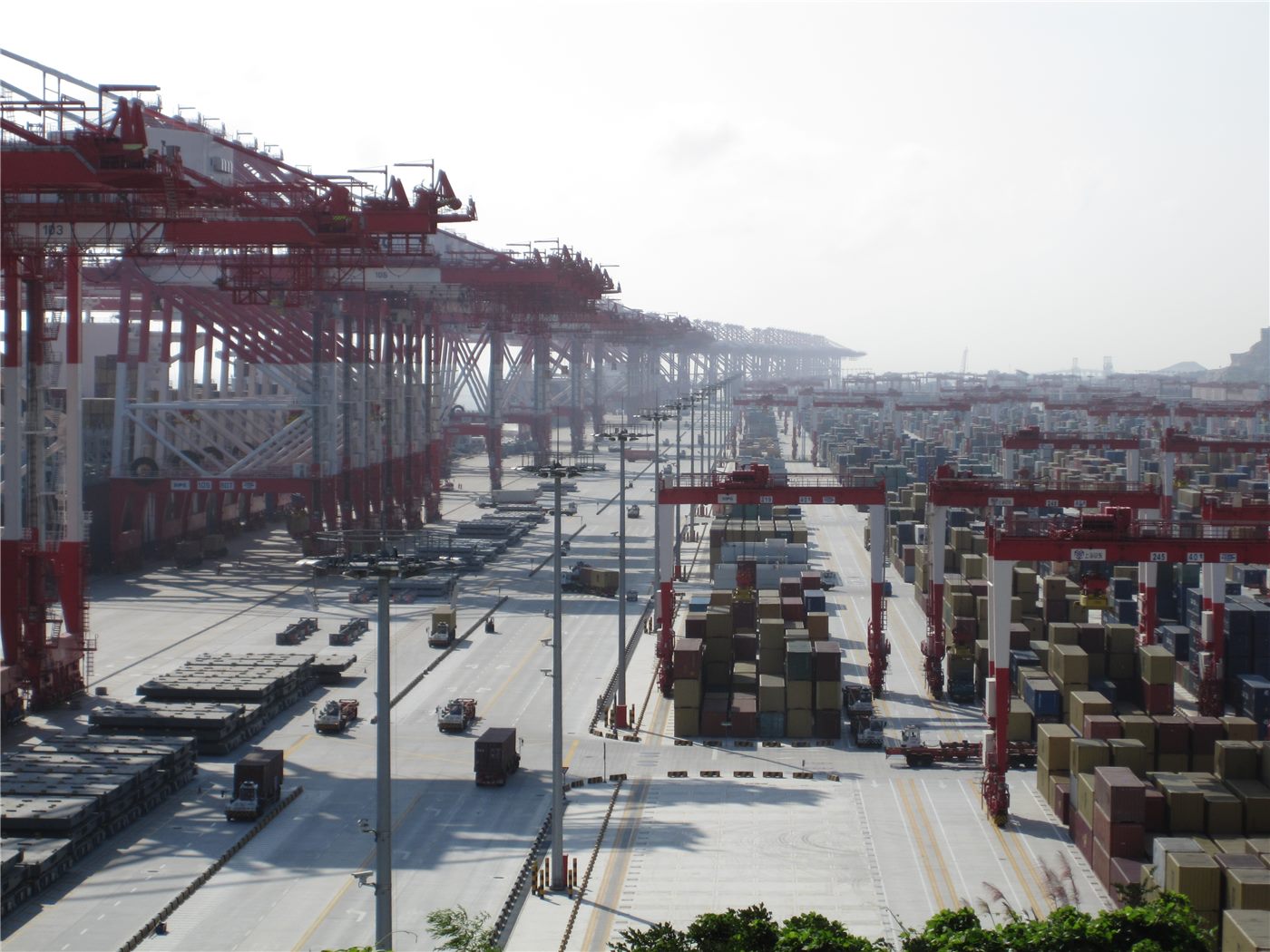
Logistics is cited as the main obstacle. Many of the countries are landlocked, with no direct access to sea routes, and overland corridors are affected by conditions in transit states.
Differences in financing and contracting practice are a further practical issue. Long-horizon resource projects have extended payback periods, and how to design risk-sharing for currency and policy shifts is seen as decisive.
The phrase 'new Silk Road' indicates the direction of the idea, but actual results are confirmed by groundbreaking and operation of individual projects. Narrowing the gap between memoranda and execution remains the task. (Source: Korean press reports)