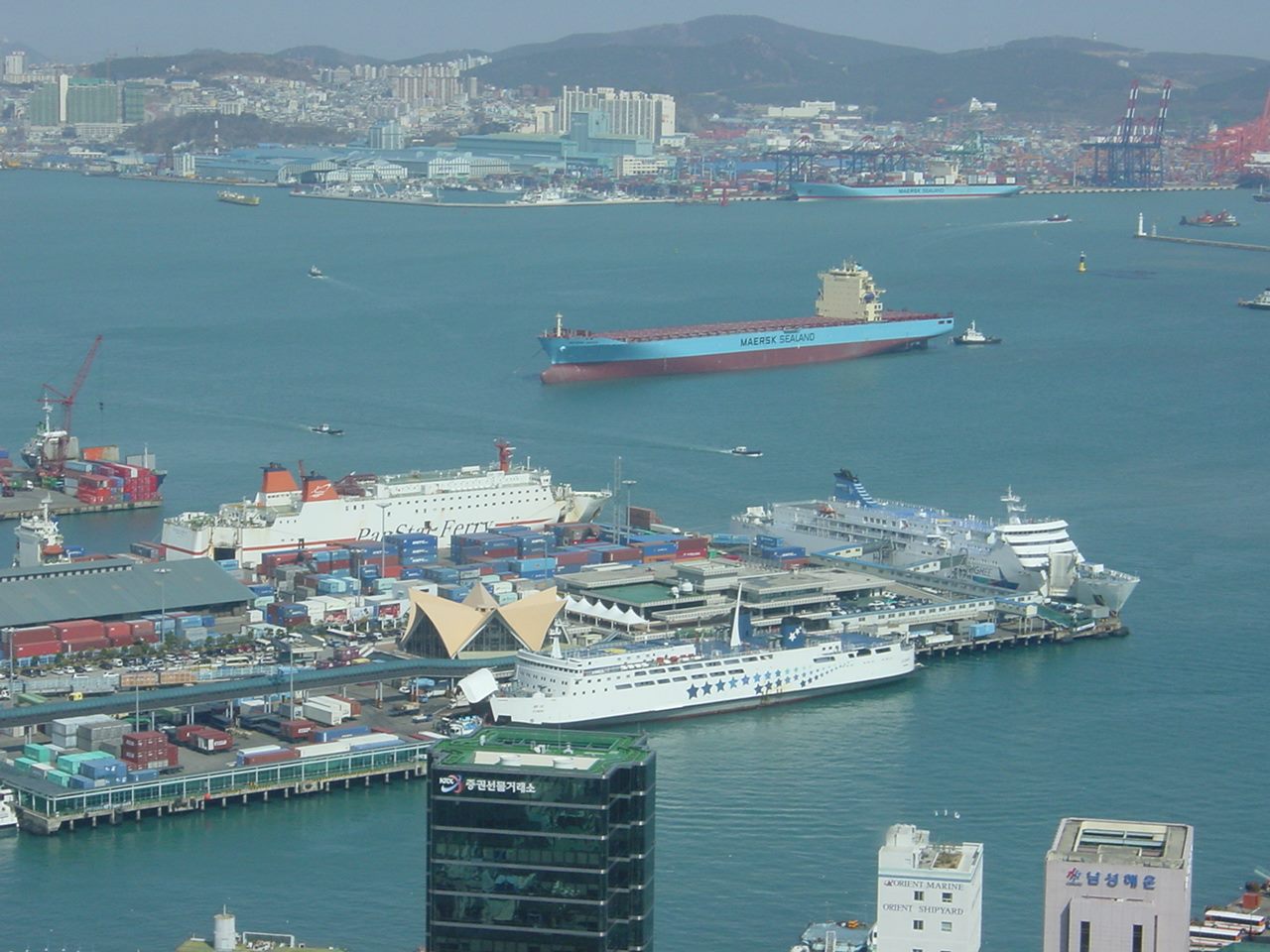
President Lee Jae-myung said on Sept. 12 that he supports efforts to open the Arctic shipping route and would bring forward his vision of Busan as a maritime capital, Kyunghyang Shinmun reported. Discussion has continued as climate change lengthens the navigable season.
President Lee Jae-myung expressed support on Sept. 12 for efforts to open the Arctic shipping route and said he would advance the timetable for realizing Busan as a maritime capital, Kyunghyang Shinmun reported.
광고 문의 · 300×250The Arctic route links Northeast Asia and Europe along Russia's northern coast. It sharply shortens sailing distance compared with the existing route through the Suez Canal, but the ice season and the cost of icebreaker support act as variables.
As climate change lengthens the summer navigable window, shipping lines and port authorities in several countries have continued their assessments. Much of the groundwork for commercial operation, including insurance pricing, rescue arrangements and bunkering points, remains unsettled.
Busan ranks among the world's leading ports by transshipment volume. Should the Arctic route develop in earnest, its position in competition for Northeast Asian transshipment hubs could shift, observers say.
The maritime capital concept has been discussed as bundling port infrastructure with shipping finance, vessel registration and marine research functions. The relocation of related agencies and the sharing of local fiscal burdens have been recurring points of contention.
Separately from route development, the government has expanded Arctic research and survey activity. Operating icebreaking research vessels and accumulating polar observation data are presented as medium- to long-term tasks.
The pace at which commercial sailings actually expand is likely to hinge on international conditions and the judgment of the insurance market, since a long stretch of the route passes through waters under one state's jurisdiction.