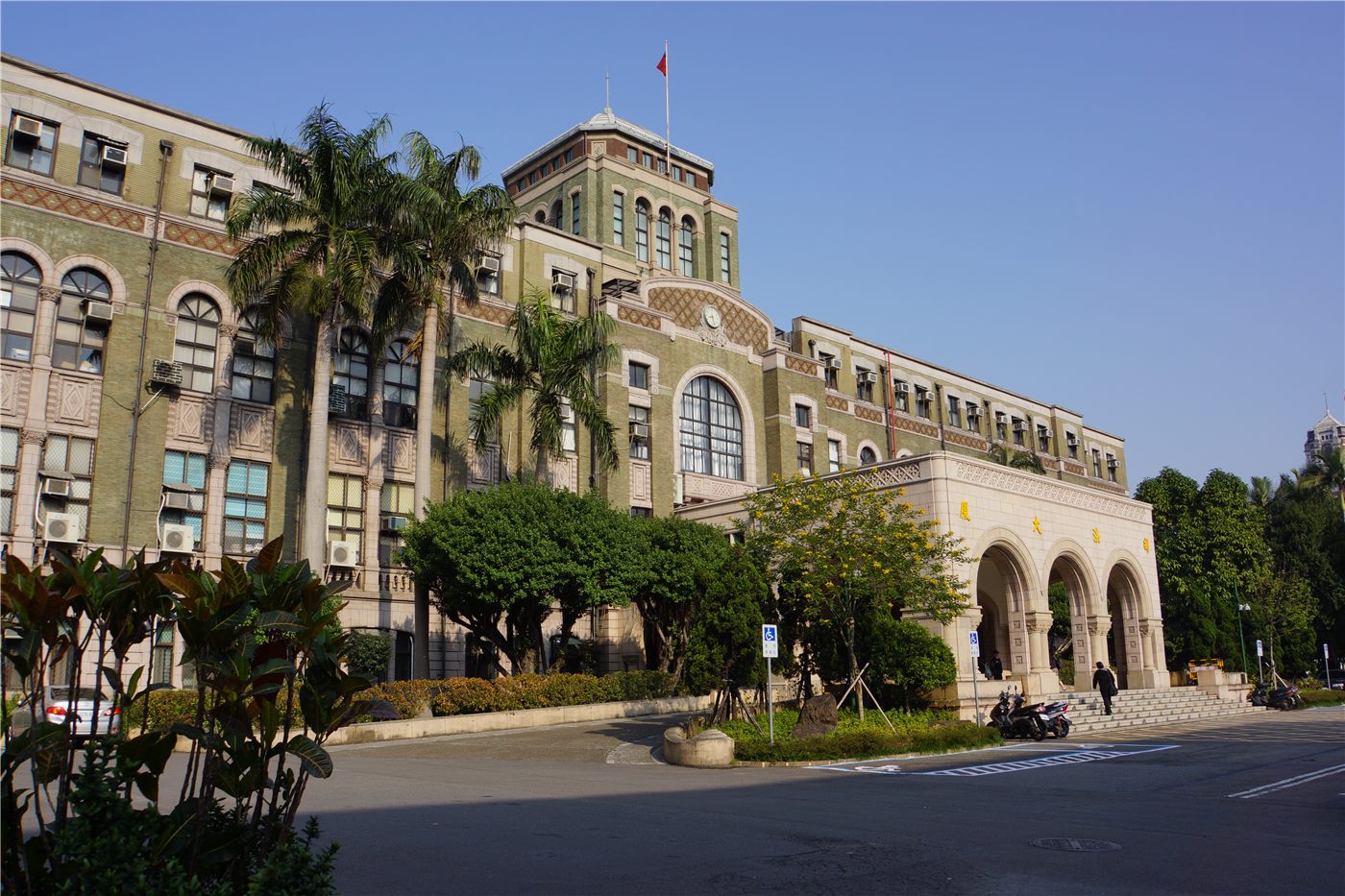
The restructuring of Korea's prosecution service, which reorganises the Supreme Prosecutors' Office framework, moves into its implementation phase in September. How a structure separating investigation from charging works in actual case handling is the point to watch over coming months.
The prosecution restructuring moves into implementation with the arrival of September. The work of translating the framework set by legislation into actual organisation and staffing now begins.
광고 문의 · 300×250At its core is the separation of the bodies responsible for investigation and for bringing charges. Dividing two functions that previously ran on within a single institution is meant, in the stated rationale, to create checks and balances.
The intent of a system and its operation on the ground are different matters, however. Detailed working rules on transferring case files, deadlines for handling supplementary investigation requests, and consultation between the two bodies must be in place if delays are to be avoided.
Legal practitioners warn that processing times may lengthen temporarily during the transition. Since this has recurred with each reorganisation, the diagnosis is that the question is not whether delays occur but how large and how long.
For foreign residents, continuity of procedural guidance matters. When the responsible agency changes, so do inquiry desks and filing points; anyone with a case in progress would do well to confirm which body is handling it.
This paper plans to follow up once post-reorganisation processing statistics and guidance systems can be verified.