華橋時報
광고 문의 · 728×90
중국

중국 8월 제조업 PMI 49.8%… 전월 대비 0.6%p 상승

중국 국가통계국이 8월 제조업 구매관리자지수(PMI)를 49.8%로 발표했다. 전월보다 0.6%포인트 오르며 경기 수준이 회복 흐름을 보였다. 생산지수와 신규주문지수는 나란히 50%를 넘어섰다.
이문창 기자 · 2026.09.01
중국
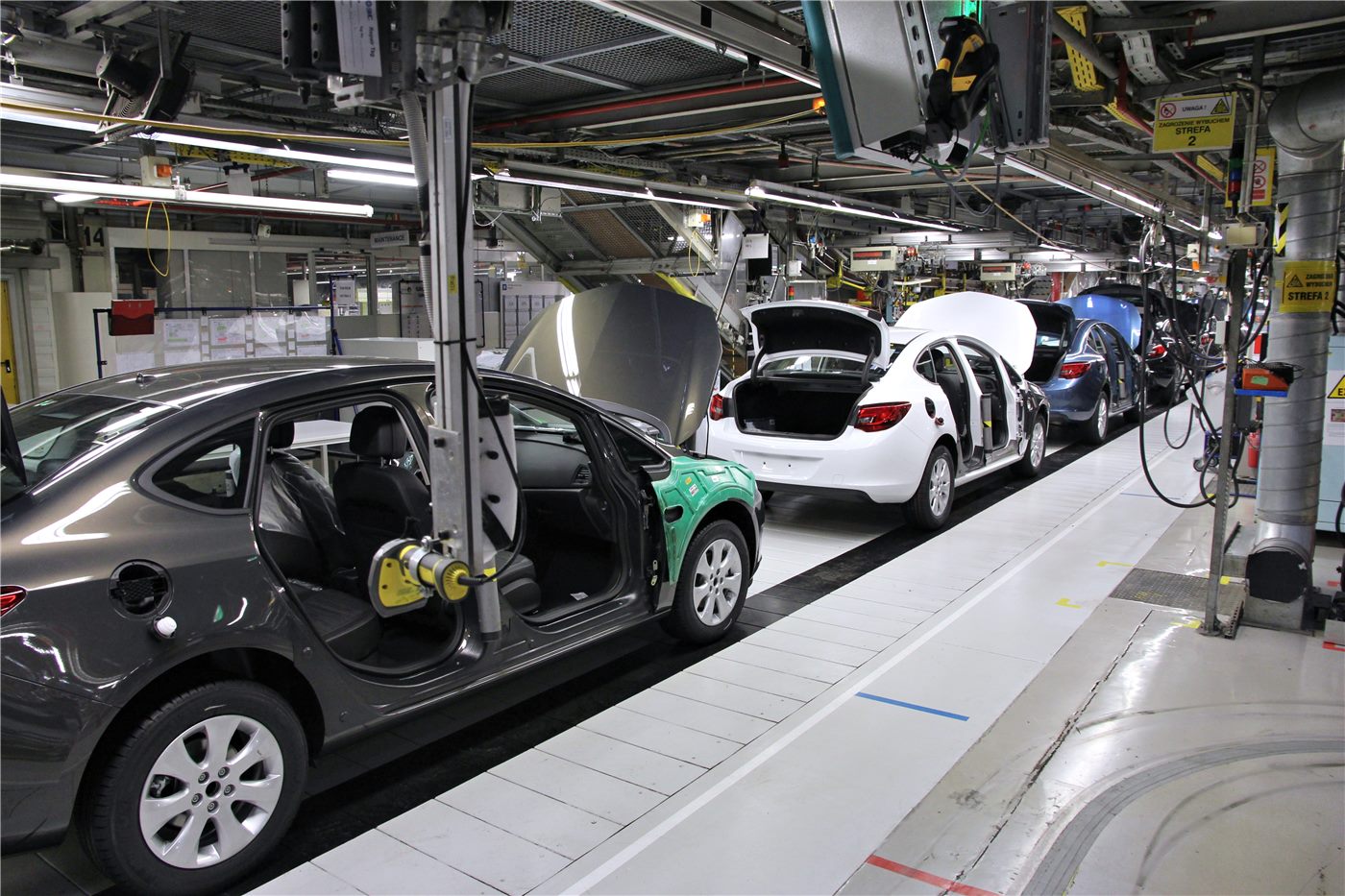
사진=Wikimedia Commons (자유 라이선스) · 기사 주제 관련 이미지

중국 국가통계국이 8월 31일 발표한 8월 제조업 구매관리자지수(PMI)는 49.8%로, 전월 대비 0.6%포인트 상승했다. 기준선인 50% 아래에 머물렀지만 상승 폭은 최근 몇 달 가운데 큰 편에 속한다.

광고 문의 · 300×250

세부 지표를 보면 제조업 생산지수는 50.4%, 신규주문지수는 50.6%로 각각 전월보다 0.5%포인트, 2.1%포인트 올랐다. 두 지수가 모두 확장 국면인 50%를 넘어선 것은 생산과 시장 수요가 함께 늘었다는 뜻이다.

신규주문지수의 2.1%포인트 상승은 이번 발표에서 가장 눈에 띄는 대목이다. 수요 쪽 지표가 생산보다 큰 폭으로 개선되면 재고 조정이 마무리 국면에 들어갔다는 해석이 따라붙는 경우가 많다.

비제조업 상무활동지수는 49.0%로 전월과 같았다. 종합 PMI 산출지수는 49.5%로 0.2%포인트 올라, 경제 전체의 산출 경기 수준이 다소 개선됐다고 통계국은 설명했다.

PMI는 기업 구매담당자를 상대로 한 설문 기반 지표로, 절대적인 생산량이 아니라 전월 대비 방향성을 보여준다. 50% 아래라도 지수가 오르면 위축 속도가 둔화됐다는 의미로 읽힌다.

한국의 수출 구조는 중국의 제조업 경기와 연동되는 부분이 크다. 중간재와 소재·부품 비중이 높기 때문에, 신규주문지수의 개선은 몇 달의 시차를 두고 한국의 수출 물량에 반영되는 경향이 있다.

재한 화인 무역업자에게도 이 숫자는 발주 시점을 가늠하는 참고 자료다. 다만 월별 PMI는 변동이 잦아 단일 수치로 방향을 확정하기는 어렵고, 몇 달치 흐름을 함께 보는 것이 일반적이다.

中國8月製造業PMI為49.8% 較上月上升0.6個百分點

中國國家統計局公布8月製造業採購經理指數(PMI)為49.8%,較上月上升0.6個百分點,景氣水準呈回升走勢。生產指數與新訂單指數雙雙站上50%。
本報記者 李文昌 · 2026.09.01
중국
圖=Wikimedia Commons(自由授權)· 與報導主題相關

中國國家統計局於8月31日公布,8月製造業採購經理指數(PMI)為49.8%,較上月上升0.6個百分點。雖仍低於50%榮枯線,惟上升幅度在近數月中屬較大者。

광고 문의 · 300×250

細項方面,製造業生產指數為50.4%、新訂單指數為50.6%,分別較上月上升0.5個與2.1個百分點。兩項指數同時站上代表擴張的50%,意味生產與市場需求同步增加。

新訂單指數上升2.1個百分點,為本次公布中最受注目之處。需求端指標改善幅度大於生產端時,往往伴隨庫存調整已進入尾聲的解讀。

非製造業商務活動指數為49.0%,與上月持平。綜合PMI產出指數為49.5%、上升0.2個百分點,統計局說明經濟整體產出景氣水準有所改善。

PMI係以企業採購負責人為對象的問卷指標,顯示的並非絕對產量,而是相對上月的方向性。縱使低於50%,指數上升即可解讀為萎縮速度趨緩。

韓國的出口結構與中國製造業景氣連動之處甚多。由於中間財與素材零組件比重偏高,新訂單指數的改善往往在數月時差後反映於韓國的出口數量。

對在韓華人貿易業者而言,此一數字亦為判斷下單時點的參考。惟月別PMI波動頻繁,難以單一數值斷定方向,一般宜併看數月走勢。

中国8月制造业PMI为49.8% 较上月上升0.6个百分点

中国国家统计局公布8月制造业采购经理指数(PMI)为49.8%,较上月上升0.6个百分点,景气水准呈回升走势。生产指数与新订单指数双双站上50%。
本报记者 李文昌 · 2026.09.01
중국
图=Wikimedia Commons(自由授权)· 与报导主题相关

中国国家统计局于8月31日公布,8月制造业采购经理指数(PMI)为49.8%,较上月上升0.6个百分点。虽仍低于50%荣枯线,惟上升幅度在近数月中属较大者。

광고 문의 · 300×250

细项方面,制造业生产指数为50.4%、新订单指数为50.6%,分别较上月上升0.5个与2.1个百分点。两项指数同时站上代表扩张的50%,意味生产与市场需求同步增加。

新订单指数上升2.1个百分点,为本次公布中最受注目之处。需求端指标改善幅度大于生产端时,往往伴随库存调整已进入尾声的解读。

非制造业商务活动指数为49.0%,与上月持平。综合PMI产出指数为49.5%、上升0.2个百分点,统计局说明经济整体产出景气水准有所改善。

PMI系以企业采购负责人为对象的问卷指标,显示的并非绝对产量,而是相对上月的方向性。纵使低于50%,指数上升即可解读为萎缩速度趋缓。

韩国的出口结构与中国制造业景气连动之处甚多。由于中间财与素材零组件比重偏高,新订单指数的改善往往在数月时差后反映于韩国的出口数量。

对在韩华人贸易业者而言,此一数字亦为判断下单时点的参考。惟月别PMI波动频繁,难以单一数值断定方向,一般宜并看数月走势。

China's August Manufacturing PMI Comes In at 49.8%, Up 0.6 Points

China's National Bureau of Statistics reported an August manufacturing purchasing managers' index of 49.8 percent, up 0.6 percentage points from July and pointing to a recovering activity level. Production and new orders sub-indices both moved above 50.
By Lee Mun-chang · 2026.09.01
중국
Photo: Wikimedia Commons (free license), related to the topic

The manufacturing purchasing managers' index for August, released by China's National Bureau of Statistics on Aug. 31, came in at 49.8 percent, up 0.6 percentage points from the previous month. It stayed below the 50-percent threshold, but the gain was among the larger ones of recent months.

광고 문의 · 300×250

Within the detail, the production sub-index stood at 50.4 percent and new orders at 50.6 percent, up 0.5 and 2.1 percentage points respectively. Both crossing the expansionary 50 mark indicates that output and market demand rose together.

The 2.1-point jump in new orders is the most striking item in the release. When demand-side indicators improve faster than production, the reading is often that inventory adjustment has entered its final phase.

The non-manufacturing business activity index was unchanged at 49.0 percent. The composite PMI output index rose 0.2 points to 49.5 percent, which the bureau described as a modest improvement in overall economic output conditions.

The PMI is a survey-based measure of corporate purchasing managers and shows direction relative to the prior month rather than absolute output. Even below 50, a rising index reads as a slowing pace of contraction.

Korea's export structure is closely linked to Chinese manufacturing conditions. Because intermediate goods, materials and components make up a large share, improvement in new orders tends to show up in Korean export volumes after a lag of some months.

For Sinophone traders in Korea, the figure is a reference point for timing orders. Monthly PMI readings fluctuate, however, so a single number rarely settles the direction; the usual practice is to read several months together.

출처·참고 (사실 확인용 — 본문은 직접 재작성)
· https://www.news.cn/20260831/72a2d3b1aa1a4c36967ce8645913bcbd/c.html
광고 문의 · 970×90