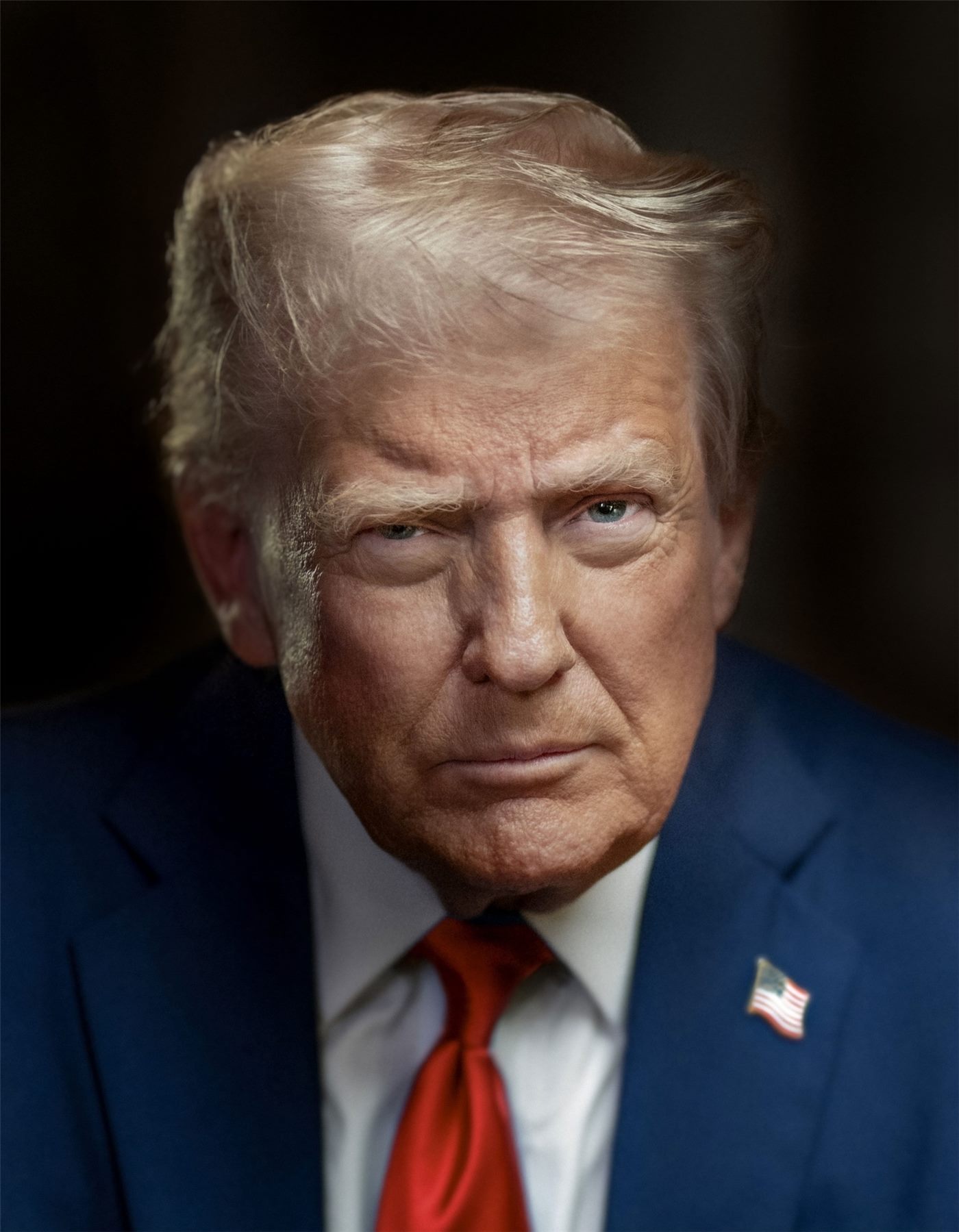
President Donald Trump signed an accord ending the war with Iran. The Pakistan-brokered ceasefire is now formalized, but a USD 300 billion reconstruction fund and nuclear questions remain the chief hurdles to implementation.
President Donald Trump signed an agreement ending the war with Iran, Taiwanese outlets including the Liberty Times and United Daily News, along with China's Huanqiu, reported in unison. The Pakistan-brokered ceasefire framework has been elevated to a formal accord, with Tehran confirming that President Masoud Pezeshkian signed the U.S.-Iran memorandum.
광고 문의 · 300×250What was agreed
The accord centers on ending hostilities, phased sanctions relief, and mobilizing large-scale funds to rebuild Iran. The United Daily News reported that Washington's initial peace proposal includes a USD 300 billion reconstruction fund and stressed it was 'not fake news.' The fund would be established only after final signing, designed as private investment with U.S., Gulf Arab, and Asian firms participating.
Iran had initially sought USD 400 billion in war reparations, but after Washington refused direct compensation the framework shifted to a private fund. Money is expected to flow first into energy, logistics, manufacturing, and transport.
The nuclear question remains
Even with the signing, disposal of Iran's highly enriched uranium stockpile, a verifiable nuclear freeze, and the ballistic-missile issue were deferred to follow-on technical talks. Huanqiu cited Pakistan's prime minister as saying the memorandum takes effect immediately and technical-level meetings will begin shortly.
There are military signals too. The Liberty Times reported that after Trump signed the accord, China's PLA refrained from dispatching military aircraft around Taiwan for four straight days, as easing Middle East tension rippled into regional activity.
A third perspective
Iranian state media frame the accord as a 'fruit of resistance,' while parts of the U.S. Congress and Israel warn of the risks of an unverified deal. European diplomats hold that without a measurable nuclear freeze, the accord could unravel. This newspaper lays out each view side by side rather than endorsing one.
The implications reach the Korean Peninsula and East Asia. If Middle East risk recedes, oil prices and shipping may stabilize—a direct variable for energy-import-dependent Korea and for the cost structure of Chinese-run small businesses there.