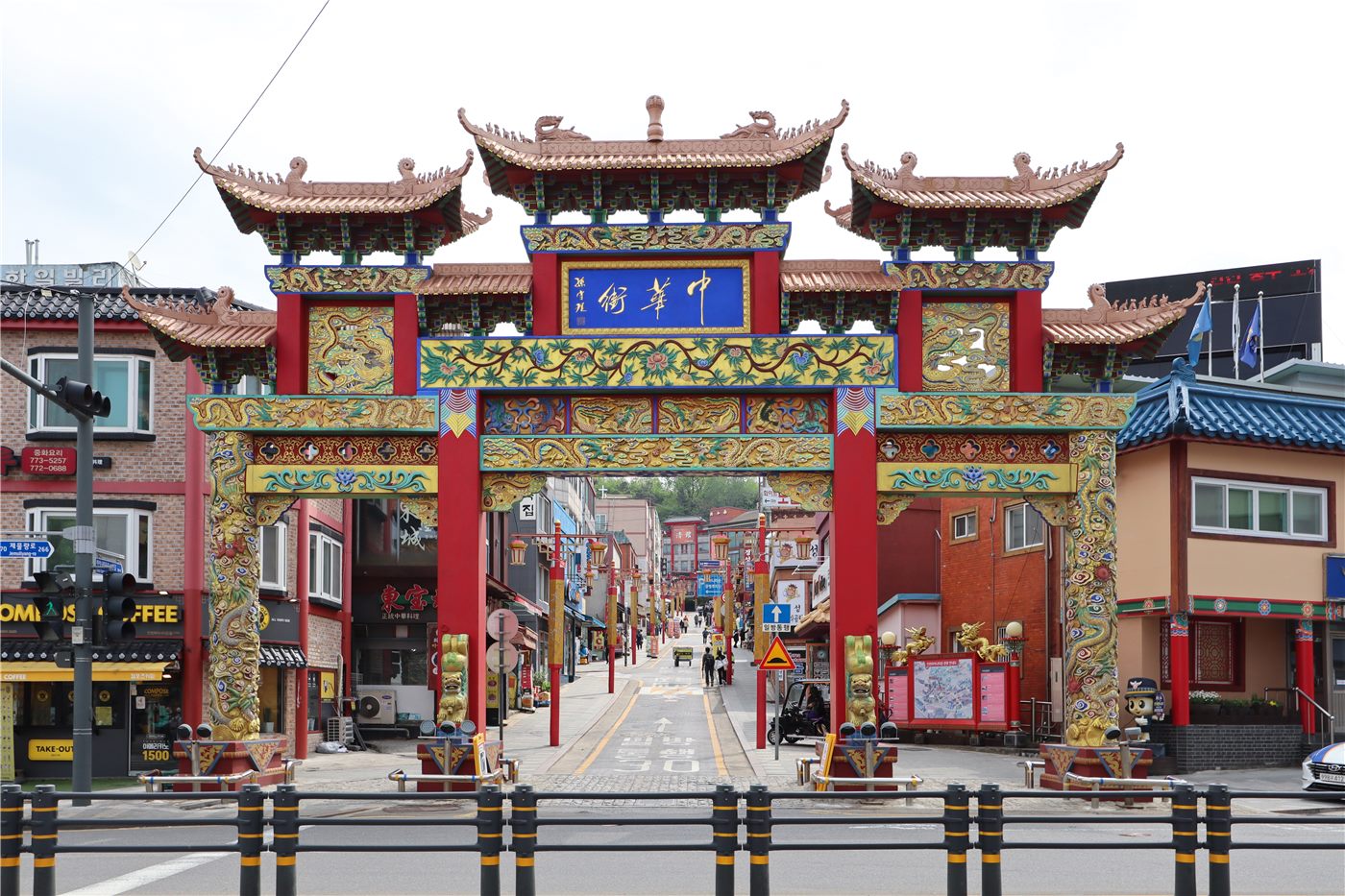
Card spending by foreign tourists visiting Korea topped KRW 2 trillion for the first time in May. The tourism recovery is bringing warmth to Chinese-run business districts such as the Chinatowns of Incheon and Seoul.
The Chosun Ilbo reported that foreign tourists' domestic spending in May 2026 exceeded KRW 2 trillion for the first time. On a foreign card-payment basis, monthly spending above KRW 2 trillion is a first, read as a sign that Korea's tourism industry has entered a genuine recovery phase.
광고 문의 · 300×250What lifted spending
Alongside more visitors, higher per-capita spending drove the increase. Beyond traditional duty-free and shopping, expenditure clearly diversified into food, experiences, and regional travel. A weaker won also raised foreigners' purchasing power, stimulating spending.
Among visitor nationalities, the share of Chinese-speaking tourists remains large. Travelers from mainland China and from Taiwan, Hong Kong, and Southeast Asia's Chinese communities are widening their spending into Hallyu-linked tourism and medical and beauty tourism.
Impact on Chinese-run districts
Rising tourist spending links directly to sales in Chinese-dense districts such as Incheon's Chinatown and Seoul's Daerim and Jayang areas. Chinese-speaking tourists tend to prefer districts with high language and food familiarity, so recovery's benefits often reach these self-employed merchants first.
Yet recovery is not even across sectors. With currency and price swings and rent burdens acting together, there is caution that higher sales may not translate immediately into better profits.
A third perspective
On the upbeat data, Korea's government sees a policy result, industry sees the start of recovery, and some experts see a possibly temporary effect resting on currency. This newspaper presents the indicator's meaning from multiple angles, helping Korea's Chinese merchants read and prepare for the trend.