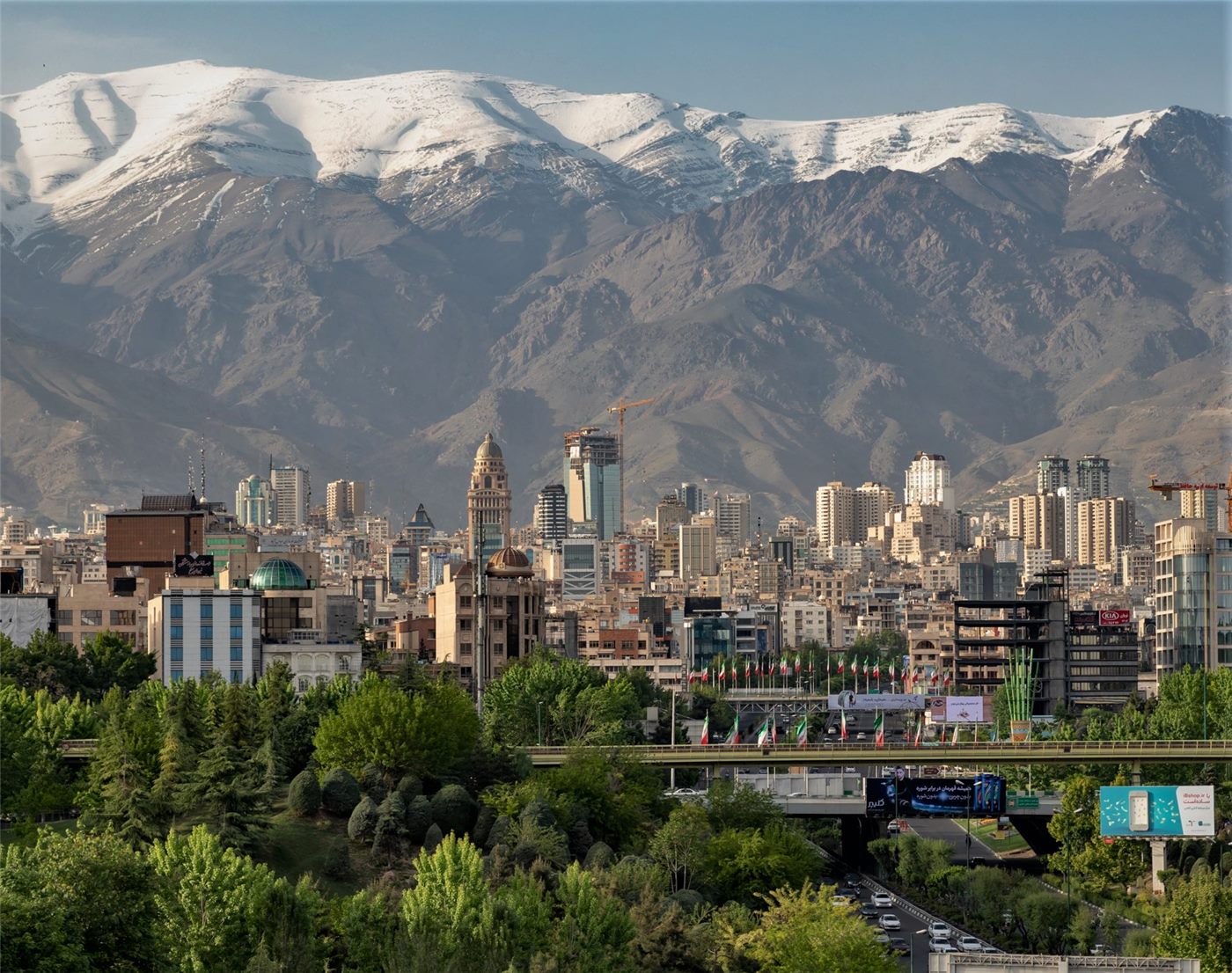
Washington and Tehran have moved beyond an initial ceasefire deal into what officials describe as phase-two negotiations. Nuclear disposal, sanctions relief, and a reconstruction fund headline a complex agenda.
The United States and Iran moved into a second round of formal negotiations after agreeing to extend a 60-day ceasefire. Pakistan-brokered talks are focused on a permanent end to hostilities, with Reuters reporting that Geneva is the primary venue.
광고 문의 · 300×250Nuclear programme is the central sticking point
Iran holds roughly 440 kilograms of uranium enriched to 60 percent purity, and what to do with that stockpile is the thorniest item on the table, NPR reported. Washington demands a full freeze on nuclear activities; Tehran insists on retaining civilian nuclear capacity, leaving a wide gap.
PBS NewsHour noted that both sides are simultaneously tackling freedom of navigation through the Strait of Hormuz, Iran's ballistic missile programme, a timetable for sanctions relief, and a long-term peace framework — an agenda whose complexity signals a protracted road ahead.
The Trump administration initially demanded something close to Iran's unconditional surrender before Pakistan arranged a conditional ceasefire. Phase two covers nuclear and sanctions issues, with a separate framework for longer-term security arrangements to follow, according to the UK House of Commons Library.
Reconstruction fund and regional participation
Talks have also surfaced a proposal for a USD 300 billion private investment fund to rebuild Iran. Reuters reported that companies from the United States, Gulf Arab states, Asia, South America, and Africa have indicated willingness to contribute; the fund would be established only after a final deal is signed.
Investments are expected to focus on energy, logistics, manufacturing, and transport. Iran initially sought USD 400 billion in war reparations, but after Washington refused, the framework shifted to private investment, U.S. News reported.
The outlook remains uncertain. Parts of the U.S. Congress remain firmly opposed to any deal with Iran, Israel is watching the outcome closely citing security concerns, and analysts warn that durable peace is elusive without a broader regional security realignment.
A third perspective
Iranian state media frame the talks as a vindication of resistance against U.S. aggression; American conservatives warn any concession is dangerous. European diplomats question whether any deal without verifiable denuclearization can hold. This newspaper presents each view side by side rather than endorsing any single reading.