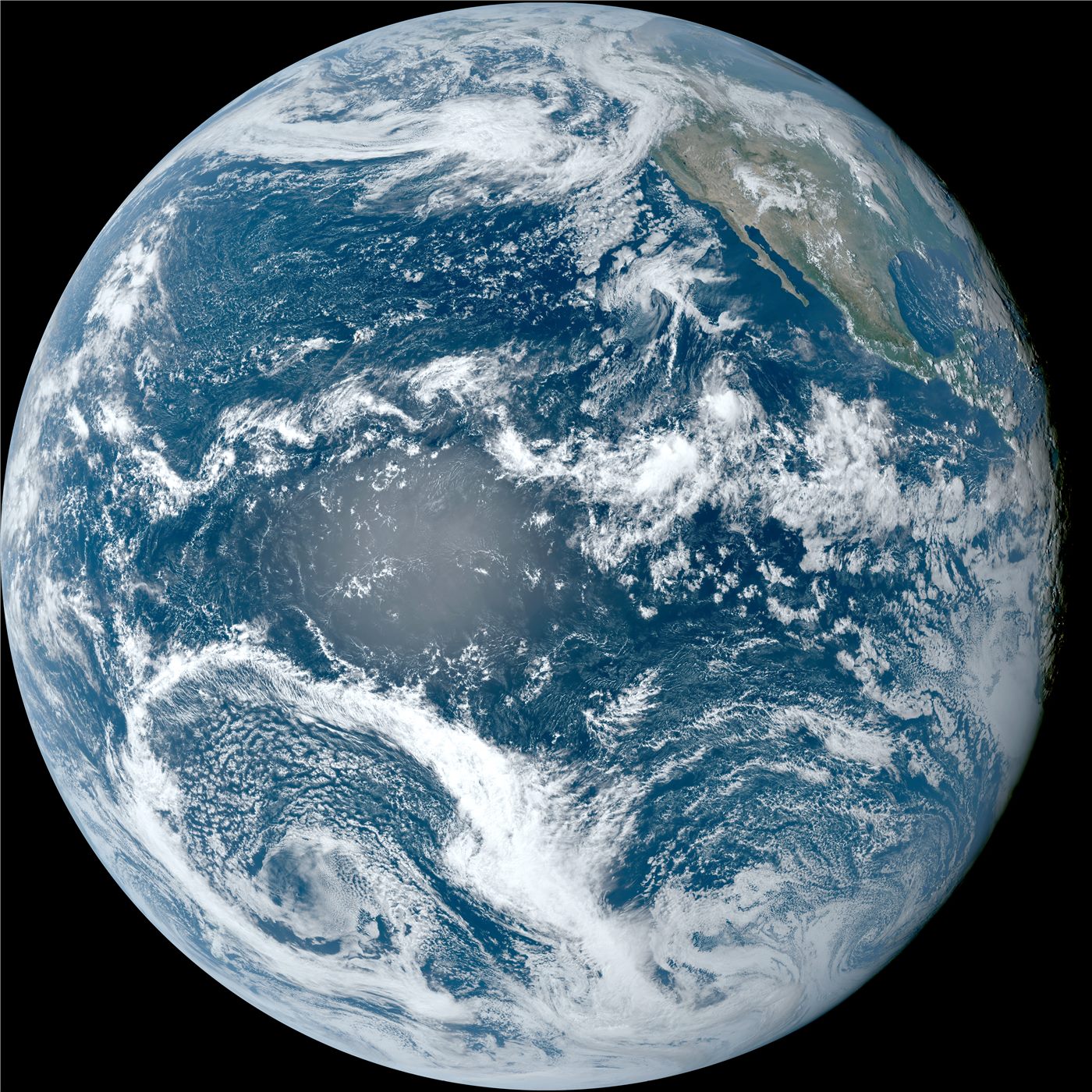
A tropical disturbance may develop over the western Pacific around the Dragon Boat Festival holiday, while strengthening Pacific high pressure pushes Taiwan into full summer mode from this weekend. Weather authorities are closely monitoring the potential tropical depression.
A tropical disturbance is showing signs of development in the northwestern Pacific around the Dragon Boat Festival holiday (June 19-21), Taiwan weather experts said.
광고 문의 · 300×250According to analyses by meteorologist Lin De-en and others, disturbance signals could be detected from Thursday (June 18), with international models estimating roughly a 50 percent chance that it develops into a tropical depression or typhoon, currently referred to as Mikela.
The projected path is parabolic, curving toward southern Japan or ocean areas to its south, and the current assessment finds limited direct impact on Taiwan. However, early-season tropical systems are prone to track changes, so authorities are continuing to monitor the latest data.
Pacific high pressure builds; summer arrives in earnest
Separately from the tropical disturbance, expanding Pacific high pressure is pushing Taiwan into a classic hot, humid summer pattern. The Central Weather Administration (CWA) forecasts that afternoon highs in many areas will reach around 35 degrees Celsius from this weekend, with UV indexes at very high levels requiring sun protection.
Southern and eastern areas face elevated risk of afternoon showers due to mountain instability, while the north is expected to stay relatively clear. Researchers predict total typhoon formation in the northwestern Pacific in 2026 will exceed the annual average, and active tropical weather activity is already evident ahead of the main summer season.
Dragon Boat Festival outdoor events affected
Dragon Boat Festival traditionally concentrates dragon boat races and large outdoor events. This year, unsettled weather may coincide with the holiday. Local governments and event organizers have prepared flexible contingency plans, and authorities recommend rechecking the latest forecasts five to seven days before the holiday.
Historical statistics show that typhoons formed in June from 1958 to 2024 accounted for around 6.6 percent of the annual total — less frequent than other summer months, but June typhoon impacts on Taiwan are not without precedent, making precautionary preparation worthwhile.
The CWA updates forecasts every six hours via its website and app, and expects to be able to determine within 24 to 48 hours whether the disturbance will reach typhoon intensity.
Long-term trends pointed to by climate science
Beyond short-term forecasts, researchers are watching changes in the East Asian summer monsoon pattern. Sustained above-average sea-surface temperatures in the western Pacific are creating fuel for typhoons, raising longer-term concerns that Taiwan and the Ryukyu Islands could be exposed to intense typhoons more frequently.
The causal relationship between climate change and individual typhoons remains an area of active scientific discussion, however, and experts emphasize that an active typhoon season alone is not direct evidence of climate change.
A third perspective
Typhoon forecasting has grown far more accurate, yet short-term uncertainty remains large. The current disturbance is still in the realm of possibility, and its fate will become clear within days. For readers, the most practical approach is to check official weather authority updates regularly rather than over-reacting to any single scenario. The same meteorological data can lead researchers and the general public to quite different conclusions — that is a core characteristic of weather information.