華橋時報
광고 문의 · 728×90
대만

여론조사: 양안 대화 지지 62%로 하락… '현상유지' 선호 두드러져

양안 정치 협상에 찬성한다는 응답이 2018년 78%에서 올해 61.6%로 떨어져 해당 조사 시리즈 사상 최저를 기록했다. 입장을 유보한 응답도 역대 최고로 늘었다. 다수는 여전히 '현상유지'를 택했다.
전금문 기자 · 2026.06.16
대만
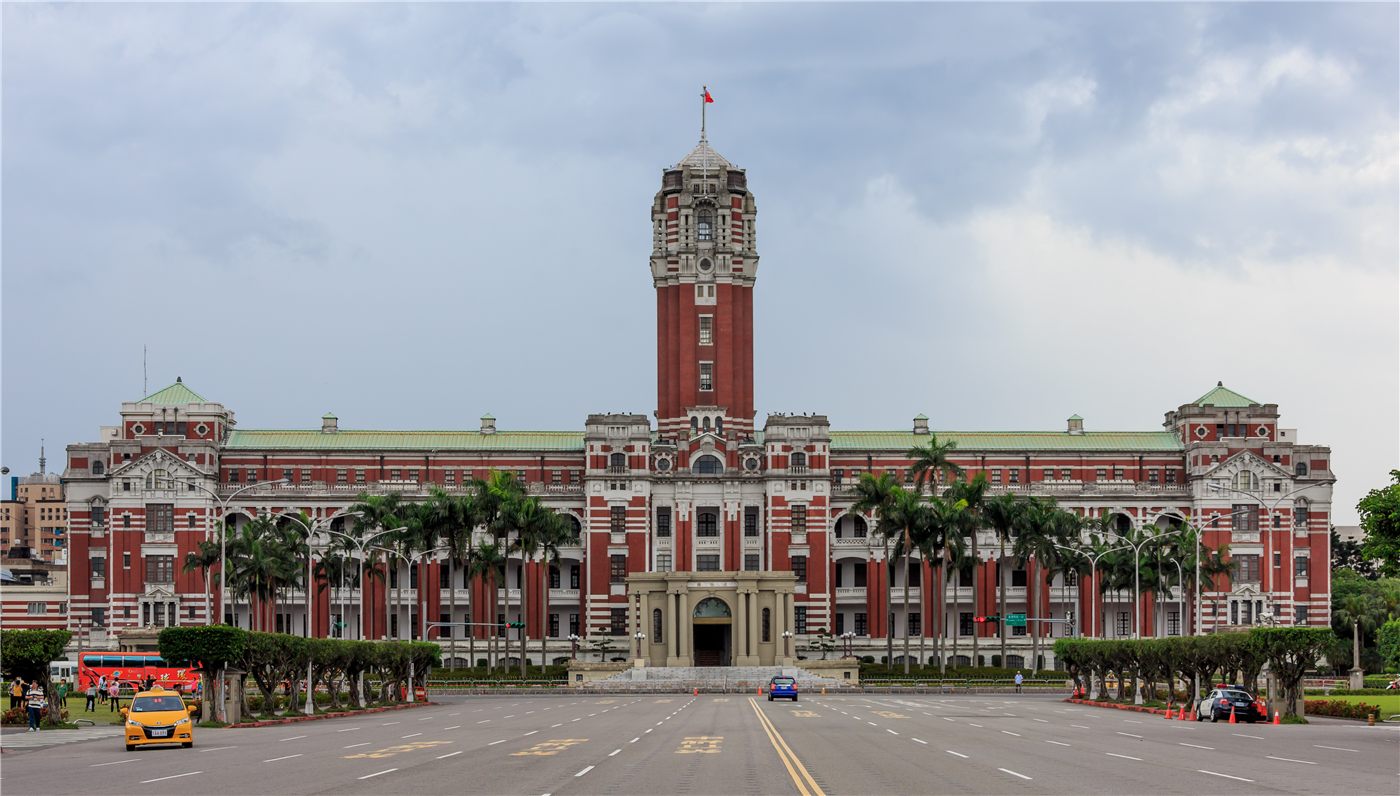
사진=Wikimedia Commons (자유 라이선스) · 기사 주제 관련 이미지

양안(兩岸) 정치 협상에 대한 대만 사회의 지지가 약 10년 만에 가장 낮은 수준으로 떨어졌다고 타이베이 타임스(Taipei Times)가 16일 한 여론조사를 인용해 보도했다.

광고 문의 · 300×250

조사에 따르면 양안 정치 협상에 찬성한다는 응답은 2026년 61.6%로, 2018년의 78%에서 큰 폭으로 하락했다. 이는 같은 조사 시리즈 가운데 가장 낮은 수치다. 협상에 반대한다는 응답은 22.2%였다.

협상 시점에 대해서는 '가능한 한 빨리 해야 한다'가 31.5%, '가능한 한 미뤄야 한다'가 29.4%로 팽팽하게 갈렸다. '상황에 따라 결정해야 한다'는 18.4%였다. 명확한 입장을 밝히지 않은 비율은 16.3%로 역대 최고를 기록했다.

베이징이 협상의 전제로 제시하는 '하나의 중국 원칙'에 대해서는, 받아들일 수 없다는 응답이 58.0%로 과거 조사의 72.4~76.9%에서 낮아졌다. 받아들일 수 있다는 응답은 25.8%로, 과거 17~19.1%에서 올랐다.

조사를 분석한 측은 양안 정치 대화에 대한 망설임이 커지는 동시에, 다수 응답자가 여전히 '현상유지'를 선호한다는 점에 주목했다. 찬성과 반대 어느 한쪽으로 쏠리기보다, 입장을 분명히 하지 않는 응답이 늘어난 점이 이번 조사의 특징으로 꼽힌다.

관측통들은 이런 흐름이 대만 내부의 정치 지형, 양안 관계의 불확실성, 그리고 국제 정세 변화와 맞물려 있다고 본다. 다만 이는 특정 시점의 여론을 담은 한 차례 조사 결과이며, 사안에 따라 응답이 달라질 수 있다는 점도 함께 지적된다.

民調:兩岸對話支持度降至 62% 偏好「維持現狀」明顯

支持兩岸政治協商者由 2018 年的 78% 降至今年的 61.6%,創該調查系列新低;未表態者亦升至歷來最高。多數受訪者仍選擇「維持現狀」。
本報記者 錢錦汶 · 2026.06.16
대만
圖=Wikimedia Commons(自由授權)· 與報導主題相關

據《臺北時報》(Taipei Times)16 日引述一項民調報導,臺灣社會對兩岸政治協商的支持度,降至近十年來最低水準。

광고 문의 · 300×250

調查顯示,支持兩岸政治協商者於 2026 年為 61.6%,較 2018 年的 78% 明顯下滑,為該調查系列中的最低值;表示反對者為 22.2%。

關於協商時機,認為「應盡快進行」者占 31.5%,認為「應盡量延後」者占 29.4%,兩者勢均力敵;認為「應視情況而定」者為 18.4%。未明確表態者比例達 16.3%,創歷來最高。

至於北京將「一個中國原則」作為協商前提一事,表示無法接受者為 58.0%,低於過去調查的 72.4% 至 76.9%;表示可以接受者為 25.8%,較過去的 17% 至 19.1% 上升。

分析者注意到,受訪者對兩岸政治對話的遲疑升高,同時多數人仍偏好「維持現狀」。相較於倒向贊成或反對任一方,未明確表態的比例上升,是本次調查的一項特徵。

觀察人士認為,此一趨勢與臺灣內部政治版圖、兩岸關係的不確定性,以及國際局勢變化相互交織。惟此乃特定時點的單次調查結果,回答可能隨議題而異,亦須一併留意。

民调:两岸对话支持度降至 62% 偏好「维持现状」明显

支持两岸政治协商者由 2018 年的 78% 降至今年的 61.6%,创该调查系列新低;未表态者亦升至历来最高。多数受访者仍选择「维持现状」。
本报记者 钱锦汶 · 2026.06.16
대만
图=Wikimedia Commons(自由授权)· 与报导主题相关

据《台北时报》(Taipei Times)16 日引述一项民调报导,台湾社会对两岸政治协商的支持度,降至近十年来最低水准。

광고 문의 · 300×250

调查显示,支持两岸政治协商者于 2026 年为 61.6%,较 2018 年的 78% 明显下滑,为该调查系列中的最低值;表示反对者为 22.2%。

关于协商时机,认为「应尽快进行」者占 31.5%,认为「应尽量延后」者占 29.4%,两者势均力敌;认为「应视情况而定」者为 18.4%。未明确表态者比例达 16.3%,创历来最高。

至于北京将「一个中国原则」作为协商前提一事,表示无法接受者为 58.0%,低于过去调查的 72.4% 至 76.9%;表示可以接受者为 25.8%,较过去的 17% 至 19.1% 上升。

分析者注意到,受访者对两岸政治对话的迟疑升高,同时多数人仍偏好「维持现状」。相较于倒向赞成或反对任一方,未明确表态的比例上升,是本次调查的一项特征。

观察人士认为,此一趋势与台湾内部政治版图、两岸关系的不确定性,以及国际局势变化相互交织。惟此乃特定时点的单次调查结果,回答可能随议题而异,亦须一并留意。

Poll: support for cross-strait talks falls to 62%, with 'status quo' clearly favored

Support for cross-strait political negotiations fell to 61.6 percent this year from 78 percent in 2018, a record low for the survey series, while those who declined to state a position rose to a record high. A majority still favored maintaining the 'status quo.'
By Jeon Geum-mun · 2026.06.16
대만
Photo: Wikimedia Commons (free license), related to the topic

Taiwanese support for cross-strait political negotiations has fallen to its lowest level in nearly a decade, the Taipei Times reported on June 16, citing a poll.

광고 문의 · 300×250

According to the survey, support for cross-strait political negotiations stood at 61.6 percent in 2026, down sharply from 78 percent in 2018 and the lowest figure in the survey series. Those who disapproved came to 22.2 percent.

On the timing of negotiations, 31.5 percent said talks should be held as soon as possible, while 29.4 percent said they should be delayed as much as possible, leaving the two camps closely matched. Another 18.4 percent said it would depend on the situation. The share giving no clear position rose to 16.3 percent, a record high.

On Beijing's 'one China principle' as a precondition for talks, 58.0 percent said they could not accept it, down from 72.4 to 76.9 percent in previous surveys, while 25.8 percent said they could, up from a range of 17 to 19.1 percent before.

Those who analyzed the poll noted growing hesitation about cross-strait political dialogue alongside a continued preference among most respondents for the 'status quo.' Rather than tilting decisively toward approval or disapproval, a rising share of respondents declining to take a clear stance stood out as a feature of this survey.

Observers say the trend is intertwined with Taiwan's internal political landscape, the uncertainty of cross-strait relations and shifts in the international environment. Still, this is the result of a single poll capturing opinion at one point in time, and responses may vary by issue.

출처·참고 (사실 확인용 — 본문은 직접 재작성)
· 聯合報 (udn.com)
· Taipei Times
광고 문의 · 970×90