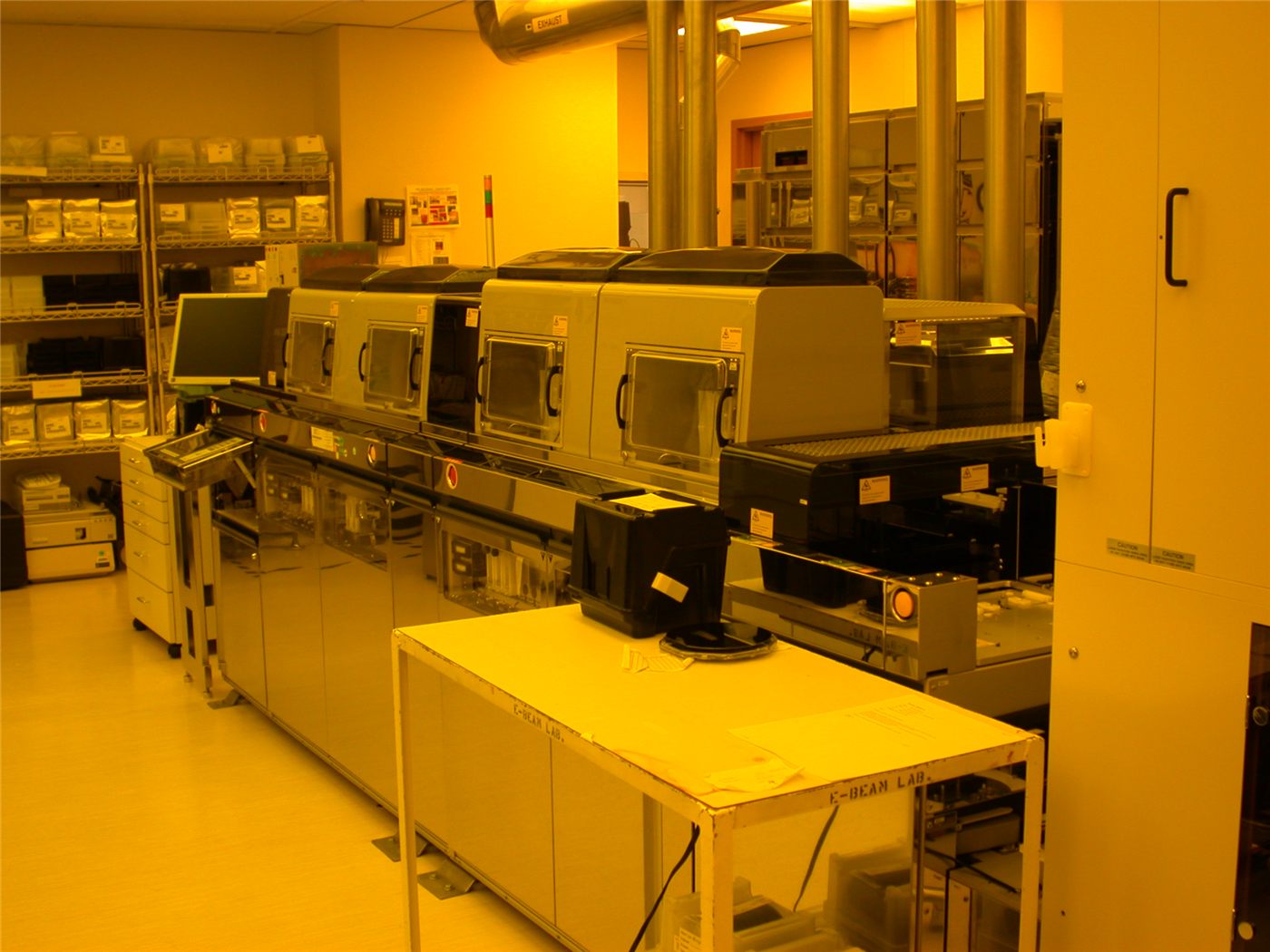
Per Huanqiu and others, Chinese researchers have for the first time independently mass-produced silicon-28 with an abundance above 99.99%. Dubbed 'the purest silicon in the world,' it is key to cutting noise in silicon-based quantum chips and has wide uses in advanced semiconductors, precision metrology and navigation.
On June 15, China's scientific community announced a key advance in stable-isotope enrichment and ultra-high-purity silicon, Huanqiu reported. The core: the first independent mass production of silicon-28 (Si-28) with an abundance—proportional presence—exceeding 99.99%.
광고 문의 · 300×250Silicon-28 is one of silicon's stable isotopes, with a nuclear spin of zero. The absence of spin sharply reduces environmental noise that disturbs quantum states, making it indispensable for silicon-based quantum computing—why some researchers call it 'the purest silicon in the world.'
The product was developed and produced by an institute under China National Nuclear Corporation, with key indicators said to reach internationally advanced levels, the report said. Isotope separation and enrichment are highly demanding, so securing a self-reliant supply chain carries strategic weight in itself.
Why 'purity' is decisive for quantum chips
The qubit, a quantum computer's basic unit, is extremely sensitive to outside disturbance. Ordinary silicon contains about 4.7% silicon-29, which carries nuclear spin that acts as a noise source scrambling qubit information. Concentrating silicon-28 alone reduces that noise, letting qubits hold information longer and more stably.
Silicon-based quantum approaches have the advantage of being compatible with existing semiconductor lithography infrastructure. Cited alongside superconducting and other routes as a leading path, a stable supply of high-purity silicon-28 firms up that path's foundation.
Uses widening into semiconductors, metrology and navigation
Applications of ultra-pure silicon-28 reach beyond quantum computing. Huanqiu said the prospects are broad across advanced-node semiconductors, high-precision navigation and metrological standards, since silicon with fewer crystal defects and impurities is a base material for raising chip performance and reliability.
In metrology especially, high-purity silicon is a key material used to define standards for base units such as mass and length, drawing long-standing international attention. Domestic production capacity reduces external dependence and improves research continuity.
The result was announced as a medium-to-long-term plan for China's nuclear-technology application industry reaches its concluding year—one facet of an effort to grow the stable-isotope sector into a self-reliant, efficient structure.
Still, gains in experimental and pilot production do not translate immediately into large-scale commercialization. Hurdles of yield, cost and back-end process stability remain, leaving production scale and quality control as the next challenge.
A third perspective
Sinophone Bridge Times sets the approaches of different countries side by side on this 'quantum and semiconductor materials' theme. The U.S., Europe and Japan also treat quantum computing and high-purity materials as strategic, with cooperation and competition advancing together around international standards and supply chains. Rather than declaring a winner, we present the technical facts and their limits so readers can gauge the trend for themselves.