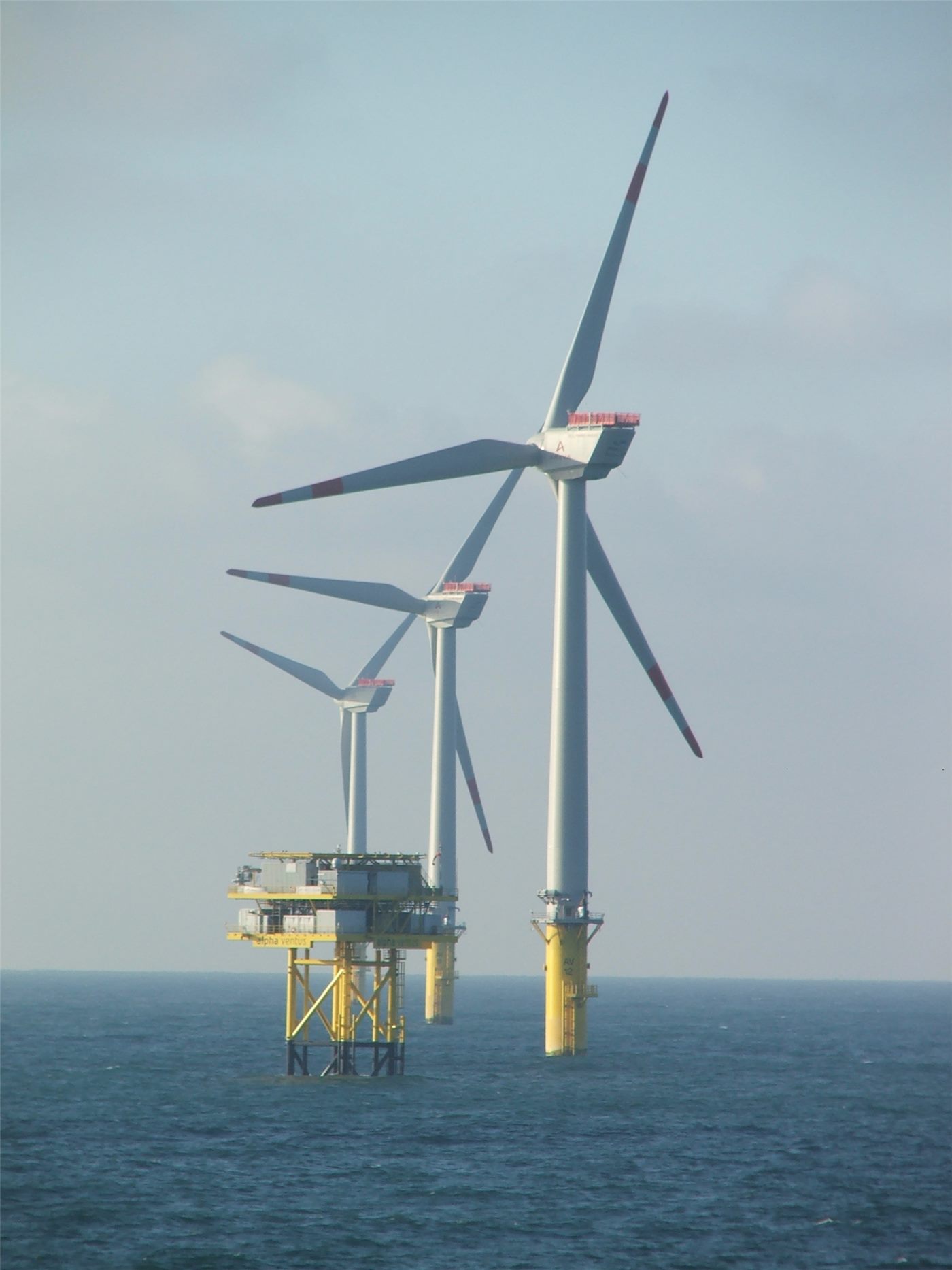
Per Economy Ministry data on June 14, Taiwan's offshore wind farms completed their 500th turbine on the 12th, for 4.8GW of installed capacity. Annual new additions ranked third worldwide in 2025 and cumulative capacity fifth — a milestone in an energy transition that ties together industry, jobs and grid stability.
Taiwan's Ministry of Economic Affairs said on June 14 that the island's offshore wind farms completed their 500th turbine on June 12, bringing installed capacity to 4.8 gigawatts (GW).
광고 문의 · 300×250Citing the Global Wind Energy Council's latest 2026 report, the ministry said Taiwan ranked third worldwide for new offshore wind added in 2025 and fifth for cumulative installed capacity — among the leaders in Asia.
Why offshore wind
Taiwan, heavily reliant on energy imports, has steadily raised its share of renewables. The Taiwan Strait's strong winds make it a prime offshore-wind site, and the government has expanded farms via phased auctions and localization rules.
Yet grid reinforcement, fishery-rights coordination and supply-chain costs remain challenges. Erecting a single turbine at sea spans a long chain from parts manufacturing to marine construction and grid connection.
Into industry and jobs
Expansion goes beyond power generation, nurturing an ecosystem of components, construction and maintenance. Taiwan has pushed local production of turbine parts and offshore foundations, directly tied to jobs in those fields.
It also matters for power supply. With chipmaking and other power-hungry industries needing stable electricity, a larger renewable share is one strand of diversifying sources. Outlets including United Daily News framed the 500th turbine as a symbolic milestone in the energy transition.
A third perspective
We do not cast offshore wind solely as a green triumph or a cost burden. An energy transition weaves together environment, industry, grid stability and local communities. Rather than urge one reading, we set out the figures and the debates so readers can judge for themselves.