On his Europe tour, President Lee Jae-myung marked the 26th anniversary of the inter-Korean June 15 declaration at the Holy See, reaffirming his commitment to peninsular peace. He again stressed Seoul does not seek absorption, citing a year of de-escalation steps.
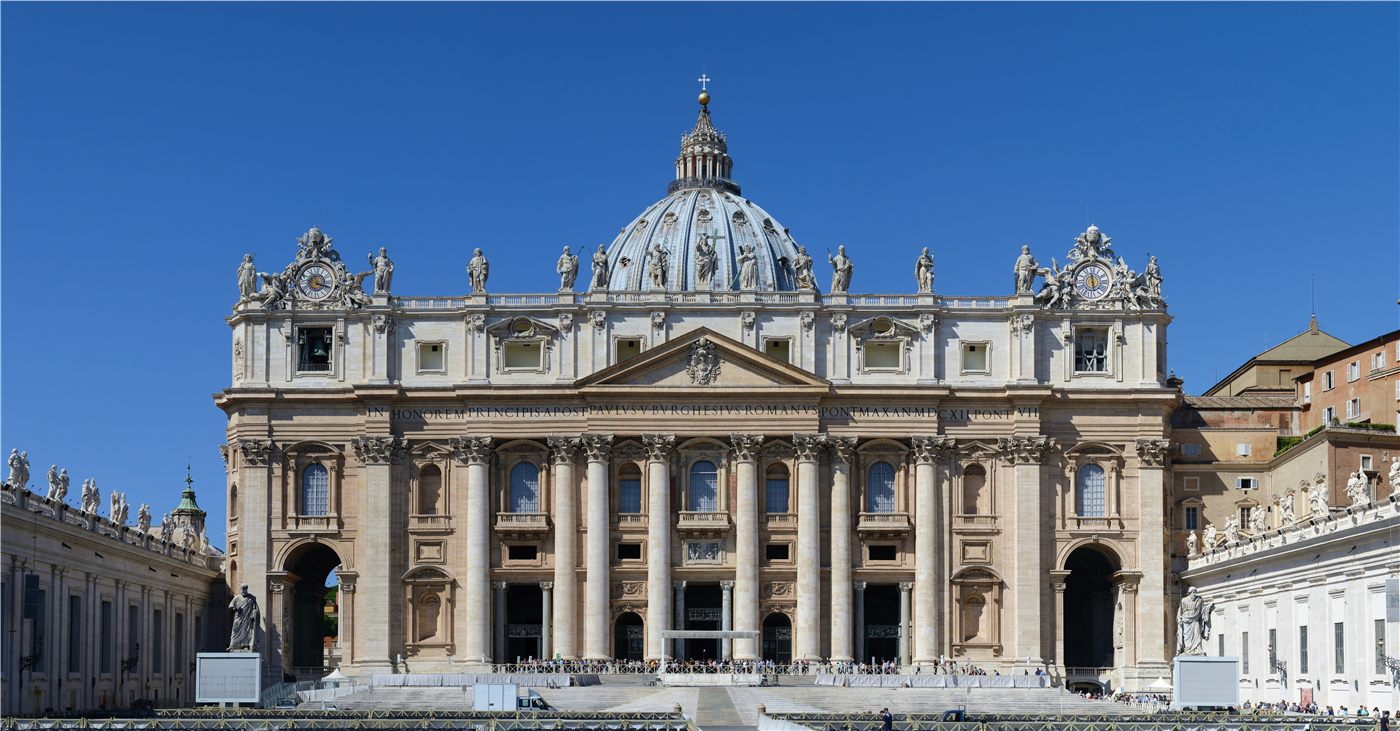
President Lee Jae-myung used a commemorative address at a 'Special Mass for Peace and Solidarity' in St. Paul's Basilica in the Vatican on June 14 local time to restate his resolve to restore peace on the peninsula, the Hankook Ilbo reported. Of the June 15 declaration 26 years ago, when the two Koreas' leaders sat across from each other for the first time since division, he called it 'a historic turning point that signaled to the world the possibility of dialogue and cooperation beyond long hostility.'
광고 문의 · 300×250What he pledged
The president said he is 'convinced the embers of that hope still glow,' promising to do everything possible for peace. He noted that since taking office his government has taken pre-emptive de-escalation steps such as halting leaflet drops and loudspeaker broadcasts toward the North, and has made clear it does not pursue absorption or one-sided systemic competition, vowing to keep working to prevent accidental clashes and rebuild military trust.
The mass was celebrated by Cardinal Lazarus You Heung-sik, the first Korean named prefect of the Vatican's Dicastery for the Clergy. Delivering a message toward Pyongyang in so religious a setting was read as peace diplomacy aimed at the global stage rather than the domestic calendar.
A message timed to the tour
The address was one stretch of a 10-day European trip. The presidential office said Lee will pass through Belgium, the EU, Italy and the Holy See before attending the G7 summit in France as an invited guest. Placing the June 15 remarks midway through the tour was seen as an attempt to link the peace agenda to summit diplomacy in Europe.
Yet the actual momentum in inter-Korean ties remains limited. With no clear response from the North, questions linger over how far unilateral de-escalation can go, and how Seoul will manage conservative pushback at home over renouncing absorption.
How Korea's Chinese community sees it
The peninsula's security climate is not divorced from the daily lives of Chinese families and students settled in Korea. Easing tension along the border can open room for tourism, logistics and people-to-people exchange; conversely, military uncertainty weighs on foreign residents' sense of safety and financial plans. Whether the peace tone moves beyond words into real change bears watching.
A third perspective
Sinophone Bridge Times reads the June 15 message across three layers: Korea's internal politics, the North's reaction, and the watching international community. The language of peace declarations sounds alike everywhere, but its weight differs with where one stands. We lean on neither side's hopes nor the other's doubts, setting facts side by side so our Chinese readers in Korea can judge for themselves.