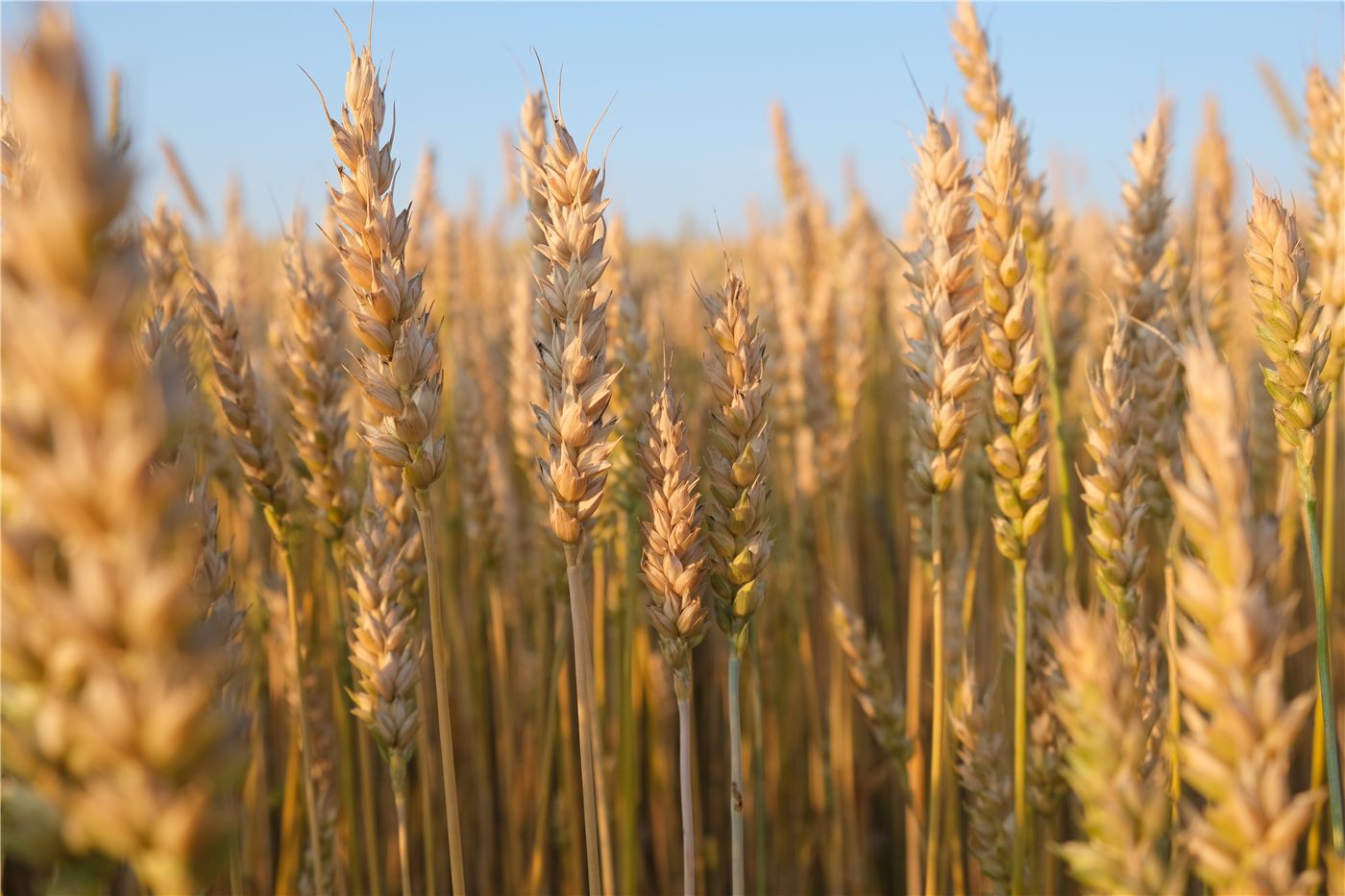
Per People's Daily, the nationwide 'Three Summers' wheat harvest entered its final stage in mid-June. Combines moved south to north in relay, and even rainy southern regions cut losses with crawler harvesters and mobile dryers. Stable grain supply is a livelihood issue tied directly to prices.
People's Daily reported that as of June 12, the country had harvested about 278 million mu (roughly 18.53 million hectares) of summer wheat, a progress rate above 82%. Jiangsu was essentially finished, Shandong near 80%, with Hebei and Shaanxi past the halfway mark.
광고 문의 · 300×250In the granary province of Henan, large-scale mechanized harvesting wrapped up in just 13 days. Local tallies showed over 60 million mu cut across six consecutive days, with single-day totals exceeding 10 million mu.
Racing the rain, filled in by machines
This year's biggest variable was rainfall. More than a dozen prefectures in the central-southern border areas of Jiangsu and Anhui saw harvest time coincide with the rainy season. Anhui mobilized over 790 emergency machinery teams and more than 33,000 crawler harvesters, drawing in outside machines under a 'machines south' plan to reap over 8 million mu in a single day.
Nationwide, combines working across regions were estimated at over 200,000. Paired with mobile dryers, the goal was to leave 'not a single grain behind,' People's Daily said.
Food security and the Chinese table
Summer wheat is the base ingredient for noodles, dumplings and other staples of Chinese cuisine. A stable harvest means steadier prices for flour and cooking oil—an indirect factor even for Chinese-run eateries and food importers in Korea.
Chinese authorities treat 'grain security' as a core national strategy, reviewing harvest progress and loss reduction each year. Despite the weather, the mechanized, organized harvest system functioned as planned.
A third perspective
Sinophone Bridge Times sets the same 'grain' theme against each country's conditions. Korea's low cereal self-sufficiency leaves it import-dependent; Europe treats climate-driven yield swings as policy. Rather than holding up one model, we lay facts side by side so readers can weigh the question themselves.